Current Fuel Prices in India
As of March 12, 2026, the fuel prices in India have been a focal point for both consumers and policymakers. In Delhi, the price of petrol stands at ₹94.77 per litre, while diesel is priced at ₹87.67 per litre. These prices have remained stable for more than six months, largely due to government policies and the cost absorption strategies employed by Oil Marketing Companies (OMCs).
Impact of LPG Price Increase
On March 7, 2026, the price of domestic liquefied petroleum gas (LPG) saw an increase of ₹60, bringing the cost to ₹913.00 for a 14.2 kg cylinder. The commercial LPG price has also risen, now standing at ₹1,884.50 for a 19 kg cylinder. This increase in LPG prices could have significant implications for households and businesses, as LPG is a primary source of cooking fuel for many in urban areas.
CNG Pricing and Its Relevance
Compressed natural gas (CNG) is another important fuel type in India, especially for public transportation and private vehicles. The current price of CNG in Delhi is ₹77.09 per kg. The pricing of CNG is crucial as it directly affects the operational costs of public transport systems, which are vital for reducing urban congestion and improving air quality.
Gold Prices and Economic Context
In addition to fuel prices, the gold market also reflects economic trends. As of March 2026, the price of 24K gold in Delhi is ₹16,237 per gram, while 22K gold is priced at ₹14,885 per gram. The fluctuations in gold prices often correlate with economic stability and consumer confidence, which can be influenced by the prevailing fuel prices.
Air Quality Concerns
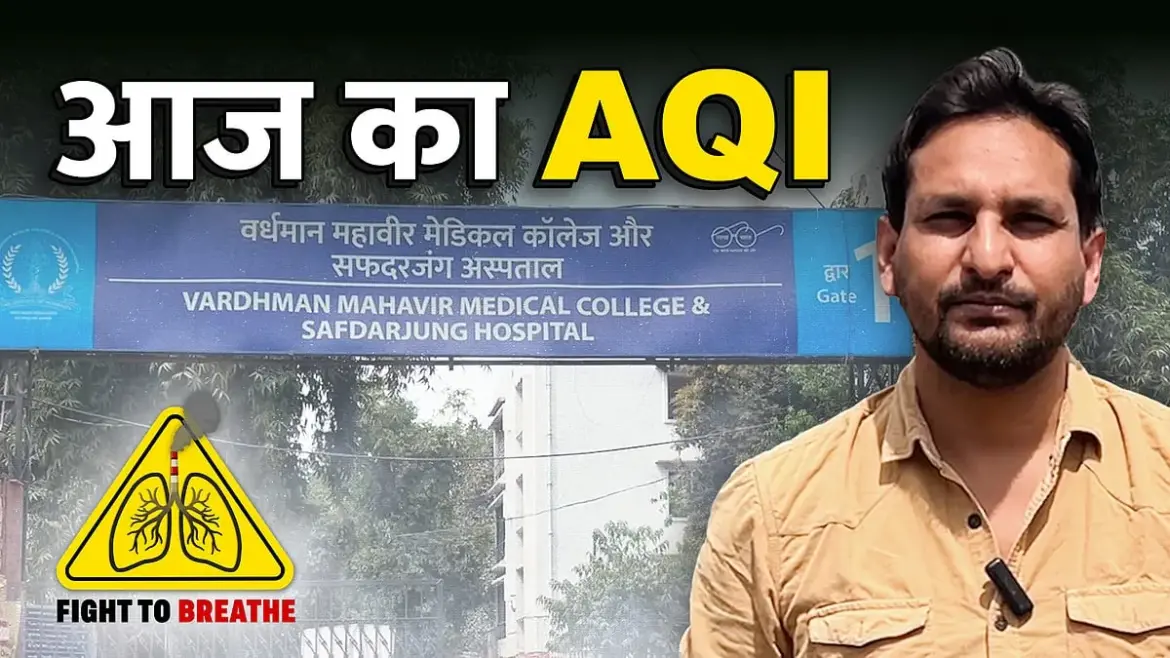
The stability of fuel prices, particularly petrol and diesel, is significant in the context of air quality in India. High fuel prices can lead to reduced consumption, which may help in lowering emissions from vehicles. However, the recent increase in LPG prices could lead to a shift back to more polluting fuels for cooking, potentially exacerbating air quality issues in urban areas.
Current State and Future Implications
As it stands, the fuel pricing landscape in India is characterized by stability in petrol and diesel prices, while LPG prices have seen a recent increase. The implications of these trends are multifaceted, impacting not only household budgets but also broader economic conditions and environmental concerns. The government’s approach in managing these prices will be critical in addressing both economic and air quality challenges.
Overall, the current state of fuel prices and air quality in India is a reflection of ongoing economic policies and consumer behavior. The stability in petrol and diesel prices offers some relief, but the recent rise in LPG prices poses new challenges. As the situation evolves, stakeholders will need to monitor these trends closely to understand their implications for both the economy and public health.