What observers say
“Iran wants to make a deal so badly,” stated former President Donald Trump, highlighting the complex dynamics at play in the ongoing conflict that erupted on February 28, 2026. This statement underscores the desperation of both sides as they navigate a war that has already altered the strategic equilibrium of West Asia.
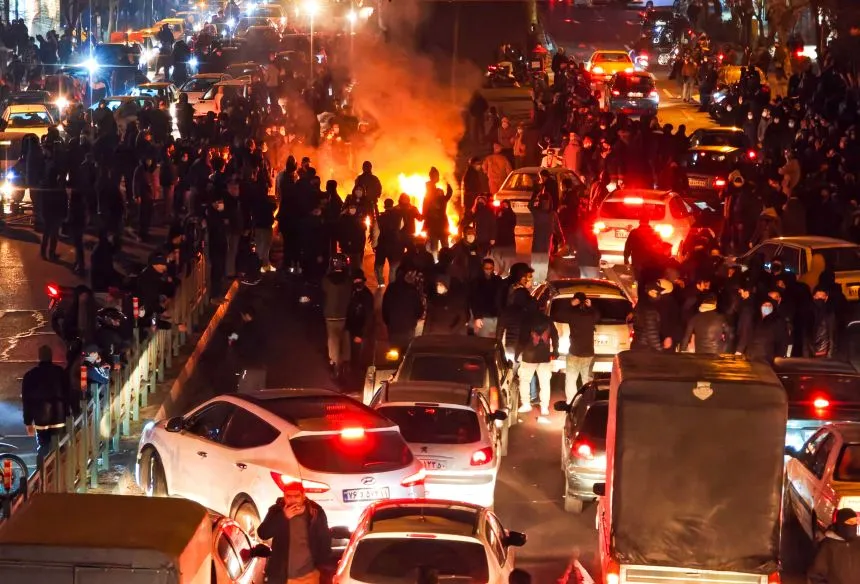
The assassination of Ali Khamenei, a pivotal moment in the conflict, was executed as part of a broader strategy aimed at decapitating the Iranian regime’s command structure. Following this event, Mojtaba Khamenei ascended to the position of Supreme Leader, further complicating the political landscape within Iran. The new leadership has not softened its stance; Iran has conducted ballistic missile and drone strikes targeting Israeli cities and U.S. bases in the Gulf, demonstrating its capacity to retaliate despite the overwhelming military superiority of its adversaries.
The conflict has also catalyzed unprecedented operational coordination among Gulf monarchies, the United States, and Israel. This coalition has been bolstered by the deployment of tens of thousands of additional U.S. troops and multiple carrier strike groups to the region, reflecting a commitment to counter Iranian aggression. Oil prices have surged past $120 per barrel, a direct consequence of the instability in the region, particularly given that the Strait of Hormuz carries about 25 percent of the world’s oil.
Despite the mounting pressure, Iran has firmly rejected U.S. terms for negotiations, demanding reparations and sovereignty guarantees over the crucial Strait of Hormuz. The Iranian regime’s nuclear ambitions remain a significant concern, with reports indicating a stockpile of uranium enriched to near-weapons-grade levels. This has raised alarms not only in Washington and Tel Aviv but also among regional players who fear a nuclear-armed Iran.
As the conflict drags on, it risks devolving into a protracted war of attrition, with neither side willing to abandon the fight. Israeli Prime Minister Benjamin Netanyahu has made it clear that, “We will continue to strike Iran and safeguard our vital interests under all circumstances.” This resolve suggests that the conflict may escalate further, with both sides preparing for a long-term engagement.
On the Iranian side, officials have stated, “No negotiations have been held with the United States,” indicating a rigid stance that complicates any potential diplomatic resolution. Furthermore, an unnamed Iranian source asserted, “Iran will not allow Trump to end the war on its own timeline,” suggesting a determination to resist external pressures.
Details remain unconfirmed regarding the effectiveness of the U.S. military strategy in achieving its goals, and uncertainties linger about Tehran’s willingness to negotiate or whether Israel would agree to a ceasefire. The long-term implications of this conflict on regional stability remain unclear, with observers closely monitoring the evolving situation.
As the war continues to unfold, the international community watches with bated breath, aware that the outcomes of the 2026 Iran War could reshape the geopolitical landscape of West Asia for years to come.