Introduction
Statins are among the most commonly prescribed medications for lowering cholesterol and reducing the risk of heart disease. With millions of people worldwide on statin therapy, understanding the potential side effects has become increasingly important. This article will delve into the common and rare side effects associated with statins, providing crucial insights for patients and healthcare professionals alike.
Common Side Effects
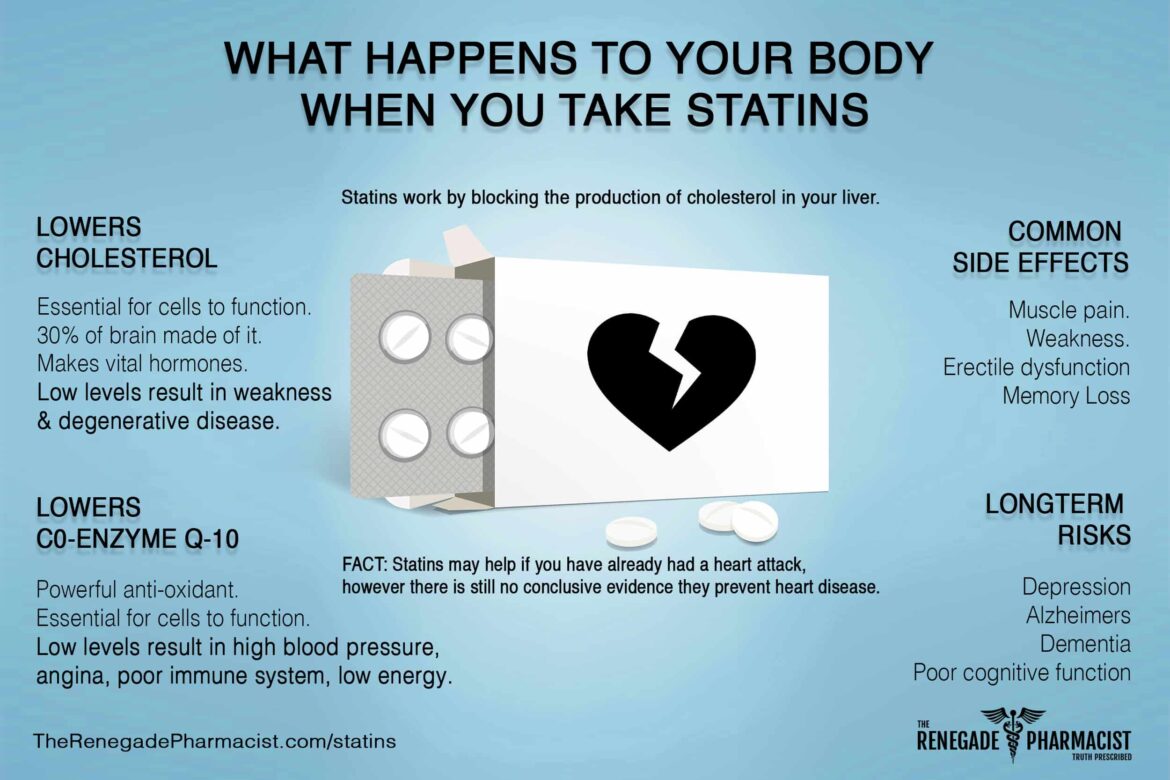
While statins are generally well-tolerated, they can lead to some common side effects. According to the American College of Cardiology, around 10% to 20% of patients reported muscle pain, cramps, or weakness after starting statins. These symptoms can range from mild discomfort to severe pain, leading some individuals to discontinue their use of these medications. Other prevalent side effects include digestive problems such as nausea, diarrhea, and constipation, as well as increased liver enzymes, which can indicate potential liver issues.
Rare and Serious Side Effects
Besides the common side effects, there are rare but more serious adverse effects that patients should be aware of. One concern is the risk of developing type 2 diabetes. Several studies have indicated that statin therapy may increase this risk, though the benefits of statins in preventing cardiovascular events generally outweigh this concern for high-risk individuals. Additionally, some patients may experience a severe muscle condition known as rhabdomyolysis, which can lead to kidney damage. This rare side effect strengthens the need for proper monitoring during and after treatment.
Guidance for Patients
Doctors typically recommend routine liver function tests before and during statin therapy to monitor for potential adverse effects. It’s vital for patients to communicate any unusual symptoms they experience after starting a statin. For individuals who cannot tolerate statins due to side effects, there are alternative medications available, such as ezetimibe or PCSK9 inhibitors, that can also effectively manage cholesterol levels.
Conclusion
While statins play a crucial role in managing cholesterol and reducing heart-related risks, awareness of their side effects is essential for safe and effective treatment. Patients should engage in open conversations with their healthcare providers regarding any concerns and report any side effects experienced. Ongoing research will continue to evaluate the balance of benefits and risks associated with statin use, providing potentially innovative treatment pathways for those at risk of cardiovascular diseases.