Introduction
Sudden Stratospheric Warming (SSW) is a significant meteorological phenomenon that has garnered increasing attention due to its profound impacts on weather patterns across the Northern Hemisphere. As climate change intensifies the volatility of weather systems, understanding SSW becomes crucial for predicting extreme weather events, particularly in regions like the UK. This article explores the causes, effects, and potential implications of SSW for the coming winter months.
What is Sudden Stratospheric Warming?
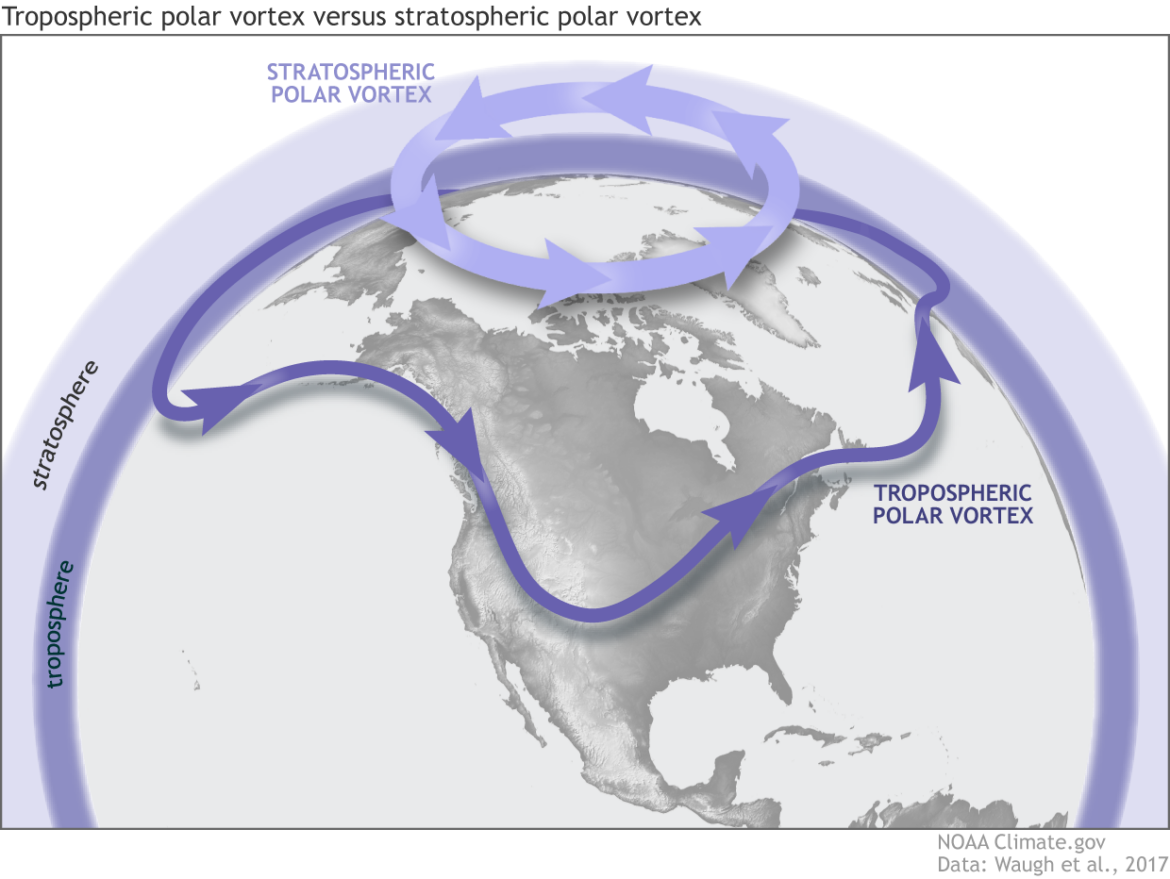
SSW occurs when a rapid rise in temperatures in the stratosphere—an atmospheric layer located about 10 to 50 kilometres above the Earth’s surface—disrupts the polar vortex. This event can result in significant changes to weather patterns down at ground level. The polar vortex, a large area of low pressure and cold air surrounding the poles, typically remains stable. However, an SSW event can cause it to weaken, shift, or become displaced, leading to extreme weather incidents.
Recent Events of Sudden Stratospheric Warming
In January 2023, meteorologists observed a notable SSW event linked to severe winter weather across Europe. Following this occurrence, the UK experienced unusually cold temperatures and heavy snowfall. The Met Office reported that this was one of the coldest months recorded in a decade, with the effects of SSW clearly visible in both temperature dips and precipitation patterns.
Moreover, research suggests that climate change may exacerbate the frequency and intensity of SSW events. Studies indicate that as the Arctic warms, it could disrupt the patterns of the polar vortex more frequently, leading to harsher winters in northern regions.
Implications for the UK and Beyond
Understanding SSW is increasingly relevant to global weather forecasting. The disruption caused by these warming events can lead to prolonged cold spells across Europe and North America, potentially affecting agriculture, energy consumption, and disaster preparedness strategies. It also poses challenges for climate models that aim to predict seasonal weather forecasts, underpinning the importance of ongoing research in this field.
Conclusion
As we move into the winter months of 2023, the implications of Sudden Stratospheric Warming will be crucial for anticipating weather patterns and preparing for extreme weather scenarios. With increasing evidence linking SSW to climate change, it becomes essential for both meteorologists and the public to pay closer attention to these phenomena. Continued monitoring and research could help mitigate some of the adverse effects of these events, ultimately contributing to better preparedness for future winters.