Introduction
The comparison of NEOM and Al-Riyadh has grown increasingly relevant as Saudi Arabia propels its vision of a diversified economy beyond oil. NEOM, a $500 billion megacity project, represents the kingdom’s aspirations to innovate and attract global investments. In contrast, Al-Riyadh, the capital, plays a vital role in the nation’s administrative and cultural framework. Understanding these two cities is essential for grasping Saudi Arabia’s future growth and development strategies.
Overview of NEOM
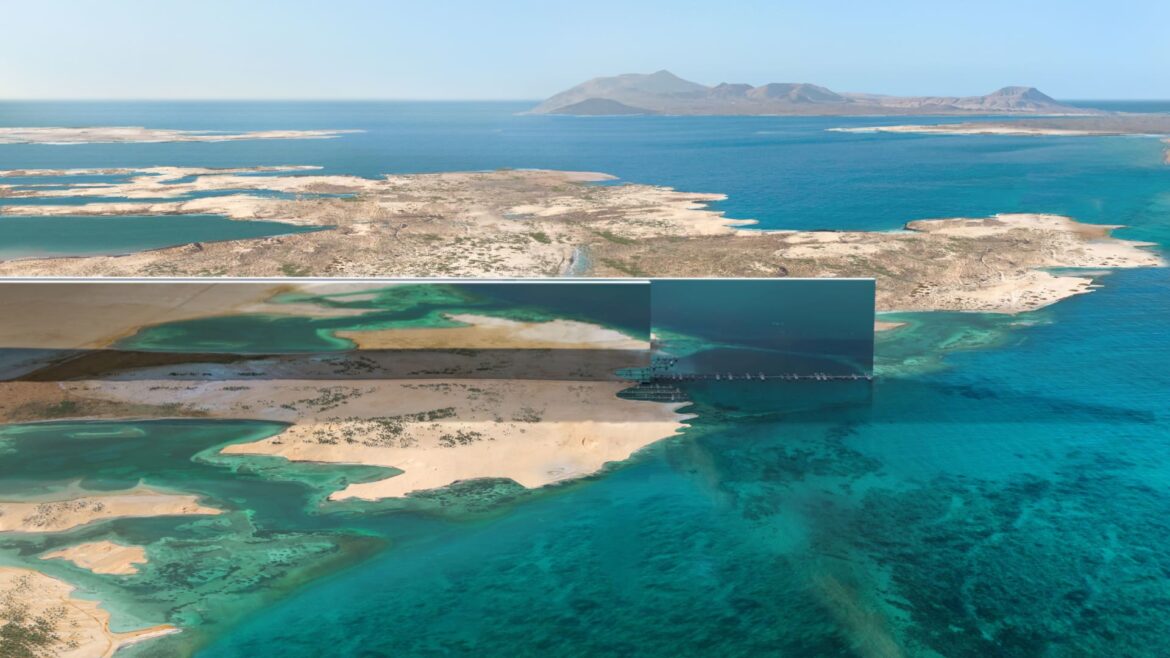
NEOM is designed to be a futuristic city that embodies cutting-edge technology and sustainability. Launched in January 2019 by Crown Prince Mohammed bin Salman, the project is expected to span over 10,230 square miles and aims to incorporate smart cities, sustainable living, and technological advancement at its core.
NEOM will feature various regions and sectors, including energy, mobility, and biotechnology, fostering an innovation-friendly environment. The city is also envisioned to be powered entirely by renewable energy, aiming to draw research, investments, and talent from around the world.
Al-Riyadh: The Existing Capital
Al-Riyadh, established as the capital of Saudi Arabia in the 1900s, is a city steeped in rich history and vibrant culture. It serves as a central hub for government, business, and education. As the largest city in Saudi Arabia, Al-Riyadh is also undergoing substantial development, including the Riyadh Metro project, slated to revolutionise public transport in the city.
Additionally, various initiatives aim to improve the quality of life for residents and to enhance tourism, aligning with Saudi Arabia’s 2030 Vision which promotes economic diversification and cultural exchange.
NEOM vs Al-Riyadh: Key Differences
While NEOM is in its developmental stage, aiming to create a new paradigm in urban living, Al-Riyadh is focused on modernising and enhancing its existing infrastructure. NEOM’s cutting-edge technological framework sets it apart from Al-Riyadh’s established nature, which still offers a wealth of historic attractions and cultural sites.
Furthermore, NEOM targets international investments and talent to fuel its growth, while Al-Riyadh’s focus remains on strengthening national initiatives and enhancing local resources.
Conclusion
The juxtaposition of NEOM and Al-Riyadh highlights the future aspirations and current realities of Saudi Arabia’s urban environments. As NEOM aims to redefine what a city can be through advanced technologies and sustainable practices, Al-Riyadh continues to evolve, reinforcing its position as the traditional heart of the kingdom.
Ultimately, these two cities reflect Saudi Arabia’s journey towards modernisation and economic diversification. As projects like NEOM gain traction, they may redefine urban living in the region, influencing not only local dynamics but global perceptions of Saudi Arabia.