Importance of the Tax Filing Deadline
The tax filing deadline is a crucial date for individuals and businesses, marking the final day to submit tax returns to HM Revenue and Customs (HMRC) for the previous tax year. Adhering to this deadline is essential to avoid penalties, interest charges, or delays in tax refunds. As the deadline approaches, understanding the key details and implications becomes increasingly relevant for taxpayers.
Key Dates and Changes for 2023
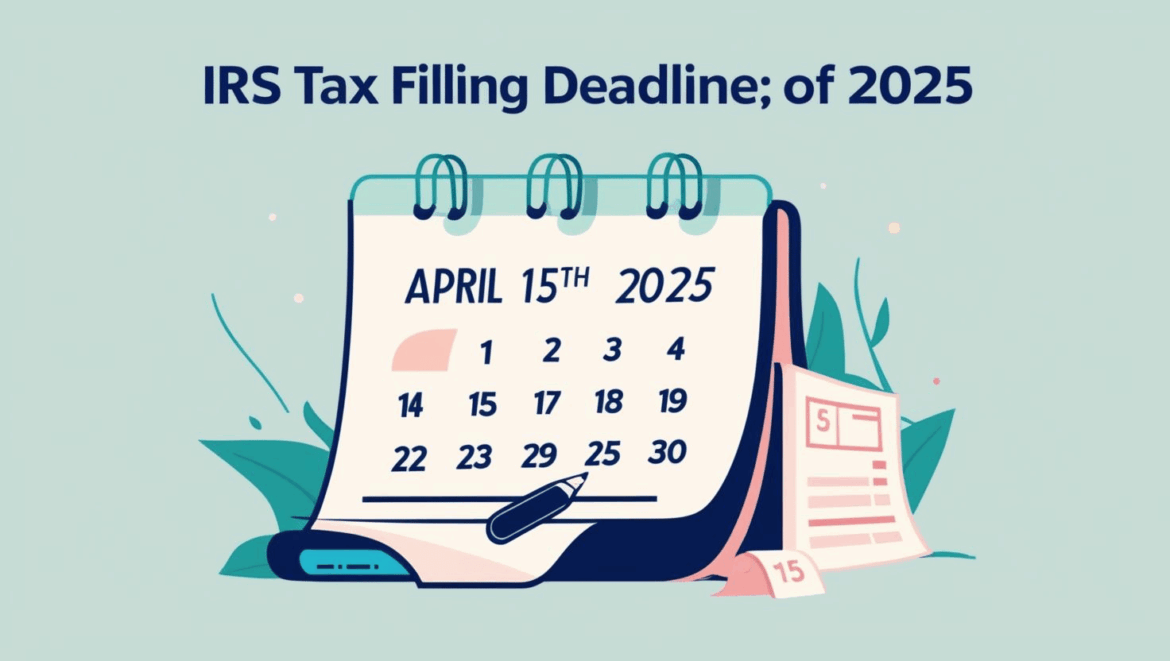
For the tax year ending on April 5, 2023, the official deadline for submitting your self-assessment tax return to HMRC is January 31, 2024. This date applies to individuals who submit their returns online. Those who file paper returns have a different deadline of October 31, 2023. It is vital for taxpayers to mark these dates on their calendars to ensure compliance.
This year, the government introduced changes aimed at simplifying the filing process. For example, the allowance for digital submission has been emphasised, making it easier for taxpayers to file from the comfort of their homes. Additionally, HMRC is promoting tools and resources on its website to help taxpayers understand their obligations and make the process smoother.
Consequences of Missing the Deadline
Failing to file by the tax deadline can result in automatic penalties. Initially, a £100 fine is applied for late submissions, which increases with time. Moreover, continuing delays can lead to further penalties of £10 for each additional day the return is late, up to a maximum of 90 days. Taxpayers may also face interest on any unpaid tax. It’s important to note that HMRC may be less sympathetic to late filers, especially since many resources have been allocated to assist in meeting deadlines.
Preparation Tips for Taxpayers
Preparation is key to meeting the tax deadline successfully. Here are a few tips:
- Organise Your Documents: Gather all relevant financial documents early, including P60s, P45s, and any other income records.
- Use HMRC Tools: Take advantage of the online resources provided by HMRC to ensure you understand the requirements and can easily navigate the filing process.
- Consider Professional Help: If your tax situation is complex, seeking advice from a tax professional may be worthwhile to ensure accuracy and compliance.
Conclusion
As the January 31, 2024, tax filing deadline approaches, taxpayers must stay informed and prepared to fulfil their obligations. Understanding the importance of timely submission and the penalties for lateness can save individuals and businesses from unnecessary financial strain. By taking proactive steps, taxpayers can navigate the tax landscape with confidence and ease.