Introduction
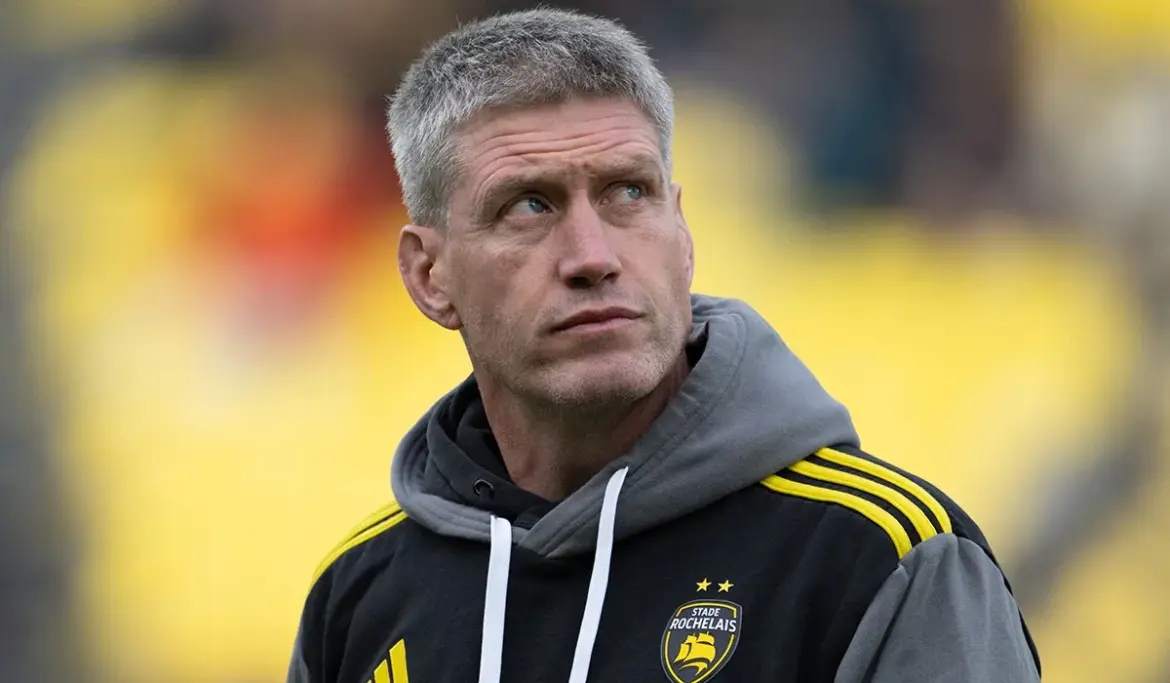
Ronan O’Gara, a name synonymous with rugby excellence, holds a prestigious place in the sport’s history. Renowned for his kicking prowess and tactical acumen, O’Gara’s contributions to rugby union extend beyond his playing days as he transitions into a successful coaching career. This article explores O’Gara’s legacy and the ongoing relevance of his work in shaping the next generation of rugby talent.
Rugby Career Highlights
Ronan O’Gara was born on April 7, 1977, in San Diego, California, but was raised in Cork, Ireland. He began his professional career with Munster Rugby in 1997 and quickly established himself as one of the leading fly-halves in the game. Over his illustrious career, O’Gara earned 128 caps for the Irish national team, ranking him among the top Irish players of all time. He played an instrumental role in Ireland’s Grand Slam victory in 2009 and helped Munster secure two Heineken Cup titles in 2006 and 2008.
O’Gara was known for his tactical kicking, ability to read the game, and his leadership on the field, making him a critical asset for both club and country.
Transition to Coaching
After retiring from professional rugby in 2013, O’Gara embarked on a coaching career that has seen him work at various levels. His first significant role came with the French Top 14 club Racing 92, where he joined as the backs coach. His strategic insights proved invaluable, and under his guidance, the team reached the finals of the Top 14 in 2016.
In 2020, O’Gara was appointed as the head coach of La Rochelle, a club that has enjoyed a resurgence since his arrival. Under his leadership, La Rochelle not only secured a place in the final of the 2021 European Champions Cup but also went on to win the prestigious trophy in 2022, marking a significant achievement in his coaching career.
Recent Developments and Future Prospects
As of October 2023, Ronan O’Gara continues to make headlines in the rugby world. His coaching philosophy, which emphasises player development and tactical innovation, has drawn praise throughout the sport. With discussions of him potentially taking on a more prominent role in international rugby coaching, the future looks bright for O’Gara.
Conclusion
Ronan O’Gara’s journey from a celebrated player to an influential coach epitomises the evolution of a sports career. His impact on rugby is not only measured by his achievements on the field but also by the legacy he is crafting in shaping the sport’s future. As O’Gara’s coaching career continues to flourish, rugby enthusiasts should keep an eye on his contributions and the potential dynamic changes he will inspire within the game.