Introduction
Macedonia is a region that holds significant historical and cultural importance in the Balkans. Its rich tapestry of heritage, stunning landscapes, and vibrant cities make it a compelling destination for travellers and historians alike. The current events surrounding this region, particularly regarding its political developments and cultural renaissance, draw attention to its relevance today.
The Historical Significance of Macedonia
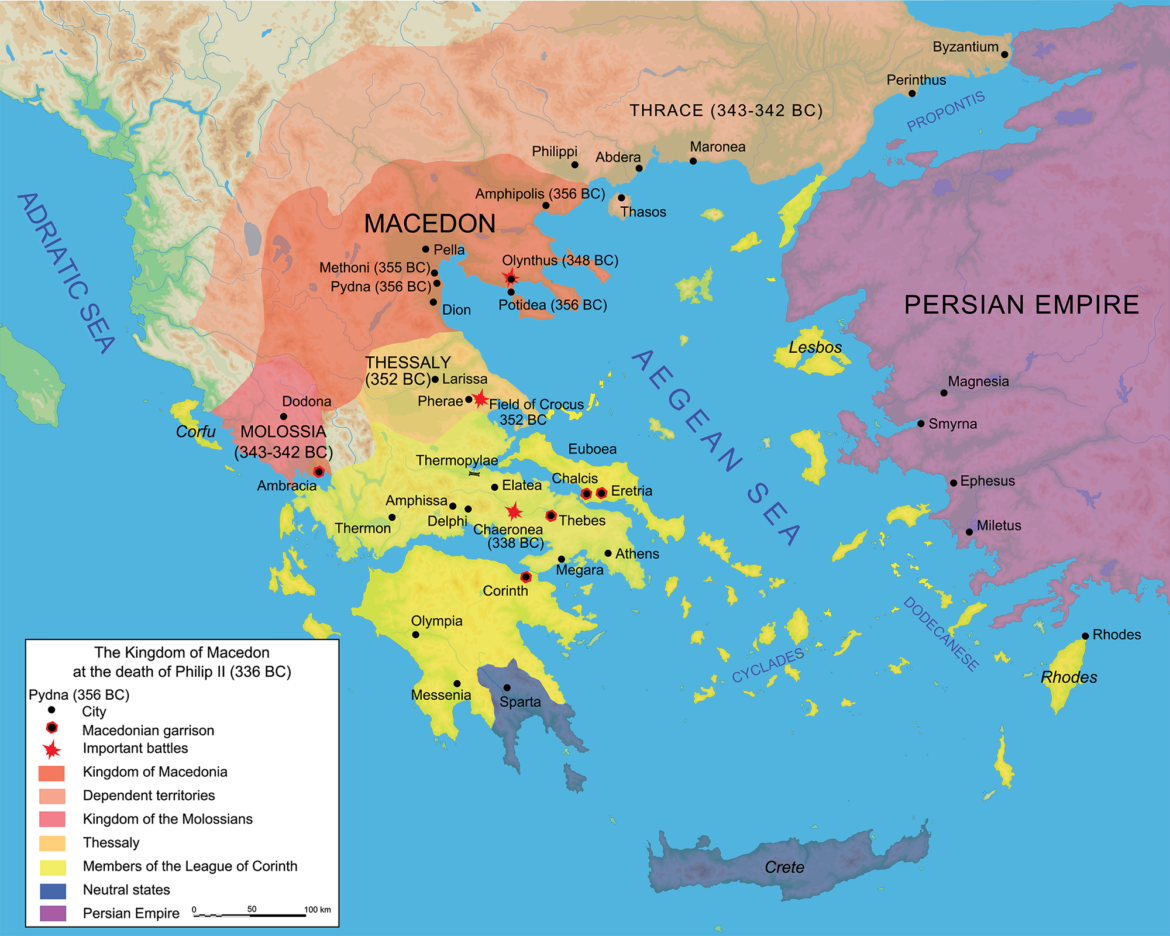
The history of Macedonia dates back to antiquity, most famously as the home of Alexander the Great. This area has been a conduit for various cultures and civilisations throughout history, including the Romans, Byzantines, and Ottomans. The country’s ancient ruins, such as those found at the archaeological site of Heraclea Lyncestis, and the picturesque Lake Ohrid, one of the oldest and deepest lakes in Europe, showcase Macedonia’s significant historical heritage.
Current Political Developments
In recent years, Macedonia has been in the news for its political climate, particularly its path towards integration with the European Union. After changing its name from the Former Yugoslav Republic of Macedonia to North Macedonia in 2019, the country has seen a renewed commitment to reforms aimed at meeting EU standards. As of October 2023, further negotiations are underway, with projections suggesting that North Macedonia may begin accession talks by 2024, enhancing stability and growth in the region.
Cultural Renaissance and Tourism
Macedonia is also experiencing a cultural renaissance, with renewed interest in its traditional arts, music, and cuisine. The country is known for its rich folklore, diverse music, and extensive culinary traditions, which include the famous dishes of ajvar and tavče gravče. Additionally, tourism has been a growing sector, particularly in cities like Skopje and Bitola, where visitors can explore vibrant markets and museums.
Conclusion
As Macedonia continues its journey toward political stability and cultural rejuvenation, the region remains a crossroads of history and tradition. For readers, this is a time to appreciate not just the beauty and heritage of Macedonia, but also its evolving identity in an increasingly interconnected world. The prospects for tourism and cultural exchange are promising, making Macedonia a noteworthy point of interest for future explorers and scholars alike.