Introduction to Pulmonary Embolism
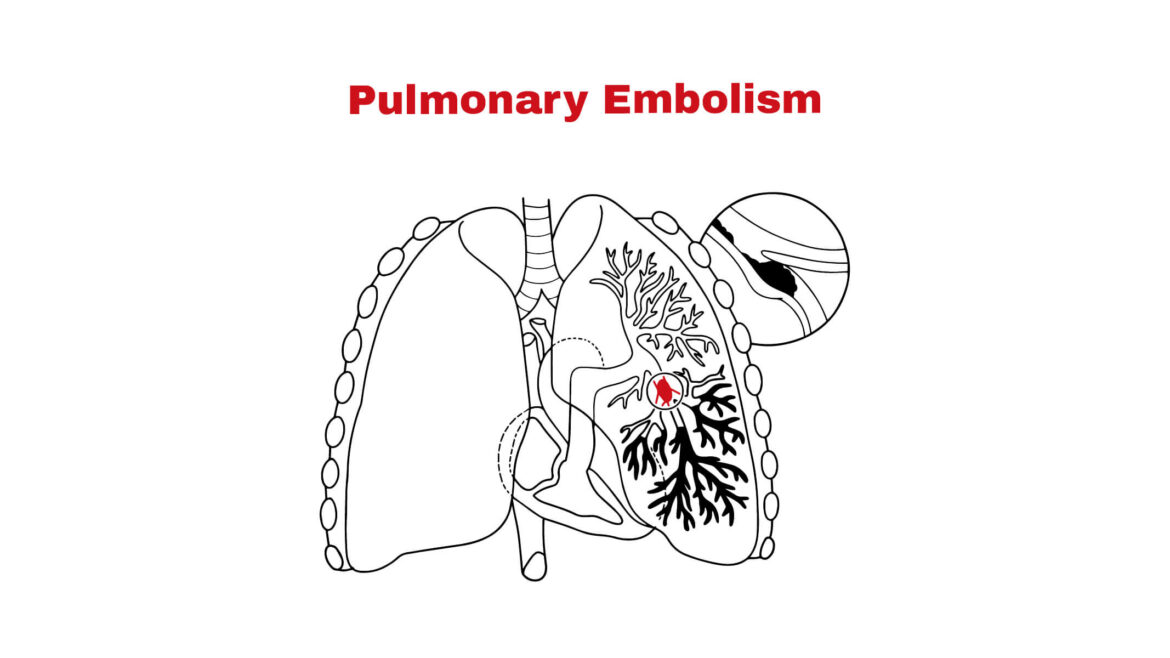
Pulmonary embolism (PE) is a serious medical condition that arises when one or more arteries in the lungs become blocked by blood clots. This blockage can lead to severe consequences, including lung damage, low oxygen levels in the body, and even death. With an estimated 900,000 cases occurring in the United States annually, understanding the causes, symptoms, and treatment options of PE is crucial for timely medical intervention.
Causes and Risk Factors
The majority of pulmonary embolisms are caused by deep vein thrombosis (DVT), where blood clots form in the deep veins of the legs and travel to the lungs. Several risk factors can increase the likelihood of developing DVT and subsequently PE, including prolonged periods of immobility (such as long flights), certain surgeries, obesity, smoking, and certain medical conditions like cancer and heart disease.
Symptoms of Pulmonary Embolism
Symptoms of PE can vary greatly and may present suddenly. Common symptoms include:
- Shortness of breath
- Chest pain, which may worsen with deep breathing or coughing
- Coughing up blood
- Rapid heart rate
- Dizziness or lightheadedness
Recognising these symptoms early is fundamental, as immediate medical attention can significantly improve outcomes.
Diagnosis and Treatment
Diagnostic tools for PE might include CT pulmonary angiography, ventilation-perfusion (V/Q) scans, or Doppler ultrasound of the legs. Treatment usually involves anticoagulants to prevent further clotting, with options ranging from oral medications to injectables. In severe cases, thrombolytics may be used to dissolve clots, and surgical options may be necessary to remove obstructions. Recent advancements in treatment have shown promising results, with newer anticoagulants offering patients more options with fewer side effects.
Conclusion
Pulmonary embolism is a critical health concern that warrants attention due to its life-threatening potential. Awareness of symptoms and risk factors can lead to quicker diagnosis and treatment, ultimately saving lives. As ongoing research continues to enhance treatment protocols, it is vital for individuals at risk to engage in preventive measures, such as staying active and consulting healthcare professionals about their health risks. Increased public awareness can lead to more effective management of pulmonary embolism and better health outcomes.