Introduction
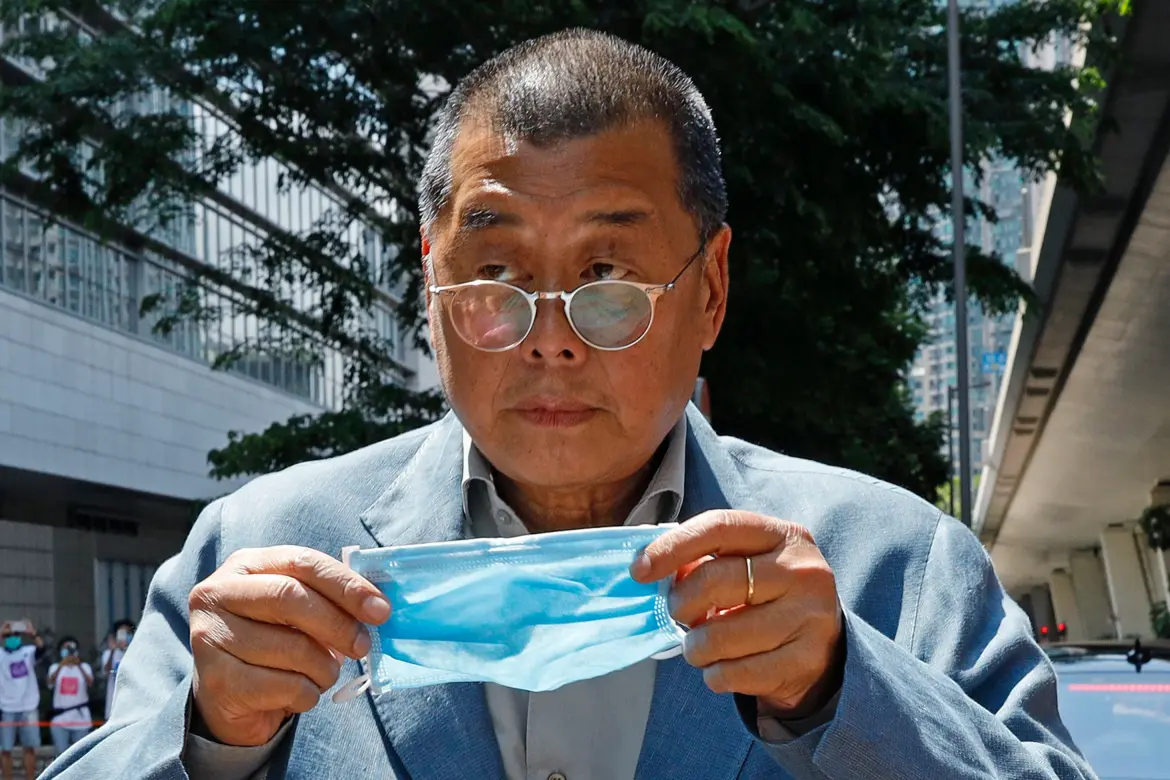
Jimmy Lai, a prominent Hong Kong media tycoon and pro-democracy activist, has become a symbol of resistance against the erosion of freedoms in the region. His life and work are especially relevant today as Hong Kong navigates a tense political landscape following the national security law imposed by Beijing in 2020. Lai’s situation underscores the ongoing struggle for democracy and freedom of expression in Hong Kong, which remains a focal point of international concern.
Background
Born in 1947 in Guangzhou, China, Jimmy Lai emigrated to Hong Kong at the age of 12. He founded the influential newspaper Apple Daily in 1995, which became a significant voice for pro-democracy movements. His outspoken criticism of the Chinese government attracted widespread support among the Hong Kong populace, but also made him a target for authorities. Due to his media influence and activism, Lai has faced numerous legal challenges, particularly in the wake of the 2019 protests.
Current Events
In December 2022, Lai was convicted on charges related to his pro-democracy activities and received a prison sentence that underscored the harsh crackdown on dissent in Hong Kong. He is currently detained, with a trial on other charges set to reveal more about the extent of government crackdowns on free speech. The international community, including groups like Amnesty International and Human Rights Watch, has condemned Lai’s treatment, calling it politically motivated. Recent developments indicate that Lai’s case could lead to increased global scrutiny of China’s policies in Hong Kong, especially as it relates to human rights.
Significance and Conclusion
The plight of Jimmy Lai serves as a stark reminder of the challenges faced by journalists and activists in Hong Kong. As the city continues to grapple with the effects of the national security law, Lai’s story is pivotal in understanding the broader implications for civil liberties. His case has not only sparked demonstrations in Hong Kong and support from overseas, but it has also reignited discussions around the role of global powers in advocating for human rights. Looking ahead, the fate of Jimmy Lai may significantly influence international relations with China and the future of democracy in Hong Kong. Observers watch closely, as Lai’s resilience could inspire others to fight for their freedoms, even in the face of unprecedented oppression.