Introduction
Norse Atlantic Airways, a new player in the airline industry, has started to gain attention for its innovative approach to transatlantic travel. Launched in June 2022, this Norwegian airline aims to provide affordable and sustainable options for travellers flying between Europe and North America. With increasing demand for flights following the pandemic, Norse Atlantic Airways is well-timed to meet this market need, emphasising its commitment to lower fares without compromising on service quality.
The Launch and Initial Offerings
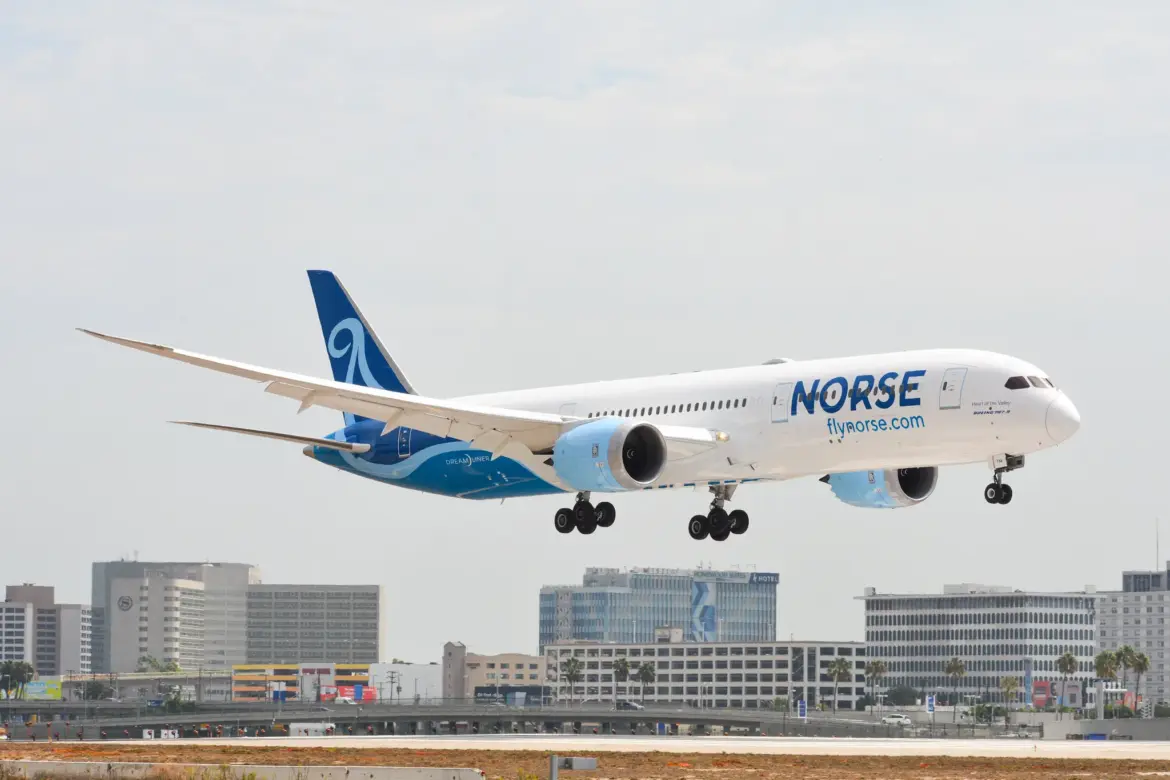
The airline began its operations with a focus on key routes connecting cities such as London, Oslo, and New York. Notably, Norse Atlantic Airways has positioned itself in the market by utilising a fleet of modern, fuel-efficient Boeing 787 Dreamliners. These aircraft not only enhance passenger comfort but also align with the company’s sustainability goals by reducing carbon emissions significantly compared to older models. The airline’s pricing strategy allows it to offer competitive fares, which is critical in the current economic climate where many consumers are budget-conscious.
Recent Developments and Expansion Plans
As of October 2023, Norse Atlantic Airways has announced plans to expand its destinations, with new routes set to include Los Angeles and Miami, tapping into high-demand markets. Additionally, the airline has reported an increase in passenger numbers month on month, indicating a strong reception from the market. The increasing operations reflect confidence in the recovery of international travel and the growing interest in affordable long-haul flights. Furthermore, Norse has begun introducing new services such as in-flight entertainment and upgraded meal options, enhancing customer experience.
Commitment to Sustainability
A key component of Norse Atlantic’s mission is sustainability. The airline has pledged to offset its carbon footprint through investments in various eco-friendly projects. By focusing on modern aircraft and sustainable practices, Norse Atlantic Airways hopes to attract environmentally conscious travellers who are seeking to mitigate their travel impact.
Conclusion
The emergence of Norse Atlantic Airways is indicative of a broader trend in the airline industry where cost-effective and eco-friendly practices are becoming essential. With its strategic routes and emphasis on sustainability, Norse is setting a precedent for how transatlantic travel can evolve. As travellers seek affordable options without sacrificing quality, Norse Atlantic Airways is well-poised to capture a significant share of the market while contributing positively to environmental goals. Looking ahead, the airline’s continued growth and innovations will be closely monitored by industry analysts and travellers alike.