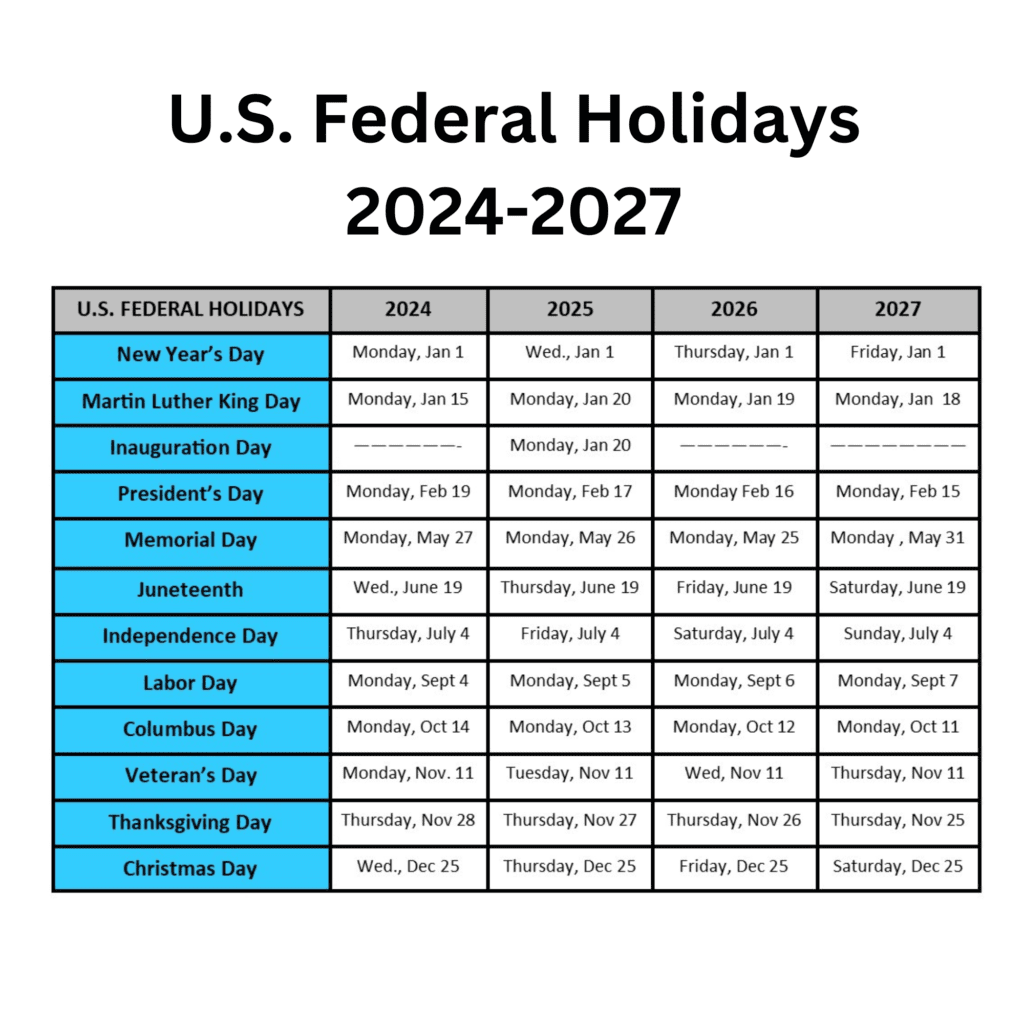
Introduction: The Significance of US Holidays
Holidays in the United States serve as a crucial lens through which the nation’s culture, history, and values can be examined. They reflect the diversity of American society, showcasing the different traditions that various groups celebrate. From federal holidays like Independence Day to cultural observances like Thanksgiving, US holidays are significant for their social functions and economic impacts.
The Historical Context of US Holidays
Many US holidays have historical roots dating back to the earliest colonial days. Independence Day, celebrated on July 4th, marks the adoption of the Declaration of Independence in 1776, symbolizing the country’s birth. Thanksgiving, originally a harvest festival, has evolved into a day of gratitude celebrated on the fourth Thursday in November. It reflects a long-standing tradition of family gatherings and community-sharing.
Recent Trends in Holiday Observance
In recent years, there has been a trend towards a more inclusive recognition of diverse holidays. For example, Juneteenth, which commemorates the end of slavery in the United States, was declared a federal holiday in 2021, reflecting the country’s continuing journey towards equality and recognition of African American history. Additionally, many corporations have started to offer flexibility for employees to take time off for holidays that are culturally or personally significant to them, fostering greater inclusivity in the workplace.
The Economic Impact of US Holidays
US holidays also have a significant economic impact. Retailers often see a surge in sales during major holidays, with the holiday shopping season around Christmas being one of the busiest times for the economy. According to the National Retail Federation, holiday sales in 2021 reached an estimated $886.7 billion, highlighting the economic weight of holiday traditions. Furthermore, travel during holiday seasons contributes billions to the economy, as families often gather and travel extends beyond local communities.
Conclusion: Looking Ahead
US holidays remain an integral part of society, serving as a uniting force and a reflection of the country’s complex social fabric. While traditional holidays will continue to be celebrated, the incorporation of new holidays and culturally significant observances showcases a society that evolves with its people. As we move forward, understanding and respecting the diversity of US holidays will be essential in fostering inclusivity and appreciation of America’s rich cultural tapestry.