The Significance of the Munich Air Disaster
The Munich Air Disaster, which occurred on February 6, 1958, was a catastrophic event that profoundly affected English football and claimed the lives of 23 individuals, including eight players from Manchester United. This tragedy not only impacted the club but also changed the face of football security and regulations forever.
The Events of the Disaster
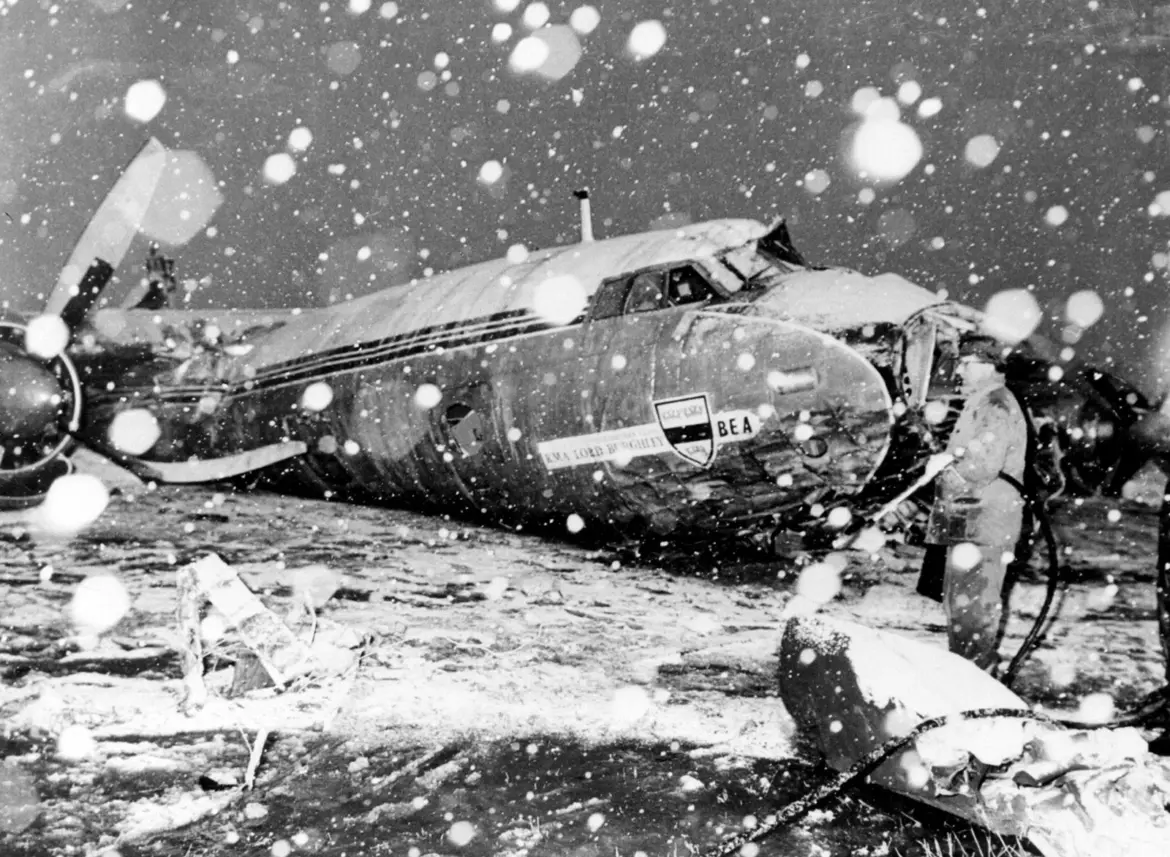
On that fateful day, Manchester United’s team was returning from a European Cup match in Belgrade, having won against Red Star Belgrade. The team was on board British European Airways Flight 609, which attempted to take off from Munich-Riem Airport but ultimately crashed on its third attempt due to a combination of poor weather conditions and overloading. The aftermath was devastating, with 21 of the 44 people on board losing their lives on the scene, including players, staff, and journalists.
Casualties and Immediate Impact
The immediate result of the disaster saw the tragic loss of eight Manchester United players known as the ‘Busby Babes’—a team hailed for their youthful prowess and talent. Notable casualties included star players like Duncan Edwards, Tommy Taylor, and Bill Whelan. The tragedy shocked the football community worldwide, leading to an outpouring of grief and condolences from fans and players alike.
Long-term Implications
In the wake of the disaster, Manchester United faced a period of rebuilding, both in terms of the team and their reputation. Sir Matt Busby, the club’s manager, survived the crash and was pivotal in revitalising the club in the years to come. The event also spurred changes in aviation safety and regulations regarding player transport, ensuring that teams would benefit from safer travel protocols in the future.
Legacy of the Munich Air Disaster
The Munich Air Disaster holds a significant place in football history and is commemorated each year at Manchester United’s home ground, Old Trafford, with memorials and tributes to the players and staff who lost their lives. The tragedy served as a reminder of the importance of safety in all sporting arenas and has become a symbol of resilience for the club and its supporters.
Conclusion
The Munich Air Disaster not only claimed the lives of talented athletes but also left an enduring legacy that reshaped football in terms of safety and regulations. As we remember this tragedy, it is essential to honour the memories of those lost and to recognise the impact that such events have on the world of sport. The lessons learned from this event continue to resonate in today’s football environment, reinforcing the need for vigilance and care within the sporting community.