Introduction
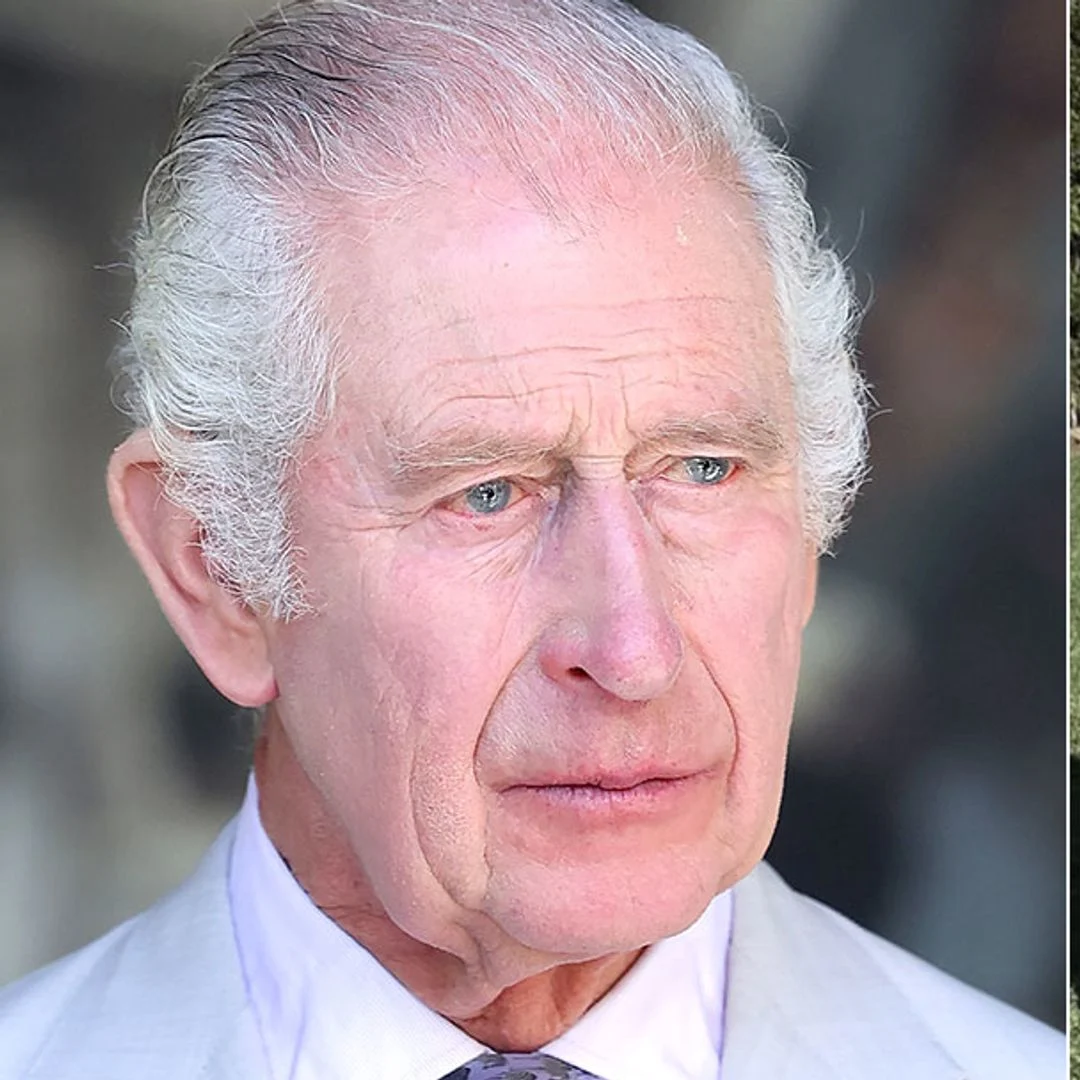
King Charles III ascended the throne following the passing of his mother, Queen Elizabeth II, in September 2022. His reign marks a pivotal moment in British history, signalling a new era for the monarchy and the country. As a constitutional monarch, King Charles’s approach and values are set to influence the United Kingdom and the Commonwealth in profound ways. This article explores his early life, his contributions, and the significance of his reign thus far.
Background and Early Life
Born on November 14, 1948, in Buckingham Palace, Charles was the first child of the then-Princess Elizabeth and Prince Philip. He became the heir apparent at the tender age of three. Charles’s education included time spent at Gordonstoun School in Scotland and Cambridge University, where he studied archaeology and anthropology. His lifelong interests in art, architecture, and the environment have also shaped his public persona.
A Modern Monarchy
Since his accession, King Charles has voiced his commitment to modernising the monarchy. He has focused on addressing critical issues such as climate change, sustainable living, and mental health awareness. His initiative, The Prince’s Trust, has benefited thousands of young people across the UK, demonstrating his dedication to social welfare.
In his first public address as king, Charles emphasised the importance of service, charity, and compassion, setting the tone for his reign. His efforts to engage with communities across the UK illustrate his intention to be a monarch for all, urging the nation to unite in the face of challenges.
Public Reception and Challenges
Initial reactions to King Charles’s reign have been mixed. While many citizens welcome his modern views and personal touch, others remain sceptical, rooted in tradition. Additionally, the royal family’s past controversies still linger in public perception. However, polling data indicates an upward trend in approval ratings over the past year, suggesting that as King Charles continues to embrace his role, public trust may strengthen.
Conclusion
King Charles’s reign is characterised by a blend of tradition and modernity, reflecting a changing Britain. His dedication to social issues and sustainability resonates with many citizens, particularly younger generations. As he navigates the complexities of modern monarchy amidst challenges and immense public scrutiny, his impact will likely shape the future of the British monarchy. Looking ahead, observers will be keen to see how he continues to evolve his role and strengthen the monarchy in the hearts of the people.