Introduction to Luge at the Winter Olympics
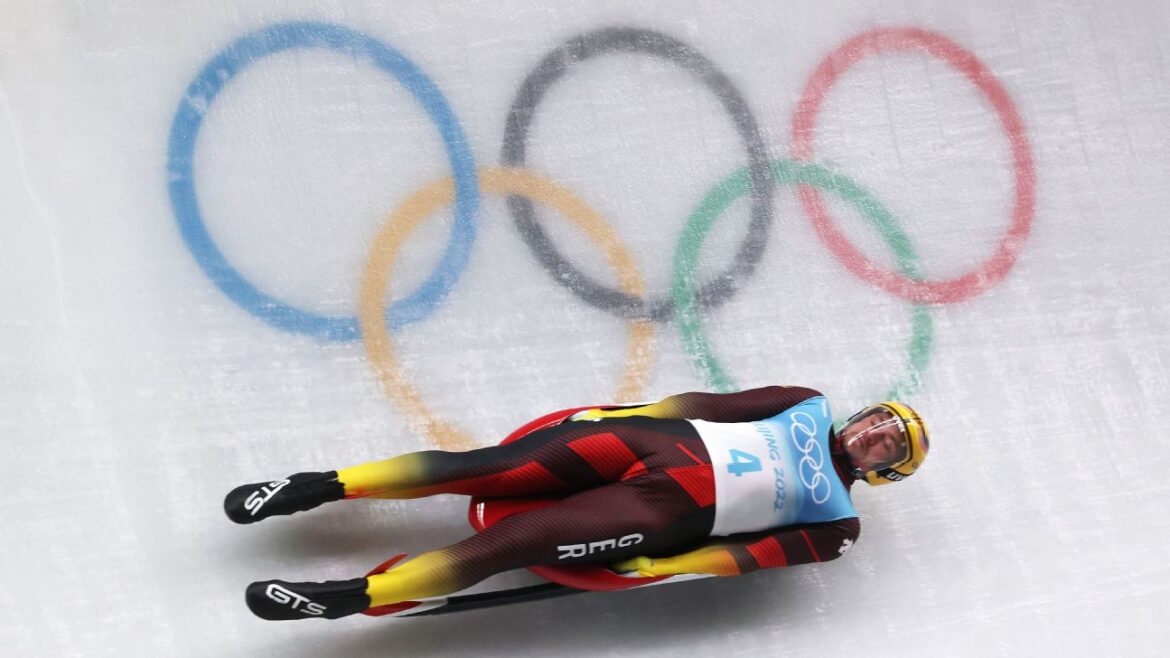
Luge, a high-speed sport that involves racing down narrow, twisting tracks in a small sled, has been a gravity-defying highlight of the Winter Olympic Games since its debut in 1964. With athletes reaching speeds of up to 140 km/h (87 mph), the sport captivates audiences and showcases the remarkable skill and precision required to navigate the icy courses.
History and Evolution of Luge
Originating in the late 19th century in Switzerland, luge has transformed from a recreational activity to a competitive sport. The 1964 Winter Olympics in Innsbruck marked its introduction in the Olympic realm, featuring men’s singles and doubles events. The sport has since expanded, incorporating women’s singles in 1998 and team relay events in 2014.
Key Events and Competitions
The luge competitions at the Olympics consist of various events, including men’s and women’s singles, doubles, and team relays. Track conditions, weather, and even the choice of sled can significantly impact performance. Notably, Germany has consistently dominated the sport, having secured numerous gold medals in the Olympics, showcasing their legacy and technical prowess in luge.
Recent Highlights from the 2022 Beijing Winter Olympics
The 2022 Winter Olympics in Beijing saw thrilling luge competitions with standout performances. German luger Johannes Ludwig clinched gold in the men’s singles, while reigning champion Natalie Geisenberger continued her Olympic dominance in the women’s singles event. Team relays also provided nail-biting finishes, underscoring the sport’s excitement.
Conclusion and Future of Luge
Luge remains a significant and exhilarating part of the Winter Olympic Games, drawing interest from millions around the globe. As we look ahead to future Olympics, preparations are already underway as athletes seek to refine their skills and equipment to compete on the world stage. The sport is poised for further growth, inspiring new generations of athletes to embrace the thrill of sliding down the icy courses of the luge tracks.