Introduction
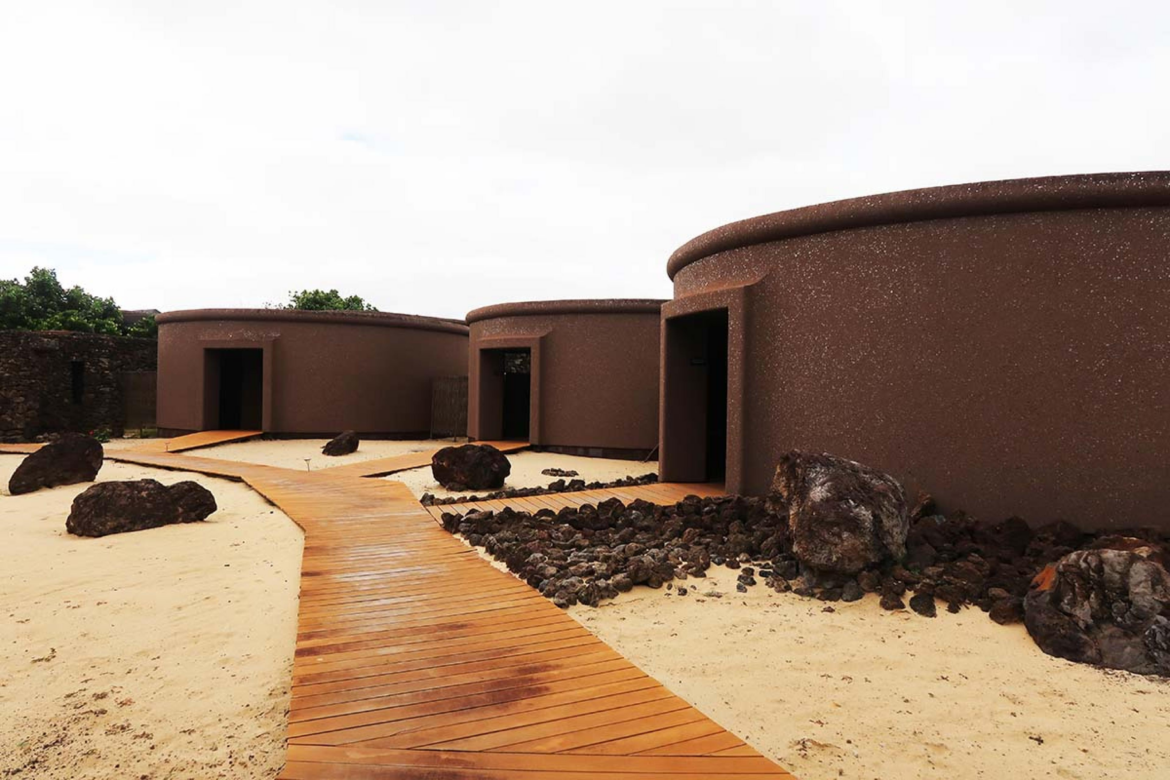
Easter Island, known locally as Rapa Nui, is a world-renowned UNESCO World Heritage Site located in the southeastern Pacific Ocean. Famous for its mysterious moai statues, the island is not only significant for its impressive archaeological features but also for its unique cultural history and contemporary challenges. Understanding Easter Island’s past is crucial in grasping the complexities of its current sociopolitical situation and its environmental concerns.
The Moai Statues: A Cultural Treasure
One of the most captivating aspects of Easter Island is its iconic moai statues, which were carved by the Rapa Nui people between 1400 and 1650 CE. These monolithic figures served as ancestral representations and are believed to embody the spirits of important ancestors. Recent archaeological studies show that there may be more statues yet to be discovered, indicating a highly developed society with advanced carving techniques. As of 2023, there are approximately 887 known moai, with the largest standing at an astounding 10 meters tall and weighing over 80 tonnes.
Environmental Challenges
Despite its stunning beauty, Easter Island faces significant environmental challenges. Over the centuries, deforestation and resource depletion have severely impacted the island’s ecosystem. These issues have been intensified by increasing tourism, which reached over 90,000 visitors in 2022, causing strain on local resources. Efforts to promote sustainable tourism are currently underway to protect the island’s delicate environment and heritage.
Cultural Revitalisation and Recognition
The Rapa Nui community has been engaged in a cultural revitalisation movement, aimed at fostering traditional arts, music, and language. The local government is actively promoting initiatives that encourage community engagement and empowerment, often through tourism. This not only aids in preserving cultural identity but also enhances the economic situation for local families, providing employment opportunities through heritage tourism activities.
Conclusion
Easter Island stands as a testament to the rich heritage and enduring resilience of the Rapa Nui people. The island serves as an important reminder of the balance required between maintaining cultural integrity and addressing modern challenges. As interest in the island continues to grow, it will be crucial for stakeholders to navigate these complexities thoughtfully, ensuring that the legacy of Easter Island is preserved for future generations.