Introduction
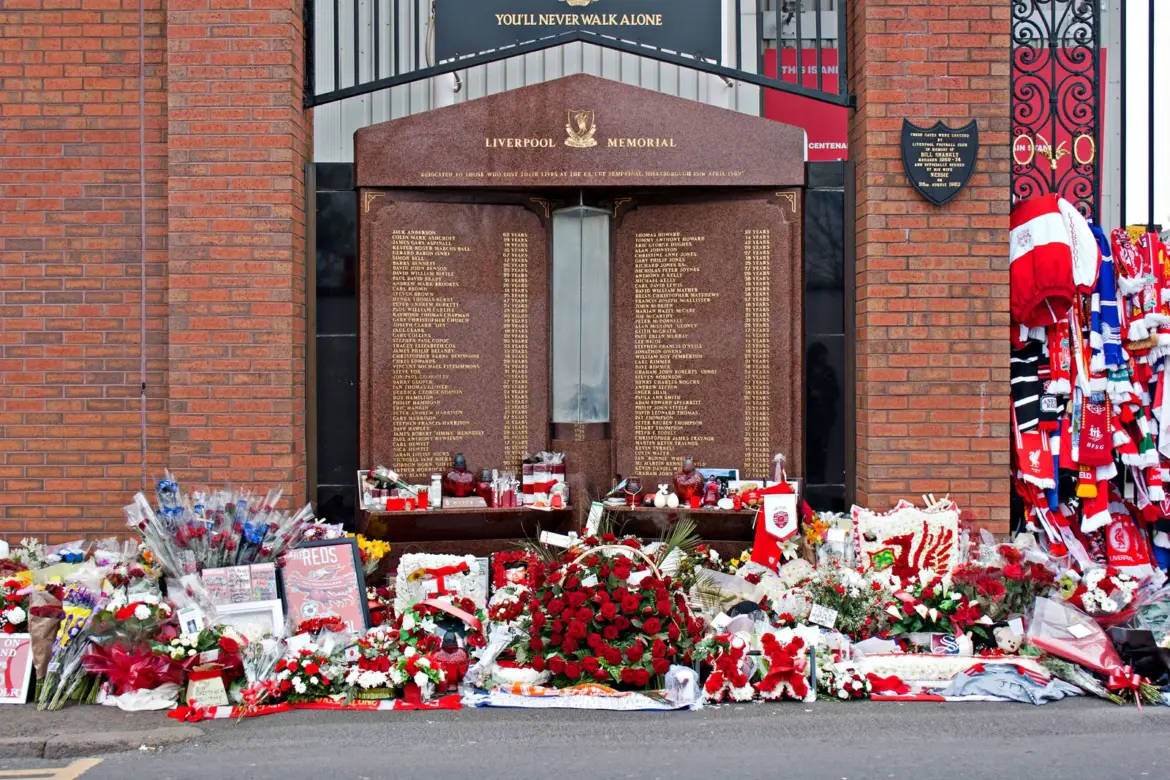
The Hillsborough disaster, which occurred on 15 April 1989, is a significant event in the history of UK sports, marking a somber chapter in football history. The incident, which resulted in the tragic loss of 97 lives and left hundreds injured, continues to resonate in discussions about safety, accountability, and the treatment of fans at sporting events. Understanding the disaster’s implications is crucial as many reforms have emerged to enhance safety standards in stadiums.
Details of the Tragedy
During the FA Cup semi-final between Liverpool and Nottingham Forest at Hillsborough Stadium in Sheffield, a crush developed in the overcrowded standing section of the stadium. The tragedy unfolded as thousands of fans were granted access to the already full pen, leading to a catastrophic failure of crowd control. Emergency services faced significant challenges in managing the situation, and the aftermath was marred by distress and confusion.
In the years following the disaster, investigations revealed a catalogue of failures, including inadequate crowd management, poor communication between authorities, and safety negligence. The initial police response and subsequent media portrayal of Liverpool fans were heavily criticized, exacerbating the pain of the victims’ families.
Pivotal Investigations and Reforms
The quest for justice began immediately after the disaster, with families of the victims tirelessly campaigning for accountability. The Hillsborough Independent Panel was established, leading to the publishing of a comprehensive report in 2012, which exonerated the fans and highlighted the numerous failings of the police and emergency services.
In response to the findings, the UK government implemented various reforms aimed at enhancing stadium safety. Among these was the introduction of all-seater stadiums in the top two tiers of English football, significantly improving safety measures and fan experiences.
Conclusion
The Hillsborough disaster serves as a crucial reminder of the importance of proper safety protocols in sports venues and the need for accountability from those in authority. As the 35th anniversary approaches, memorial events will honour the memory of the victims and lay bare the ongoing fight for justice and reform in football. The lessons learned from this tragedy continue to influence policies to ensure the safety of fans at sporting events, echoing a commitment that such an incident should never happen again.