Introduction
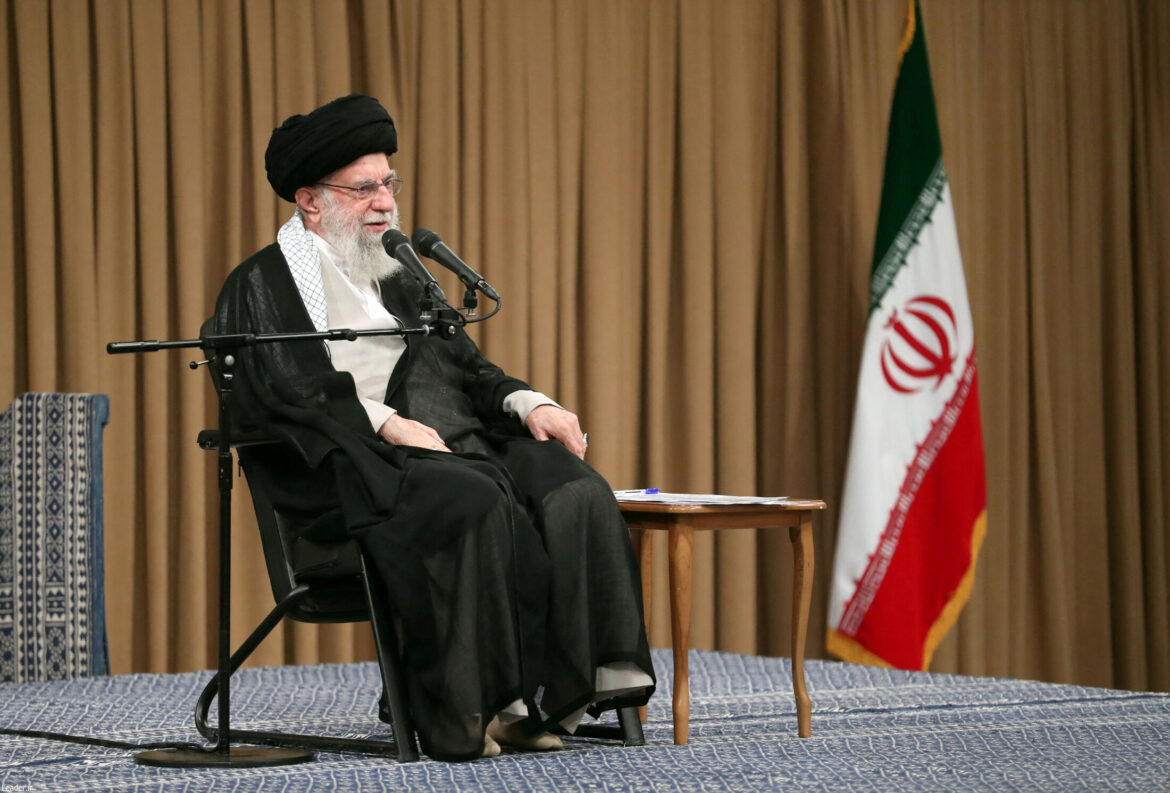
Ayatollah Ali Khamenei, the Supreme Leader of Iran, plays a pivotal role in not only the governance of the nation but also in the shaping of its socio-political landscape. His leadership is crucial for understanding Iran’s domestic and foreign policies, especially in a region fraught with tension and uncertainty. As the world watches Iran’s moves closely, Khamenei’s actions and decisions remain a focal point for analysts and commentators alike.
Khamenei’s Rise to Power
Born on July 17, 1939, in Mashhad, Khamenei became involved in anti-government activities during his youth, eventually leading to his prominent role in the Iranian Revolution of 1979. Following the revolution, he served in various capacities, culminating in 1989 when he was appointed Supreme Leader after the death of Ayatollah Khomeini. This position gives Khamenei significant power over all branches of government, the military, and the media, making him one of the most influential figures in Iran.
Recent Developments
In recent months, Khamenei’s leadership has faced scrutiny due to internal protests driven by a combination of economic hardship and demands for greater freedoms. The government’s response to these protests has been met with international condemnation, with Khamenei asserting that foreign influences exacerbate protests as a means of destabilising the regime. His recent speeches suggested a firm stance against dissent while emphasizing ideological loyalty to the Islamic Republic.
International Impact
Khamenei’s policies significantly influence Iran’s relationships abroad, particularly regarding nuclear negotiations with world powers. His insistence on maintaining the Islamic Republic’s independence has often complicated diplomacy. Recent talks aimed at reviving the Joint Comprehensive Plan of Action (JCPOA) have stalled, leading to intensified scrutiny of Khamenei’s strategic choices.
Conclusion
As Ayatollah Ali Khamenei continues to steer Iran through a period marked by both internal challenges and external pressures, his leadership warrants close attention. His decisions will shape the futures of the Iranian people and Iran’s role on the international stage. For observers of Iranian politics, understanding Khamenei’s ideological foundations and tactical maneuvers is essential to predicting the trajectory of both the nation and its foreign relations in the coming years.