Introduction
The story of ‘Wuthering Heights’, authored by Emily Brontë, remains a cornerstone of English literature since its publication in 1847. Its exploration of complex characters, themes of passion, and the stark natural environment has made it a significant cultural work. In addition to its literary acclaim, ‘Wuthering Heights’ has inspired numerous film adaptations, offering varied interpretations that help to keep the story alive for new generations. This continues to spark discussions about the relevance of classic literature in contemporary cinema.
Overview of Film Adaptations
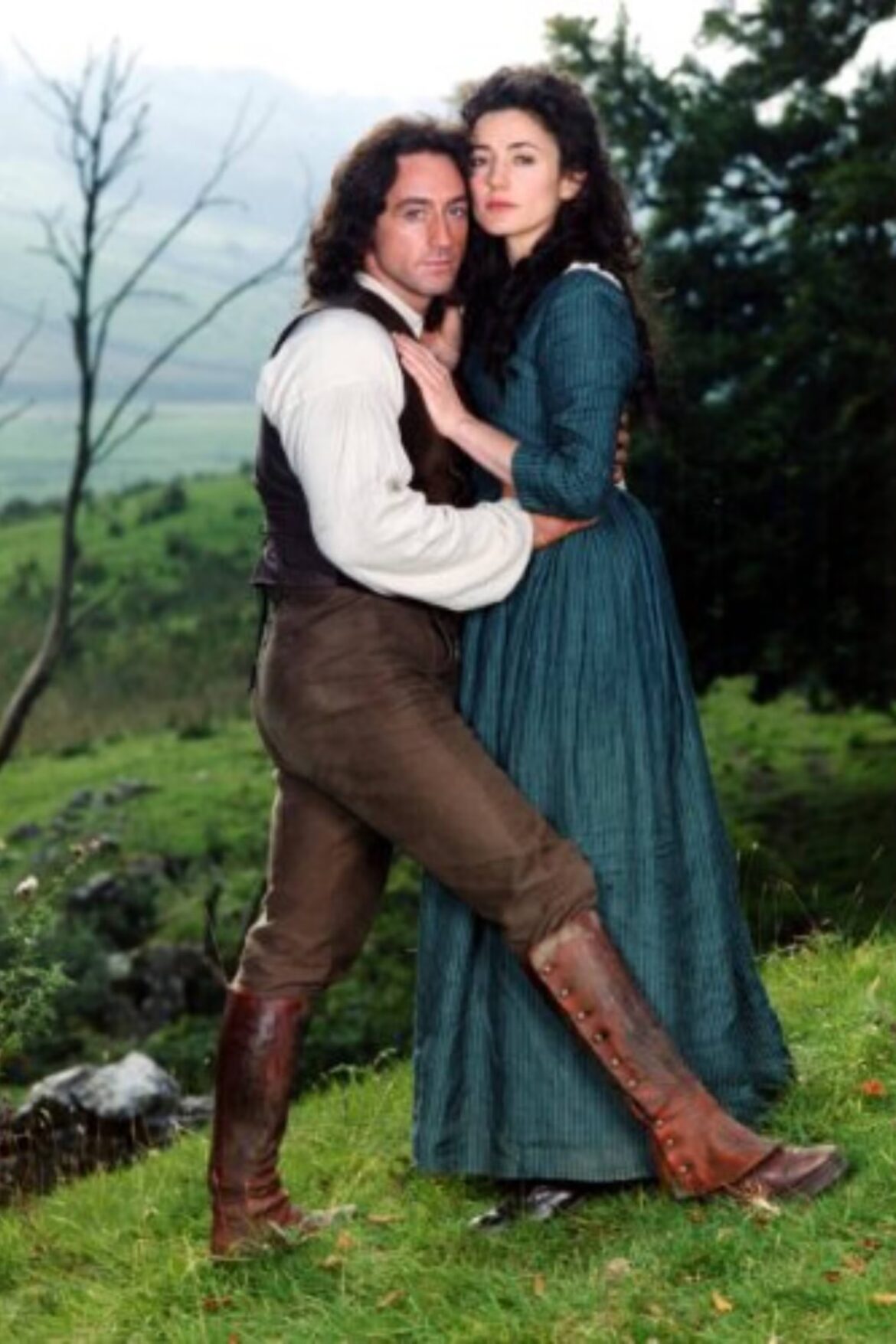
‘Wuthering Heights’ has seen many adaptations since the early 20th century, with notable films released in 1939, 1970, 1992, and more recently, in 2011. Each version presents a unique take on Brontë’s narrative, with some prioritising fidelity to the original text while others take creative liberties to modernise the tale.
The 1939 version, starring Laurence Olivier as Heathcliff and Merle Oberon as Catherine Earnshaw, is perhaps the most iconic. It remains a classic, praised for its cinematography and performances, despite considerable deviations from Brontë’s original storyline. In contrast, the 1992 adaptation featuring Ralph Fiennes and Juliette Binoche was more aligned with the book’s themes but faced criticism for its pacing and tone.
Recent Adaptations and Their Reception
The 2011 adaptation directed by Andrea Arnold was well-received for its raw and gritty portrayal of the characters and their tumultuous relationship. Arnold’s decision to shoot the film in natural light added a layer of authenticity to the setting, drawing viewers deeper into the emotional landscape of the characters. Critics lauded the film for its artistic vision, while some purists felt it strayed too far from the book.
Conclusion
The various adaptations of ‘Wuthering Heights’ illustrate the enduring appeal and complexity of Brontë’s work. Each film brings new perspectives, encouraging audiences to explore the characters’ emotional depths and the violent beauty of their surroundings. As filmmakers continue to revisit this classic, it poses questions about how such stories can evolve while maintaining their core essence. The ongoing engagement with ‘Wuthering Heights’ in cinema reflects not only its impact on culture but also the timeless nature of love, revenge, and the human spirit depicted in Brontë’s novel. Therefore, audiences are likely to see further interpretations, as adaptations serve to keep the literary conversation alive across different mediums.