Introduction
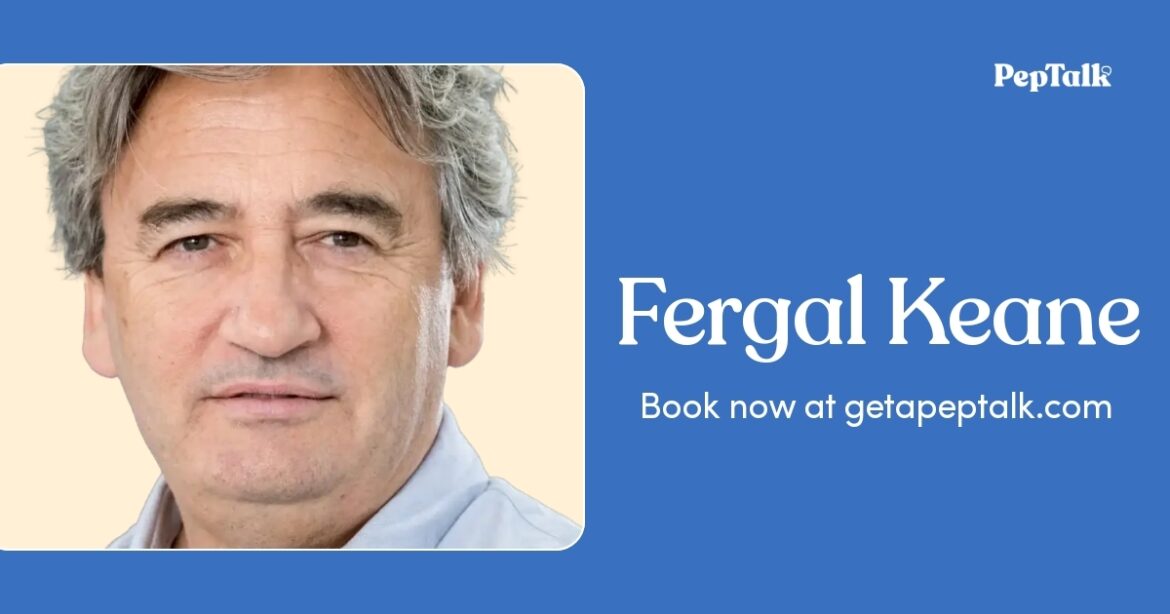
Fergal Keane, a prominent journalist and author, has made a significant impact on news reporting over his illustrious career spanning three decades. Renowned for his coverage of conflict zones, Keane’s work has not only informed the public about global issues but also brought a humanistic approach to storytelling in journalism. His insights into the complexities of war and peace remain incredibly relevant in today’s turbulent world.
Early Life and Career
Born in 1961 in London to Irish parents, Fergal Keane grew up in County Kerry, Ireland. He graduated from University College Dublin and soon began his career in journalism. In the late 1980s, Keane joined the BBC as a foreign correspondent, quickly rising to prominence due to his courage and commitment to uncovering the truth.
Notable Reporting
Keane’s extensive reporting from conflict areas such as Bosnia, Rwanda, and the Middle East has brought international attention to human rights abuses and the plight of civilians in war. His work during the Rwandan genocide in 1994, where he reported on the atrocities first-hand, was particularly influential and earned him widespread acclaim. His powerful storytelling often combines detailed accounts with broader historical context, making complex situations more comprehensible to the public.
Recent Developments
As of 2023, Keane continues to work with the BBC and write extensively, focusing on the ongoing conflicts in Ukraine and the Middle East. His recent articles highlight the people affected by these crises, reinforcing his belief in the importance of personal stories amidst geopolitical strife. In addition to journalism, Keane also engages in public speaking and has authored several books, contributing to literature on war and conflict.
Conclusion
Fergal Keane’s work serves as a poignant reminder of the role of journalism in society. As global issues continue to evolve, his commitment to uncovering the truth and sharing human stories remains vital. Future generations of journalists can draw inspiration from his unique approach, which prioritises empathy and understanding in an often chaotic world. Keane’s influence underscores the crucial importance of responsible reporting in shaping public discourse and policy.