Introduction
Wuthering Heights, a novel by Emily Brontë published in 1847, is a cornerstone of English literature and remains a subject of fascination over a century after its release. Its intricate exploration of love, revenge, and social class continues to resonate with contemporary readers and scholars alike, highlighting its ongoing relevance in today’s world. The novel’s complex characters and poignant themes spark discussions about passion and morality, making it a staple in literary studies.
Plot Overview and Themes
The narrative follows the tumultuous relationship between Heathcliff and Catherine Earnshaw, set against the dramatic Yorkshire moors. Their passionate love is marred by revenge, jealousy, and the constraints imposed by their social environments. Key themes in the novel include the conflict between nature and nurture, the destructiveness of obsessive love, and the ramifications of social class distinctions.
Brontë’s exploration of the supernatural and the Gothic elements further enhances Wuthering Heights’ mystique, contributing to its reputation as a bold and unconventional work for its time. The novel eschews a traditional linear plot, presenting a multi-layered narrative that involves multiple narrators, predominantly Mr. Lockwood and Nelly Dean, adding depth and complexity to the story.
Modern Relevance
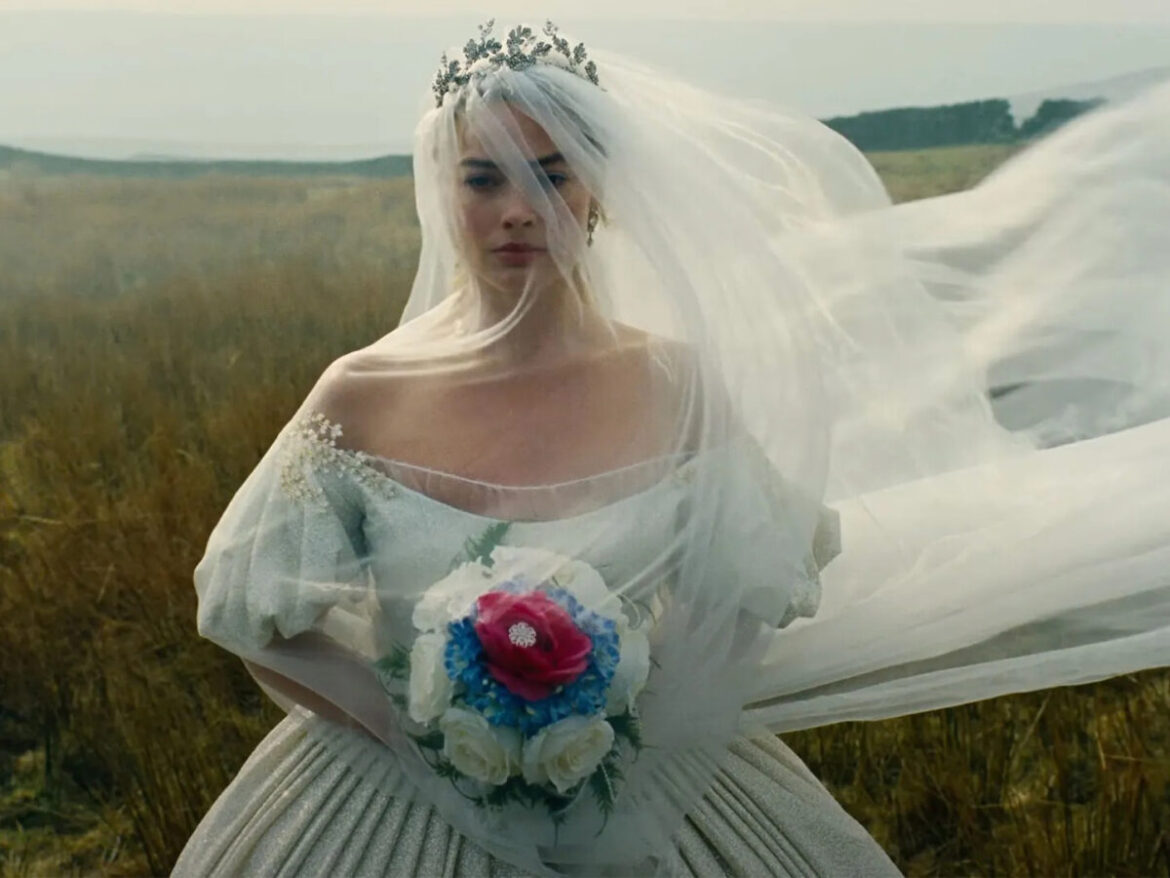
In recent years, there has been a resurgence of interest in Wuthering Heights, with various adaptations in film, theatre, and even music. These adaptations further cement its place in popular culture and reintroduce Brontë’s themes to new audiences. Academic interest in the novel has also grown, with scholars examining its feminist perspectives, psychological depth, and cultural significance.
Moreover, the novel’s exploration of the darker aspects of human nature and relationships resonates in an age of social media and instant communication, offering a cautionary tale about the consequences of unchecked emotions and societal expectations.
Conclusion
Wuthering Heights is more than just a tragic romance; it is an exploration of the human condition, marked by its rich, evocative language and profound themes. Its enduring legacy lies in its ability to capture the complexities of love and vengeance, making it relevant across generations. As more readers engage with this classic text, it continues to inspire and provoke thought, reminding us of literature’s power to mirror and challenge the human experience.