Introduction
NASA, the National Aeronautics and Space Administration, has long been at the forefront of space exploration and scientific discovery. Established in 1958, NASA has not only achieved remarkable milestones in space travel but has also significantly influenced technology and education in related fields. The relevance of NASA is underscored by its continuous efforts to explore Mars, study climate change, and develop technologies for future space missions, making it essential to understand its current initiatives and future directions.
Current Initiatives
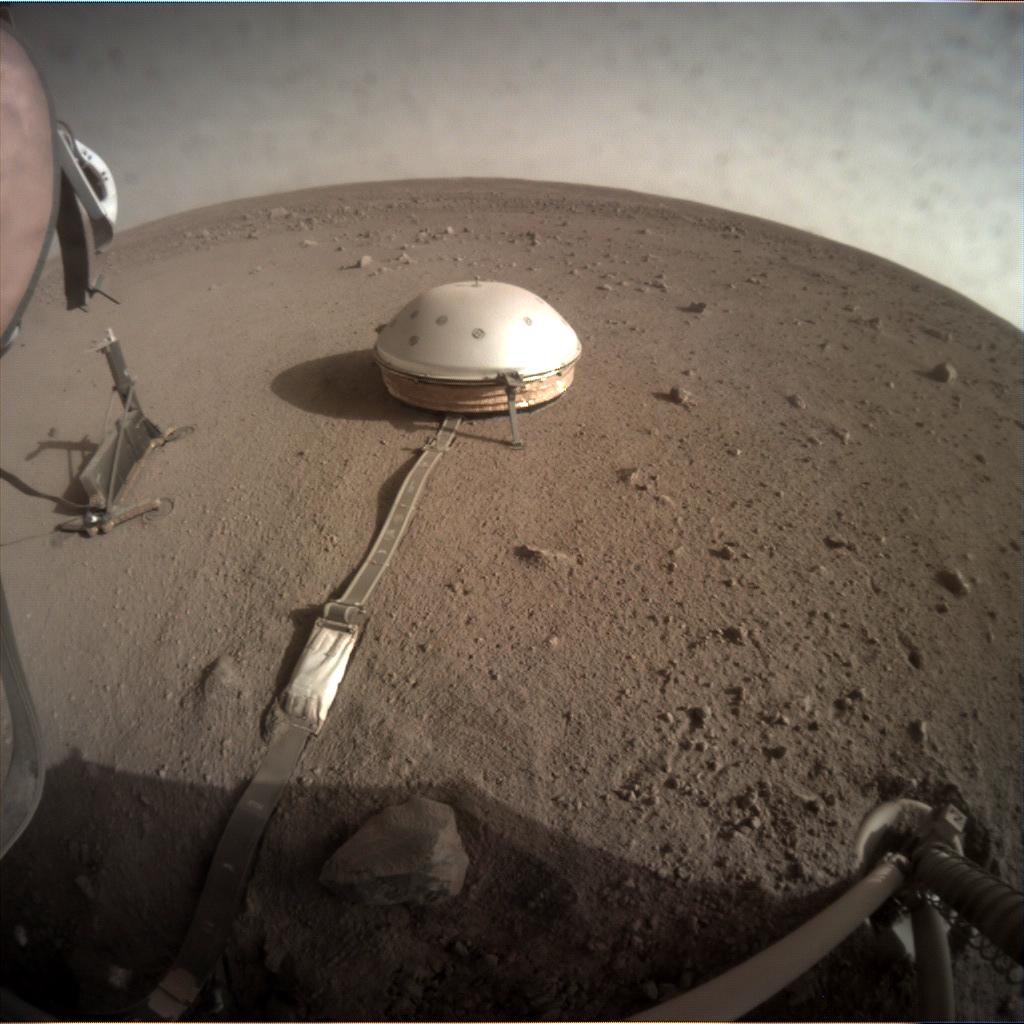
As of 2023, NASA is engaged in several high-profile missions, including the Artemis programme, which aims to return humans to the Moon by 2025. This ambitious project includes plans to establish a sustainable presence on the lunar surface, serving as a stepping stone for future Mars missions. Additionally, NASA’s Perseverance rover, which landed on Mars in February 2021, has been actively collecting data and searching for signs of ancient microbial life, furthering our understanding of the Red Planet’s geology and climate.
Scientific Contributions
Nasa’s contributions extend far beyond exploration; its research has provided invaluable data on Earth and space sciences. The agency’s Earth Science Division monitors climate change, natural disasters, and other environmental phenomena through a series of satellites. The data gathered assists governments and researchers in forming policy decisions related to climate initiatives and disaster management.
Technological Innovations
NASA’s innovations have also spurred advancements in various technologies that have found applications beyond space exploration. Technologies such as satellite communications, improved medical imaging systems, and even the development of water purification systems can be traced back to NASA’s research and development efforts. Educational programs and partnerships foster STEM (Science, Technology, Engineering, and Mathematics) learning among students, aiming to inspire a new generation of scientists and engineers.
Conclusion
The significance of NASA in both scientific and technological domains cannot be overstated. As the agency prepares for new missions, including those aimed at Mars and beyond, it continues to shape not only the future of space exploration but also the way we see and understand our planet. Looking ahead, NASA’s efforts in fostering innovation and education will likely inspire future advancements and a greater interest in space exploration among the global populace.