Introduction
Measles, a highly contagious viral infection, has seen a resurgence in various parts of the world. With its severe complications, understanding the symptoms of measles is crucial for public health and individual awareness. In 2023, the World Health Organization reported increased cases of measles, making it more important than ever to educate communities about its early signs.
Main Symptoms of Measles
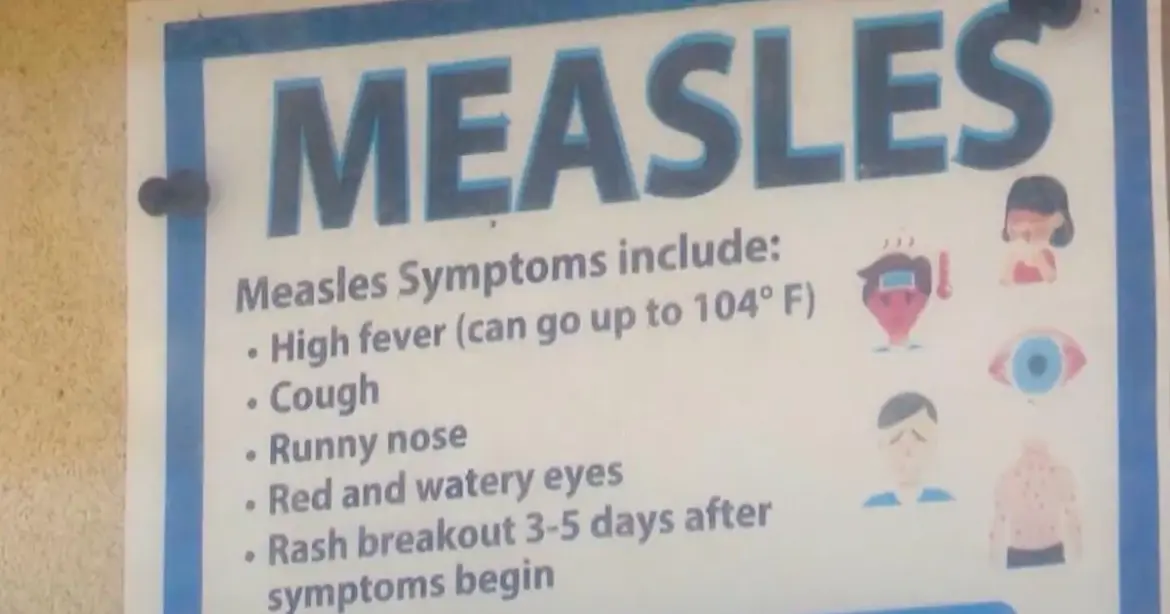
The initial symptoms of measles typically appear about 10 to 14 days after exposure to the virus. This period is crucial for early detection to prevent further spread. Major symptoms include:
- Fever: A high fever usually develops starting around the second day of the illness, often exceeding 38.3°C (101°F).
- Cough: A dry cough is common and can worsen over time.
- Runny Nose: Nasal congestion and a runny nose often accompany the cough.
- Conjunctivitis: Inflammation of the eyes, or conjunctivitis, can develop, making the eyes red and sensitive to light.
- Koplik’s Spots: These small, white spots appear inside the mouth on the inner lining of the cheeks and are a classic early sign of measles.
Following these initial symptoms, a distinctive red rash typically appears around 3 to 5 days after the first symptoms. The rash usually starts at the hairline, then spreads to the face and neck, eventually covering the rest of the body.
The Importance of Early Detection
Recognising these symptoms early can significantly impact treatment and containment of measles outbreaks. Health professionals recommend that anyone experiencing these symptoms, especially individuals who are unvaccinated or have been in contact with someone infected, seek medical advice promptly. Timely vaccination remains the most effective way to prevent measles.
Conclusion
The resurgence of measles cases highlights the need for increased public awareness regarding its symptoms. As measles can lead to serious health complications, including pneumonia and encephalitis, understanding these symptoms is vital for individuals and families. By promoting vaccination and educating communities, we can protect public health and mitigate the risk of future outbreaks. Regular updates from health authorities will be vital in keeping society informed on the status of measles and its symptoms.