Introduction
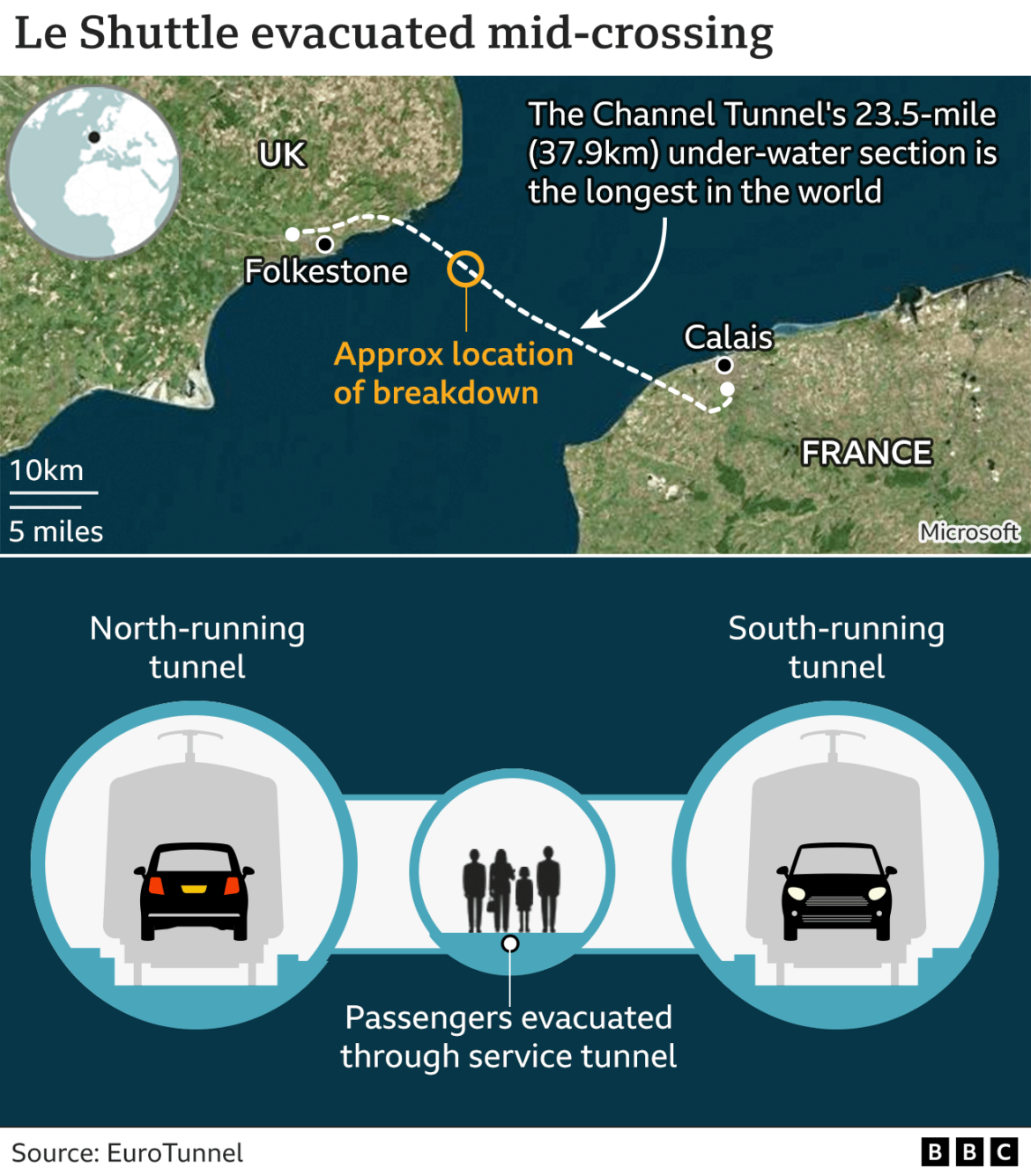
The Channel Tunnel, also known as the Eurotunnel, is a key piece of infrastructure connecting the United Kingdom and France beneath the English Channel. Opened in 1994, this engineering marvel spans approximately 31.4 miles and is considered one of the most significant transport links in Europe. Its importance has only grown in recent years, particularly in light of changing trade dynamics and travel patterns in a post-Brexit landscape.
Significance of the Channel Tunnel
The Channel Tunnel facilitates not just passenger travel but also freight transport, making it a crucial artery for trade between the UK and continental Europe. In 2022 alone, the tunnel facilitated the movement of over 1.7 million passengers and 1.6 million vehicles, showcasing its pivotal role in cross-border mobility. As businesses adapt to the realities of Brexit, the tunnel has become increasingly vital for companies seeking efficient transport routes for goods.
Recent Developments
The recent developments around the Channel Tunnel reflect diversifying demand and changing travel habits. According to a report from Eurotunnel, there has been a notable rise in freight transport via the tunnel, with figures showing a 10% increase compared to the previous year. This shift can be attributed to companies rerouting goods due to new customs regulations and seeking faster transit times compared to traditional shipping methods.
Furthermore, in the wake of the COVID-19 pandemic, the Channel Tunnel has implemented stringent health and safety measures to ensure passenger confidence. Enhanced cleaning protocols and social distancing measures have been introduced, maintaining its status as a safe travel option.
Challenges Ahead
Despite its significance, the Channel Tunnel faces several challenges, including rising operational costs and the increasing cost of upkeep for such a massive structure. Concerns about the environmental impact of increased transport and the potential for delays at border customs could also pose issues in the future.
Conclusion
As Europe navigates a transitional economic landscape, the Channel Tunnel is expected to remain an essential transport link facilitating trade and travel. With potential expansions or enhancements on the horizon, its role is poised to grow, further bridging the gap between the UK and Europe. For businesses and travellers alike, understanding the dynamics surrounding the Channel Tunnel will be crucial in adapting to the post-Brexit reality and capitalising on the changing patterns of transport and trade.