Introduction
The Confederation of African Football (CAF) is the governing body of African football, responsible for overseeing football competitions on the continent including the African Cup of Nations and club tournaments. Recently, the role of the CAF President has gained significant attention, particularly following the recent elections and subsequent policy shifts. This article examines the importance of the CAF President’s leadership and the implications for the future of African football.
Recent Developments
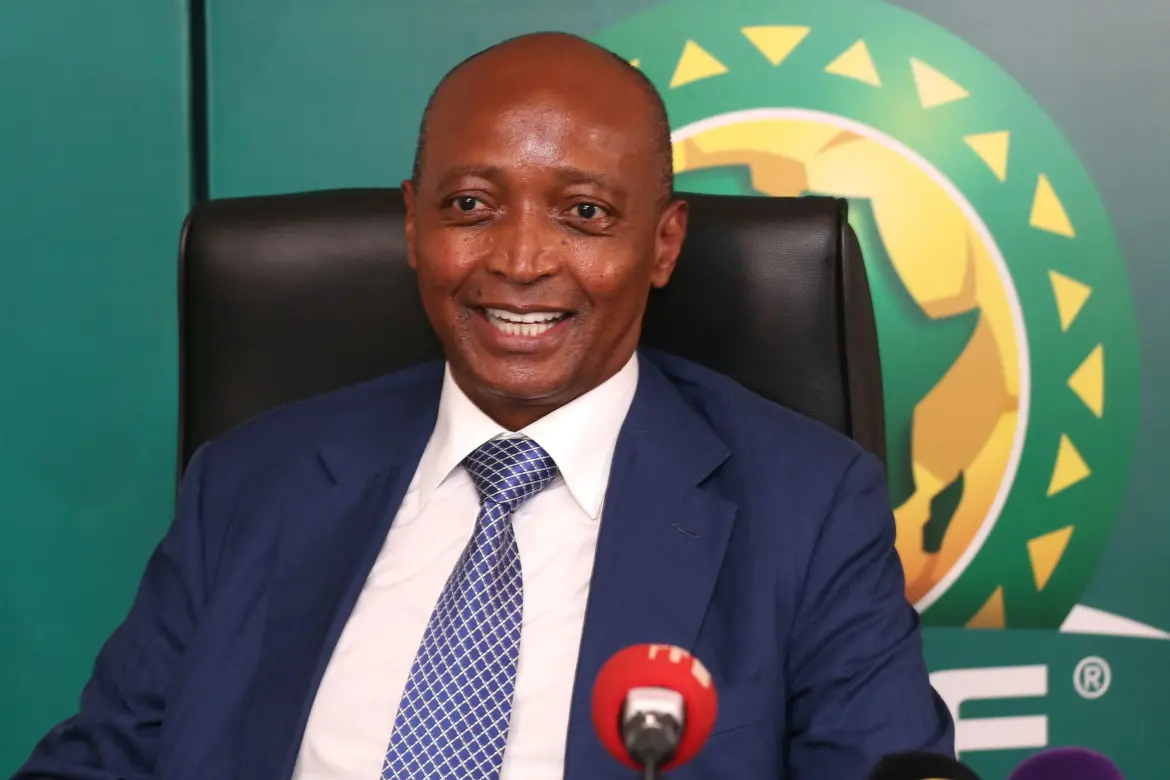
The current CAF President, Patrice Motsepe, was elected in March 2021 and has since focused on several key priorities including the development of youth football, enhancing infrastructure, and increasing financial stability within national football associations. Under his leadership, the CAF has introduced new initiatives aimed at promoting grassroots football and improving coaching standards across member nations. Moreover, Motsepe’s agenda has been to foster greater cooperation between African football associations and the continent’s football stakeholders.
Policy Changes
One of the significant policy changes introduced by the CAF President is the push for better governance within football bodies in Africa. This involves ensuring transparency in financial transactions and decision-making processes. The CAF has launched several programmes aimed at educating local football officials about governance standards. In addition, Motsepe has emphasised the importance of women’s football, advocating for improved funding and opportunities for female players and leagues throughout Africa.
Challenges Ahead
Despite these advancements, the CAF President faces numerous challenges, including ongoing issues of corruption within various national federations and the need for enhanced sponsorship and investment in African football. The continent’s football infrastructure remains behind that of other regions, which continues to hinder its growth potential. Addressing these challenges is crucial for the CAF President to achieve sustained development in African football.
Conclusion
As African football continues to evolve, the role of the CAF President is more vital than ever. With a firm commitment to development, governance, and inclusivity, Patrice Motsepe’s leadership can potentially redefine the landscape of football in Africa. Stakeholders across the continent are hopeful that the initiatives rolled out under his presidency will result in a stronger, more competitive football environment. The next few years will be crucial in determining the trajectory of African football, making it essential for fans and practitioners alike to stay informed and supportive of these endeavours.