Importance of the Tax Filing Deadline
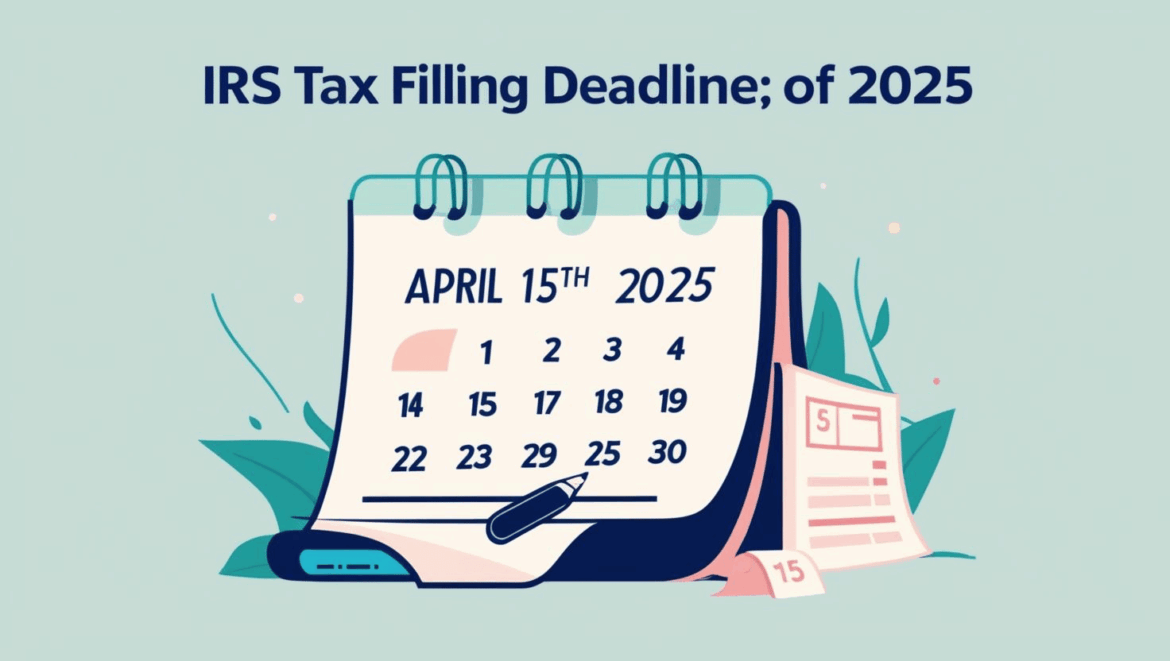
The tax filing deadline is a critical date for millions of individuals and businesses across the United Kingdom. It signifies the final day taxpayers can submit their Self Assessment tax returns and liability payments to HM Revenue and Customs (HMRC) without incurring any penalties. As the deadline approaches, understanding the implications and ensuring timely compliance becomes paramount.
Key Dates for Tax Filing in 2023
The tax filing deadline for the 2022/23 tax year is set for 31st January 2024. This date is particularly relevant for self-employed individuals, freelancers, and anyone else who opts out of PAYE (Pay As You Earn) and must file a tax return. Importantly, if taxpayers fail to meet this deadline, they may face an immediate £100 penalty, which could increase over time depending on the duration of the delay.
Preparation Steps for Tax Filers
To avoid last-minute stress, taxpayers are encouraged to start preparing their tax returns well in advance of the deadline. This includes gathering necessary documents such as income statements, receipts, and expenses. Ensuring that all records are organised and accessible can streamline the process and potentially minimise tax liabilities through eligible deductions. Businesses should also consider consulting with tax professionals to ensure compliance and explore various tax relief options.
Consequences of Missing the Deadline
Missing the tax filing deadline can result in significant financial consequences for individuals and businesses alike. Aside from the initial £100 penalty, additional fines may apply, including a percentage of the unpaid tax if the return is filed late. Furthermore, unpaid tax accumulates interest over time, leading to an unexpectedly high financial burden if not addressed promptly.
Conclusion
In conclusion, staying informed about the tax filing deadline for 2023 is crucial for taxpayers. Timely submission not only helps in avoiding penalties but also ensures compliance with legal obligations. As the deadline approaches, proactive preparation and organisation can make a notable difference, allowing taxpayers to meet their obligations effectively. Looking ahead, it is advisable for individuals and businesses to establish a routine for tax preparation to streamline future filing processes.