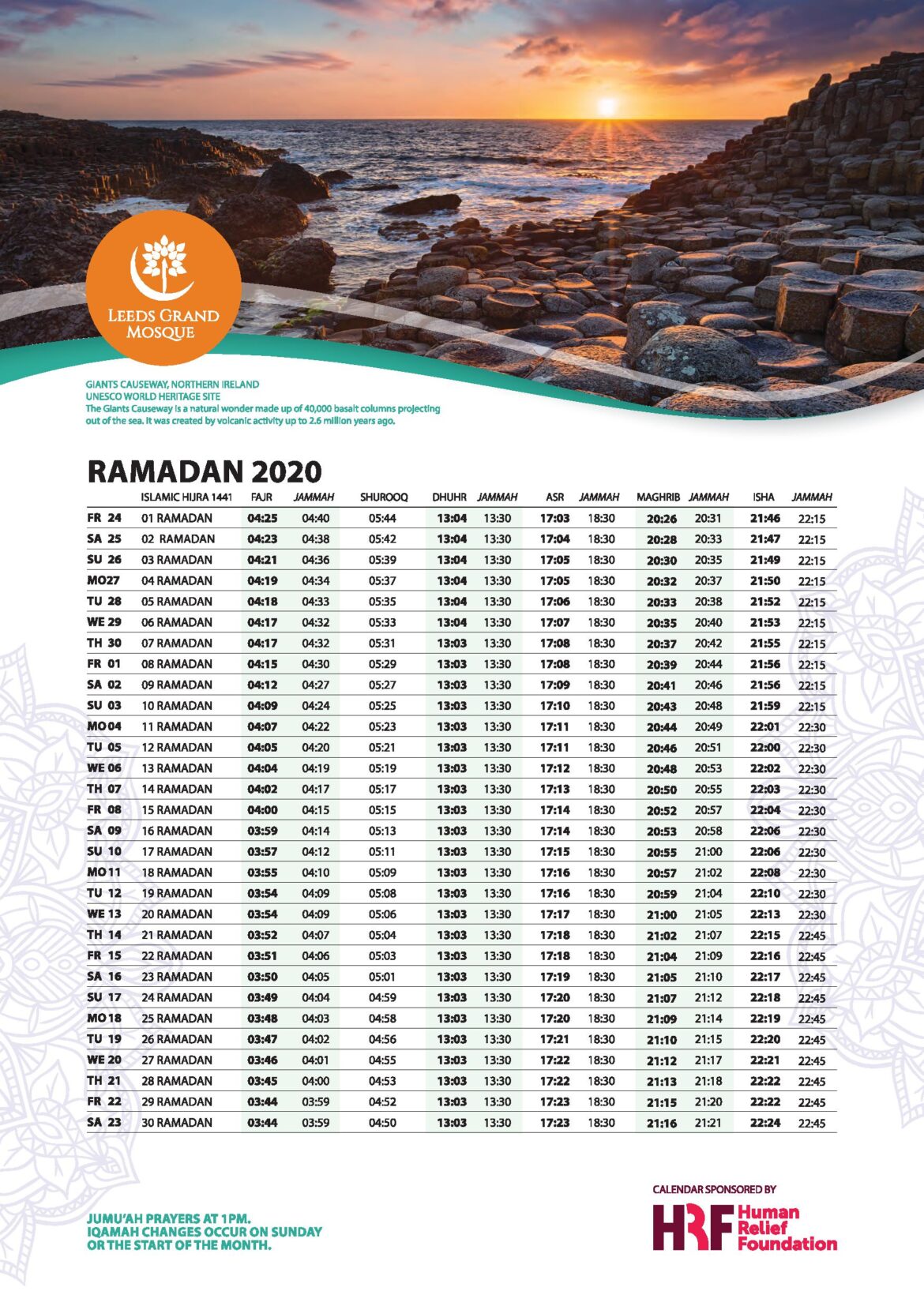
Introduction to Ramadan
Ramadan is the ninth month of the Islamic lunar calendar and holds significant importance for Muslims worldwide. This holy month is characterised by fasting, prayer, and reflection, serving as a time for spiritual growth, community, and devotion. With over a billion Muslims participating, Ramadan not only fosters a sense of unity among followers but also emphasises compassion and charity towards those in need.
Ramadan Practices and Traditions
The most notable practice during Ramadan is Sawm, or fasting, which lasts from dawn until sunset. Adult Muslims abstain from food, drink, smoking, and marital relations during daylight hours, a discipline intended to cultivate self-control and empathy towards the less fortunate. The fast is broken daily with a meal known as Iftar, often starting with dates and water, followed by a larger meal shared with family and friends.
In addition to fasting, prayer plays a central role during Ramadan. Muslims engage in increased prayers and recitation of the Quran, including a special nightly prayer called Tarawih, performed in congregation. The last ten nights of Ramadan are particularly significant, with many Muslims seeking Laylat al-Qadr, or the Night of Decree, believed to be when the Quran was first revealed to Prophet Muhammad.
Community Involvement and Charity
Charity, or Zakat, is an essential aspect of Ramadan. Muslims are encouraged to give to the less fortunate, supporting their communities and fostering a spirit of giving. Many choose to fulfil their annual Zakat obligations during this month, further enhancing the communal bonds and sense of responsibility towards society.
Conclusion: The Significance of Ramadan
As Ramadan approaches each year, the relevance of this month extends beyond individual spiritual growth. It serves as a reminder of the importance of unity, empathy, and social responsibility. With the ongoing challenges faced globally, including economic hardships and societal divisions, Ramadan presents an opportunity for Muslims to come together, support one another, and promote goodwill within their communities. The lessons learned during this sacred time can resonate throughout the year, fostering a commitment to charity, compassion, and collective harmony.