Introduction
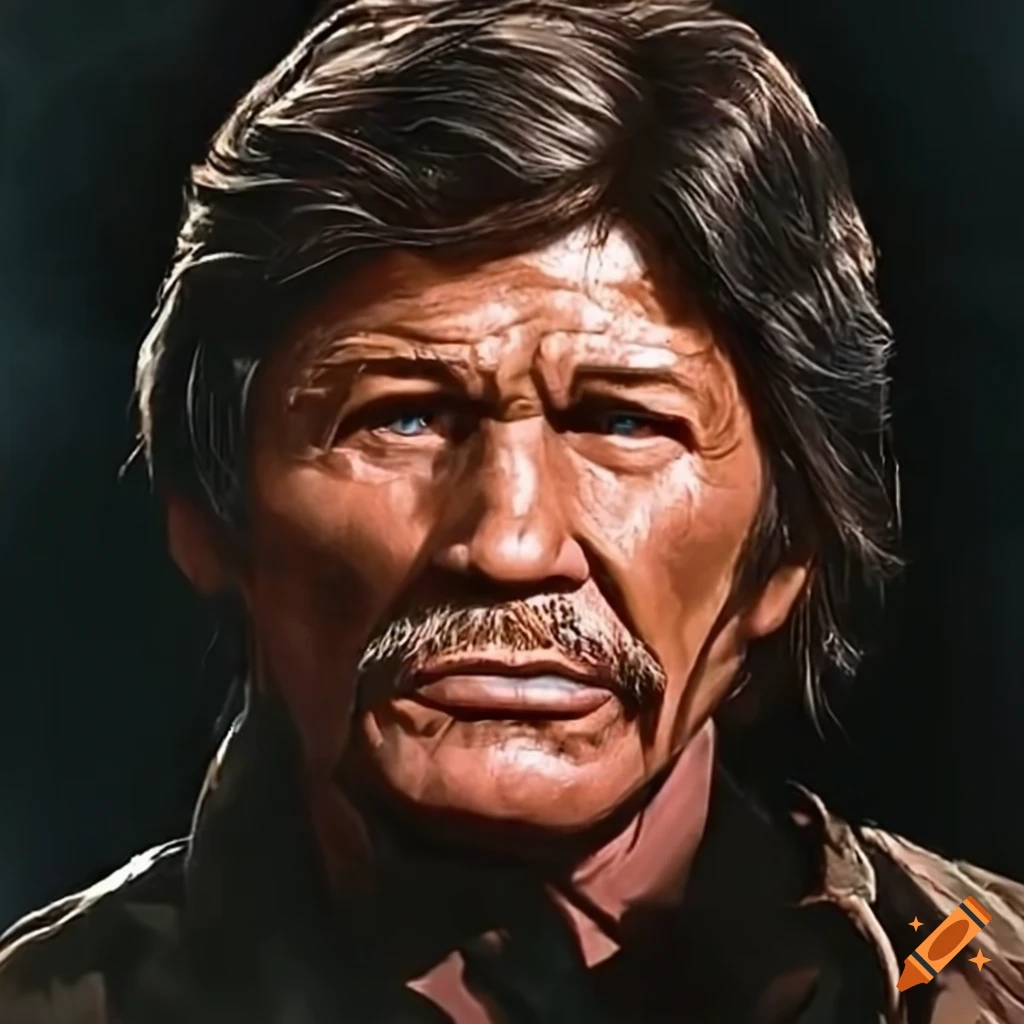
Charles Bronson, one of the most recognisable faces in American film, is renowned for his tough-guy persona and roles in action-packed films. His contribution to cinema spans several decades, making him a significant figure in Hollywood history. With a career that began in the 1950s, Bronson captured the essence of masculinity and resilience, especially during a transformative period in American culture. This article delves into his life, career, and lasting impact on the film industry.
Career Highlights
Born on November 3, 1921, in Ehrenfeld, Pennsylvania, Charles Bronson, originally named Charles Denis Buchinsky, faced a challenging early life. After serving in the U.S. Army during World War II, he pursued acting, which eventually led him to Hollywood. Despite initial struggles, Bronson gained prominence in the 1960s, particularly with his role in the film ‘The Magnificent Seven’ (1960). He then solidified his fame through iconic films such as ‘Death Wish’ (1974), where he portrayed Paul Kersey, a vigilante seeking justice for his family.
Bronson’s collaboration with director Michael Winner on the ‘Death Wish’ series positioned him as a symbol of vigilante justice, resonating with audiences during times of social unrest in the U.S. His distinct style, heavy brow, and commanding presence, combined with intense performances, made him a beloved and enduring figure in the action genre. Other noteworthy films include ‘The Great Escape’ (1963), ‘Once Upon a Time in the West’ (1968), and ‘The Stone Killer’ (1973), reflecting his versatility and appeal across various narratives.
Legacy and Impact
Charles Bronson’s influence extends beyond his films. He epitomises the archetypal American hero, often portrayed as a lone warrior standing against systemic injustice. His roles have influenced numerous filmmakers and actors, shaping the conventions of the action genre, especially regarding themes of revenge and personal morality.
Interestingly, Bronson’s image has also been adopted in popular culture, often being referenced in contemporary films, television shows, and even memes. His persona continues to inspire new generations of filmmakers and audiences alike.
Conclusion
Charles Bronson passed away on August 30, 2003, but his legacy lives on. His work has not only entertained millions but has also sparked important conversations about justice, morality, and the human condition. As the film industry evolves, Bronson’s influence remains significant, reminding audiences of the powerful storytelling inherent in action cinema. His life story, paralleling the American Dream, serves as a reminder of perseverance, talent, and the undying allure of the silver screen.