The Importance of Solar Eclipses
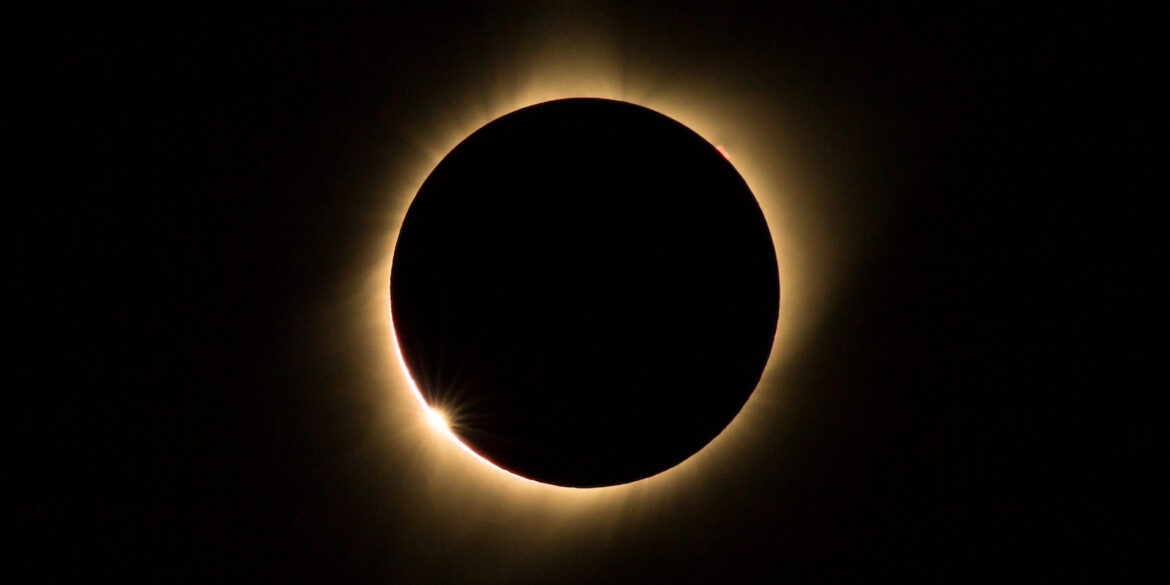
Solar eclipses capture the fascination of science enthusiasts and the general public alike. These celestial events occur when the Moon passes between the Earth and the Sun, blocking out the Sun’s light either partially or fully. The ability to witness a solar eclipse can serve as a profound reminder of the universe’s beauty and complexity, making them significant not only in astronomical research but also in cultural and historical contexts.
Recent Events and Observations
The last total solar eclipse occurred on April 20, 2023, and was visible in parts of Australia and Indonesia, with observers gathering in locations for optimal viewing. According to NASA, this eclipse provided a remarkable opportunity for scientists to study the Sun’s corona as well as the earth’s atmospheric changes that occur during such events. Astronomers around the world utilized this occasion to enhance public understanding of celestial mechanics and solar behaviour.
Looking ahead, a total solar eclipse is expected to occur in North America on April 8, 2024. This event has generated a surge in interest, with communities along the eclipse’s path preparing for an influx of visitors eager to experience the phenomenon. Local governments are coordinating events to promote science education and tourism.
Scientific Significance
Beyond the spectacle, solar eclipses provide valuable scientific insights. For instance, the study of solar eclipses has played a crucial role in advancing our understanding of the Sun’s structure and behaviour. During a total solar eclipse, the Sun’s corona can be observed, offering clues to its magnetic field and temperature, which is significantly hotter than the surface of the Sun. Researchers anticipate that upcoming eclipses will continue to contribute to solar physics, aiding in the prediction of solar storms that can impact technology on Earth.
Conclusion and Key Takeaways
Solar eclipses are not just stunning visual events; they hold historical, cultural, and scientific significance. As we look forward to the next total solar eclipse in 2024, it is an excellent opportunity for individuals and communities to engage with astronomy and science. Observers should take the necessary precautions to safely view the phenomenon, ensuring that they don’t miss this extraordinary celestial occurrence. The continuing interest and research prompted by solar eclipses also highlight the importance of education in the sciences, encouraging future generations to explore the wonders of the universe.