Introduction
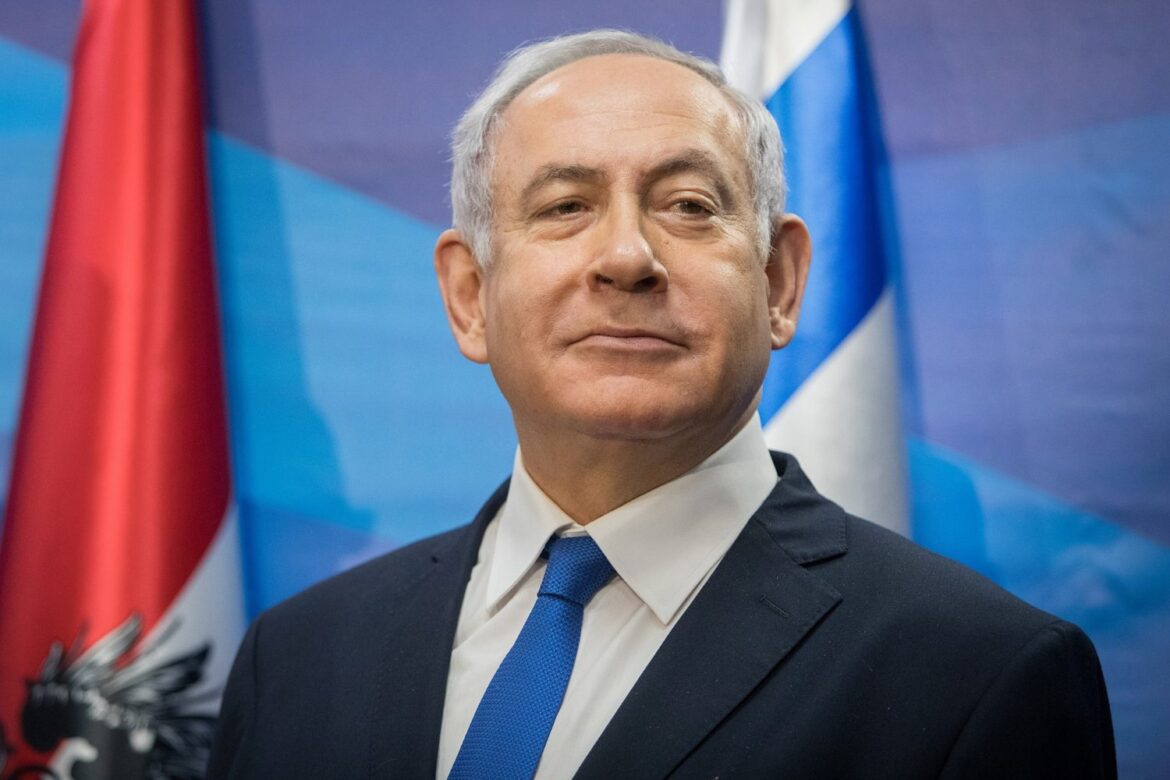
Benjamin Netanyahu, Israel’s Prime Minister, has long been a prominent figure in Israeli politics. His leadership has shaped the nation’s policies and international relations for decades. As of 2023, Netanyahu finds himself navigating a particularly tumultuous political landscape, marked by challenges both domestically and on the international stage. Understanding the current dynamics around Netanyahu is crucial for grasping future implications for Israel.
Recent Developments
In recent months, Netanyahu’s government has faced significant opposition from various sectors of Israeli society. Protests have erupted regarding judicial reforms that many perceive as an attempt to undermine democratic checks and balances. These proposed changes have sparked widespread dissent, with thousands taking to the streets, demanding transparency and accountability from their leaders.
Additionally, Netanyahu’s coalition government is strained, primarily due to the divergent interests among its partners. The coalition, which includes a mix of right-wing and ultra-Orthodox parties, has seen fractures as disagreements over policy directions become pronounced. The recent tensions have raised concerns about the stability of Netanyahu’s leadership, with potential implications for upcoming elections.
International Relations
On the international front, Netanyahu’s administration has been navigating complex relations, particularly concerning the ongoing conflict with Palestine and the broader Arab world. His efforts to foster peace agreements have been challenged amid rising tensions in the region. The Abraham Accords, which aimed to normalise relations between Israel and several Arab nations, are being tested as regional dynamics shift.
Moreover, Netanyahu’s relationship with the Biden administration has also come under scrutiny, particularly with differing views on the Israeli-Palestinian conflict and Iran’s nuclear ambitions. This has highlighted the importance of diplomacy and strategic alliances as Netanyahu seeks to maintain Israel’s security and international standing.
Conclusion
As 2023 unfolds, Netanyahu’s political career remains a focal point of interest within Israel and the wider geopolitical landscape. The dual challenges of domestic unrest and intricate international relations will play pivotal roles in shaping Netanyahu’s future. Observers of Israeli politics are keenly watching to see how he addresses these issues and whether his leadership can withstand the current pressures. Given these significant factors, the coming months are critical for Netanyahu’s administration, with potential ramifications for both Israel’s domestic policies and its role in international affairs.