Introduction
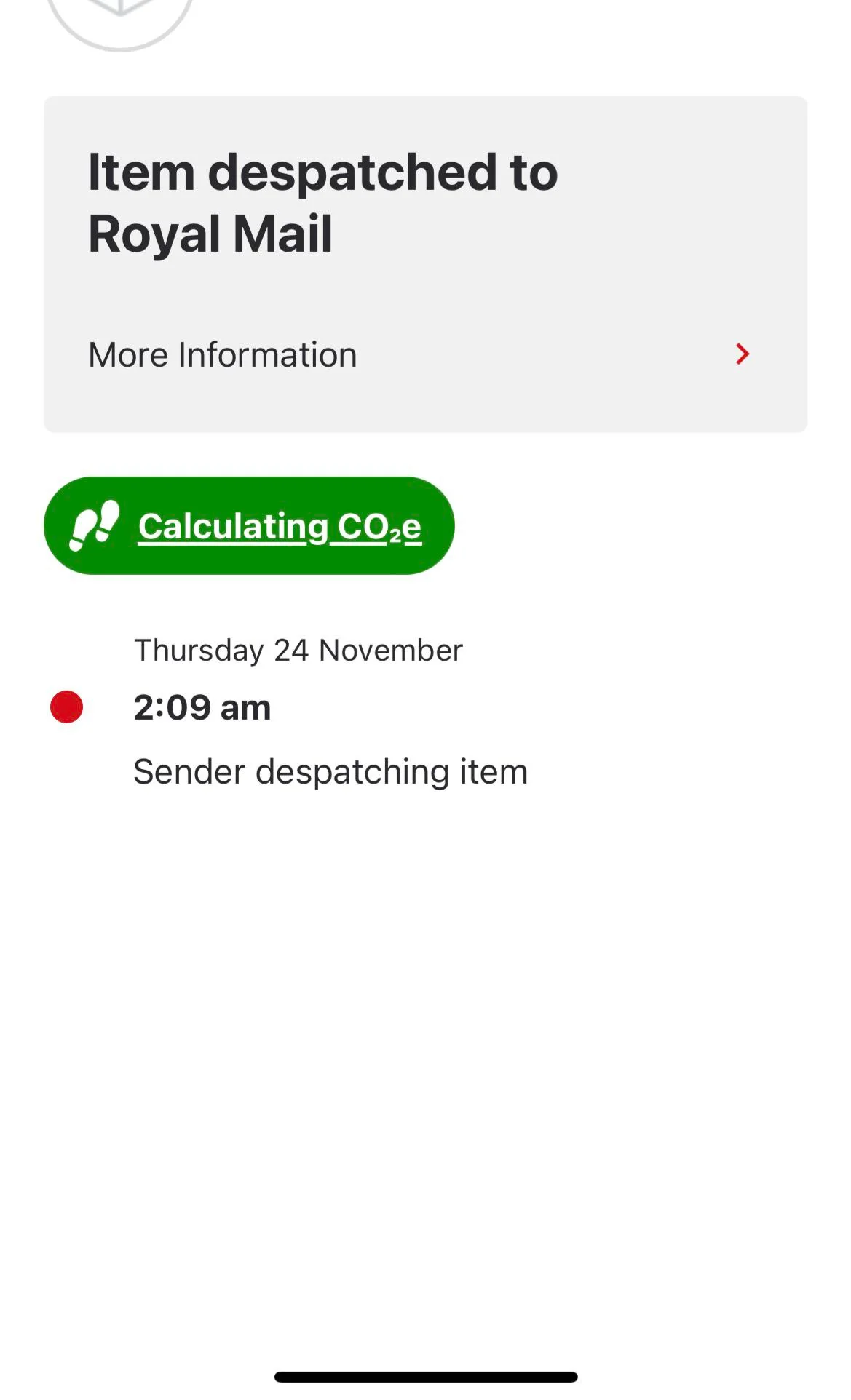
In recent weeks, Royal Mail has faced significant delays in its mailing and parcel services, causing frustration among consumers and businesses alike. This issue has garnered considerable attention as it directly affects the efficiency of postal services across the United Kingdom. With the increasing reliance on timely delivery for both personal and commercial transactions, understanding the root causes and implications of these delays is crucial for consumers and stakeholders.
Current Situation
The delays reported by Royal Mail are attributed to a combination of factors, including staffing shortages, increased parcel volumes due to the holiday season, and ongoing challenges from the COVID-19 pandemic. As shopping habits shifted towards online purchases, the postal service has experienced an inevitable surge in mail volume, further straining its operations.
According to recent data, there has been a rise of 30% in parcel deliveries compared to the previous year. This spike, coupled with a shortage of delivery personnel—exacerbated by ongoing recruitment challenges—has led to extended delivery windows, with many customers reporting waiting times of up to a week for packages that normally arrive within a couple of days.
Consumer Reactions
Public response to the delays has been mixed, with many expressing their dissatisfaction via social media platforms and consumer feedback forums. Businesses, particularly small retailers who rely heavily on prompt deliveries, have also voiced their concerns. Some have reported a dip in customer satisfaction and potential losses due to delayed shipments during a peak shopping period.
Royal Mail’s Response
In response to the growing backlash, Royal Mail has issued statements assuring customers that they are working diligently to resolve the issues at hand. The company has implemented measures such as overtime for existing staff and temporary agency workers to help manage the additional workloads. Furthermore, they have committed to enhancing communication with their customers regarding delivery times and service expectations.
Conclusion
The delays faced by Royal Mail serve as a reminder of the complexities involved in postal services, especially during peak times. As the company strives to address these challenges, it remains vital for consumers to stay informed about their service options and potential impacts on deliveries. Looking ahead, ongoing monitoring of this situation will be important, and the effectiveness of Royal Mail’s response will likely shape customer trust and its reputation in the marketplace moving forward.