Introduction
Vitamin D, often referred to as the “sunshine vitamin”, plays a crucial role in maintaining overall health and wellbeing. It is vital not just for bone health but also for immune function, mental health, and reducing the risk of chronic diseases. Given the increasing prevalence of vitamin D deficiency, particularly in regions with limited sunlight exposure, understanding the importance of this nutrient has never been more relevant.
Vitamin D: What You Need to Know
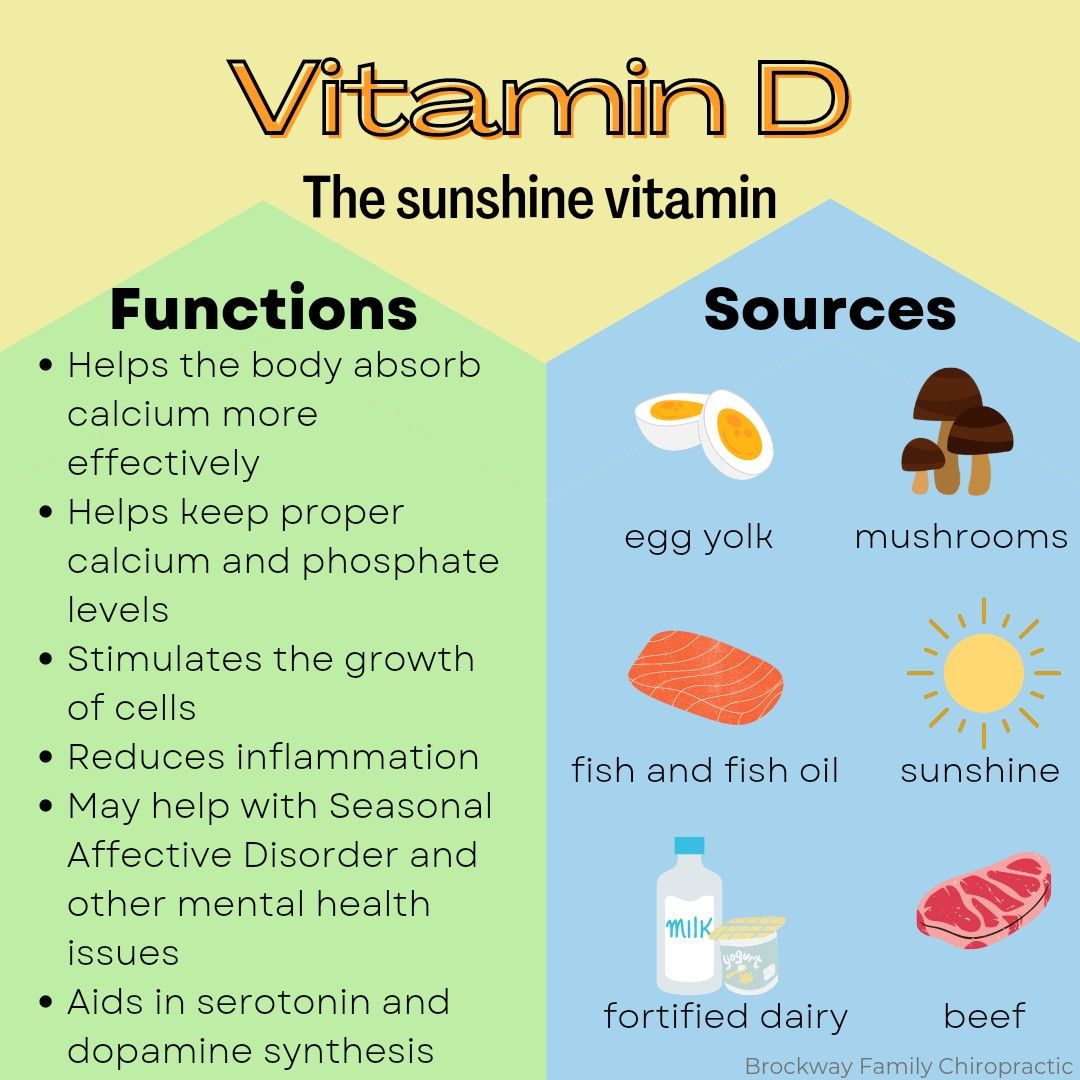
Vitamin D can be obtained through sun exposure, certain foods, and supplements. The body synthesizes vitamin D when the skin is exposed to sunlight, specifically UVB rays. However, factors such as geographical location, season, skin pigmentation, and lifestyle can significantly influence vitamin D synthesis. For individuals residing in cloudy climates or those who spend limited time outdoors, dietary sources become increasingly important.
Common food sources of vitamin D include fatty fish (like salmon and mackerel), fortified dairy products, egg yolks, and mushrooms exposed to UV light. However, despite these sources, many people remain deficient. Recent studies indicate that approximately 1 billion people worldwide are vitamin D deficient, making it a public health concern.
Health Benefits of Vitamin D
Research has linked adequate vitamin D levels to various health benefits. It supports calcium absorption, making it essential for maintaining healthy bones and teeth. Deficiency in vitamin D has been associated with an increased risk of osteopenia and osteoporosis.
Beyond bone health, vitamin D is crucial for immune function. A study published in the “Journal of Clinical Endocrinology & Metabolism” found that higher levels of vitamin D were associated with a reduced risk of respiratory infections and other autoimmune diseases. Furthermore, emerging research suggests that vitamin D may play a protective role against certain cancers and may even contribute to improved mental health.
Conclusion
As awareness of the benefits of vitamin D continues to grow, individuals must take proactive steps to ensure adequate levels. This may involve getting more sunlight, eating vitamin D-rich foods, and considering supplements if necessary, particularly during the winter months or for those with limited sun exposure. Health authorities recommend a daily intake of 600 to 800 IU (International Units) for most adults, but individual needs may vary.
As public health campaigns increasingly focus on nutritional deficiencies, vitamin D should be a priority in discussions about overall health and wellbeing. Given its substantial impact on multiple body systems, ensuring adequate vitamin D levels can lead to significant improvements in health outcomes and quality of life.