Introduction
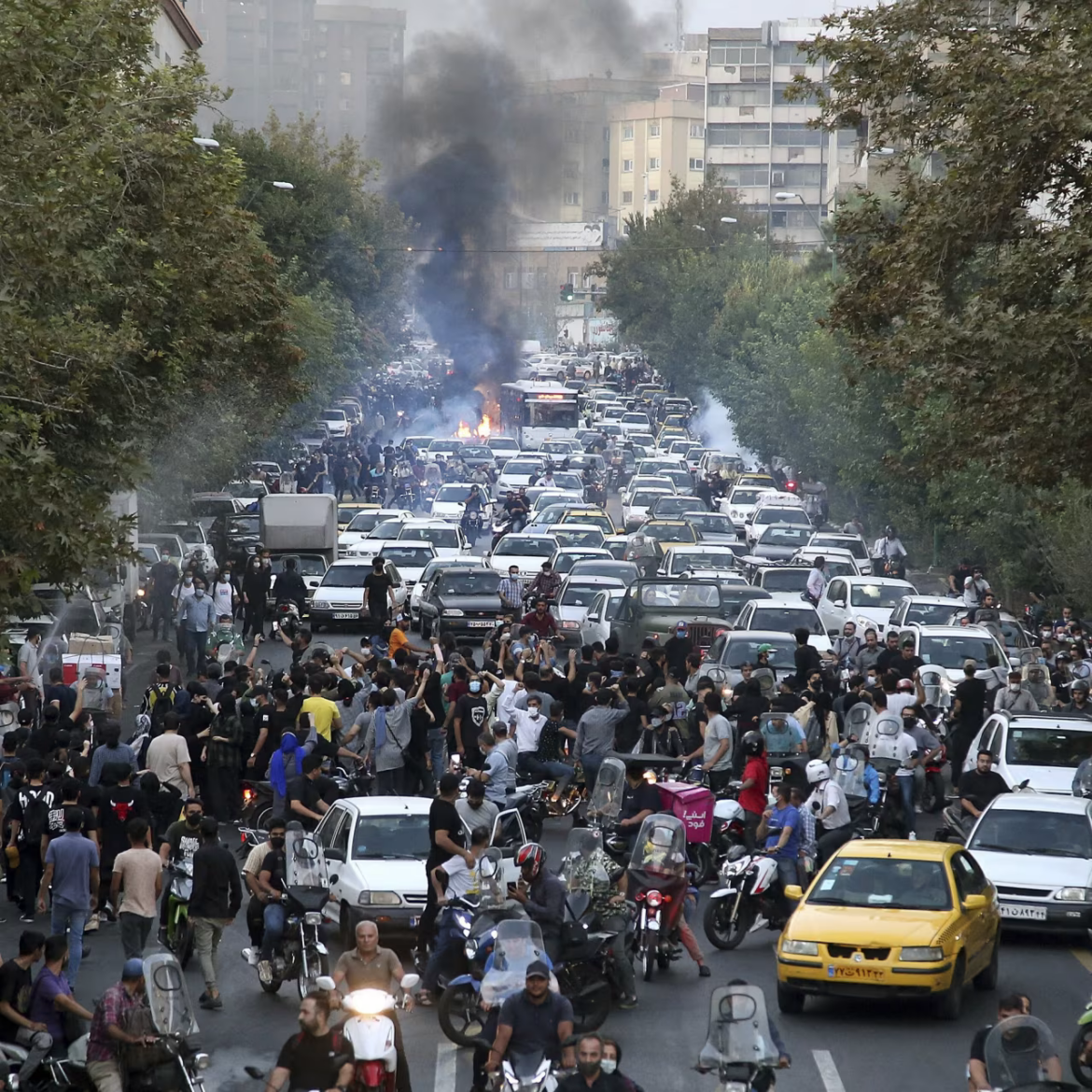
The ongoing protests in Iran represent a significant moment in the nation’s history, reflecting widespread discontent and a desire for reform. Triggered by various factors, including social injustices and economic struggles, these demonstrations highlight the citizens’ frustrations and aspirations. As the protests escalate, their importance grows not only for the Iranian populace but also for global observers interested in human rights and geopolitical stability.
Background of the Protests
The protests began in mid-September 2022 following the death of Mahsa Amini, a 22-year-old Kurdish woman who died after being detained by the morality police for allegedly violating Iran’s strict dress code. Her death ignited outrage across the country and became a catalyst for a broader movement advocating for women’s rights and social freedoms. Demonstrators have since addressed a host of other grievances, including government repression, high unemployment rates, rising inflation, and calls for democracy.
Recent Developments
In 2023, the protests have taken on new dimensions, with significant gatherings reported in major cities such as Tehran, Isfahan, and Shiraz. Reports indicate that protesters have faced significant crackdowns by security forces, including violent responses and mass arrests. Internationally, various human rights organisations have condemned these actions, urging the Iranian government to respect the right to peaceful assembly and freedom of expression. Political analysts observe that the continuity of these protests could signal a turning point in Iranian society, with more citizens willing to challenge the status quo.
Global Response
Internationally, the response to the Iran protests has been mixed. Some countries, particularly in the West, have used the protests as an opportunity to criticise the Iranian regime and impose sanctions against key figures linked to human rights abuses. Meanwhile, other nations have adopted a more cautious approach, advocating for dialogue over confrontation. Amid conflicting narratives, the protesters seek solidarity from the international community, highlighting the need for support in their fight for justice.
Conclusion
The ongoing Iran protests reflect a deeper societal need for change and represent a pivotal moment in the country’s struggle for reform. As the situation develops, there is potential for the movement to gain momentum, perhaps leading to significant changes in Iran’s political landscape. The international community must remain vigilant and responsive to the voices emerging from Iran, recognising that the quest for justice and equality resonates beyond borders and echoes global aspirations for human rights.