The Importance of Senegal
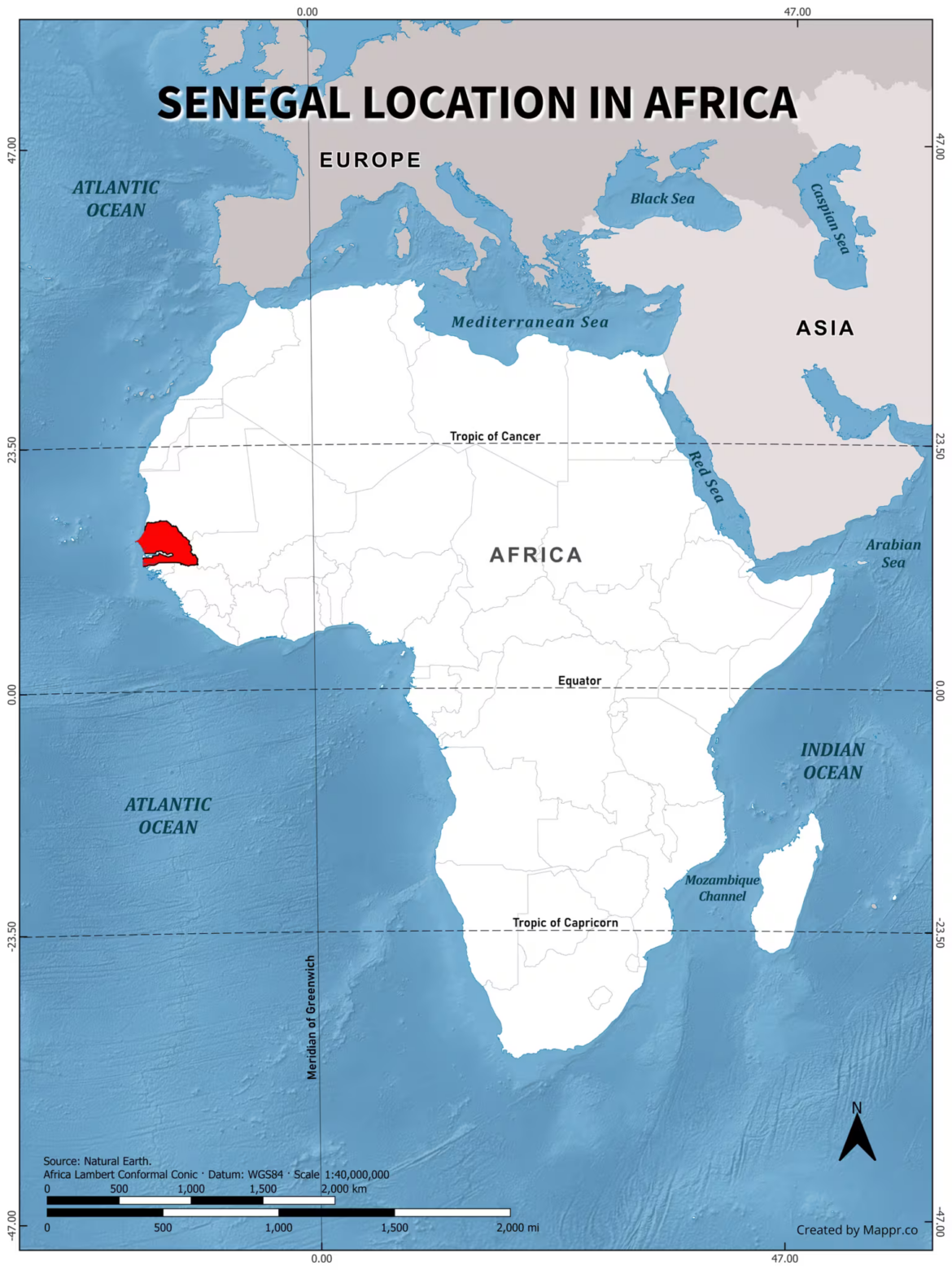
Senegal, located on the westernmost tip of Africa, holds significant cultural and economic relevance for the region. Known for its rich history, diverse cultures, and robust economic growth, the country is a key player in West African affairs. This article explores the various aspects of Senegal that make it a noteworthy destination for tourists and investors alike.
Cultural Richness
Senegal is renowned for its vibrant cultural scene, characterised by music, art, and cuisine. The country is the birthplace of famous musicians like Youssou N’Dour and is home to the annual Dakar Music Festival, celebrating various genres of music that reflect the country’s diverse heritage. Furthermore, Senegal’s traditional art, especially the intricate weaving of textiles and the stunning carvings of Senegalese artisans, have gained international recognition.
Gorée Island: A UNESCO World Heritage Site
One of the most visited historical sites in Senegal is Gorée Island, a UNESCO World Heritage Site. The island serves as a poignant reminder of the historical slave trade and is home to the House of Slaves, which stands as a memorial to the resilience of the African spirit. Visitors flock to Gorée Island to learn about its history and reflect on the legacy of the past, which still resonates deeply in modern Senegalese society.
Economic Developments
Senegal’s economy has shown resilience and adaptability, driven by sectors such as agriculture, mining, and tourism. The country is one of Africa’s top producers of peanuts and phosphates, leading to significant economic contributions from these industries. Moreover, Senegal has invested heavily in infrastructure, with new developments in transportation and energy sectors aimed at boosting economic growth and attracting foreign investments.
Tourism Growth
The tourism sector is experiencing growth, with efforts to diversify the offerings beyond the beaches of Dakar and Saly. The Senegalese government is promoting eco-tourism and cultural tourism, encouraging visitors to explore the vast natural reserves such as Niokolo-Koba National Park and to participate in local traditions and festivals. In recent years, travel restrictions brought on by the COVID-19 pandemic have eased, leading to a steady recovery in the tourism industry.
Conclusion
Senegal, with its rich cultural heritage and burgeoning economy, is poised to become an influential hub in West Africa. As more tourists discover its beauty and investors recognise its potential, the country is set for a promising future. For those looking to explore a vibrant nation that beautifully marries tradition and modernity, Senegal presents an ideal choice, making it one of the most captivating destinations on the African continent.