Introduction
In recent years, the term ‘ultra processed foods’ has gained significant attention among health professionals and consumers alike. With a growing body of research highlighting the potential health risks associated with these products, understanding their prevalence in our diets is more crucial than ever. Ultra processed foods, often characterised by their long ingredient lists and high levels of sugars, unhealthy fats, and additives, are now a staple in many households. This article delves into the implications of consuming ultra processed foods and why it matters.
The Definition and Examples
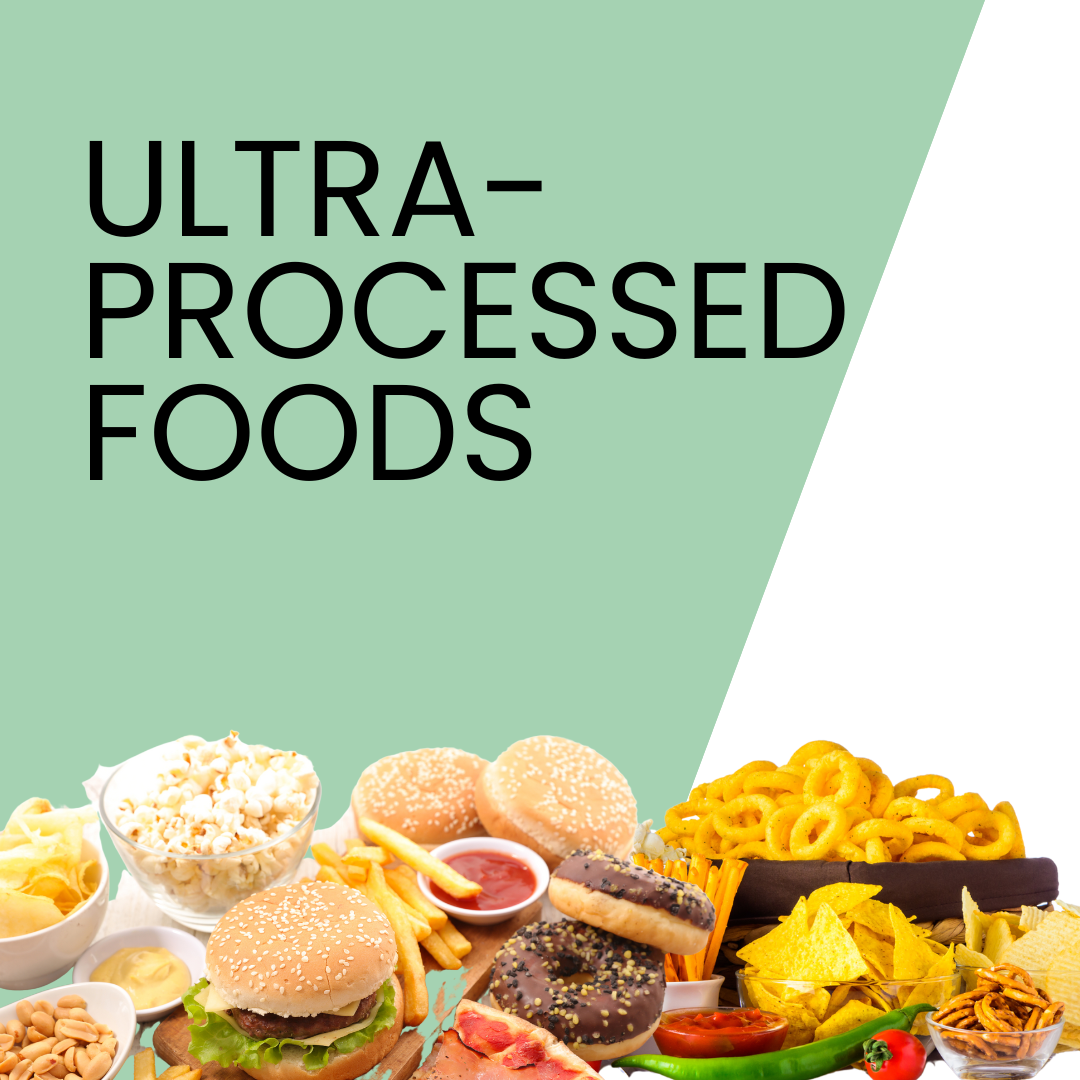
Ultra processed foods are defined by the Food and Agriculture Organization (FAO) as products that are industrially formulated using substances derived from foods or that contain little or no whole foods. This category includes items such as sugary drinks, packaged snacks, instant noodles, and reconstituted meat products. Studies have shown that the consumption of such foods is linked to numerous health issues, including obesity, diabetes, and cardiovascular diseases.
The Current Situation
According to the latest reports from the National Health Service (NHS) and other health agencies, ultra processed foods account for over 50% of the average diet in the UK. This shift towards convenience has been largely driven by busy lifestyles and the aggressive marketing of these products. A recent survey indicated that 60% of the population consumes ultra processed foods daily, raising concerns about nutritional quality and long-term health outcomes.
Health Implications
The impact of ultra processed foods on health cannot be overlooked. Research published in the British Journal of Nutrition suggests that higher consumption of ultra processed foods is associated with increased risk of obesity and related conditions. Furthermore, these foods often replace more nutritious options, leading to deficiencies in essential vitamins and minerals. Nutritionists recommend focusing on whole, minimally processed foods to combat these trends and promote better health.
Conclusion
The growing reliance on ultra processed foods presents a significant public health challenge. Awareness and education about the risks associated with these products are vital for informing consumers and guiding healthier choices. As more individuals seek to improve their diets, it’s essential for health organisations to highlight practical strategies for reducing ultra processed food intake and fostering a culture of well-being. By prioritising whole foods, we can aim for a healthier future and mitigate the potential health crises linked to ultra processed foods.