Introduction
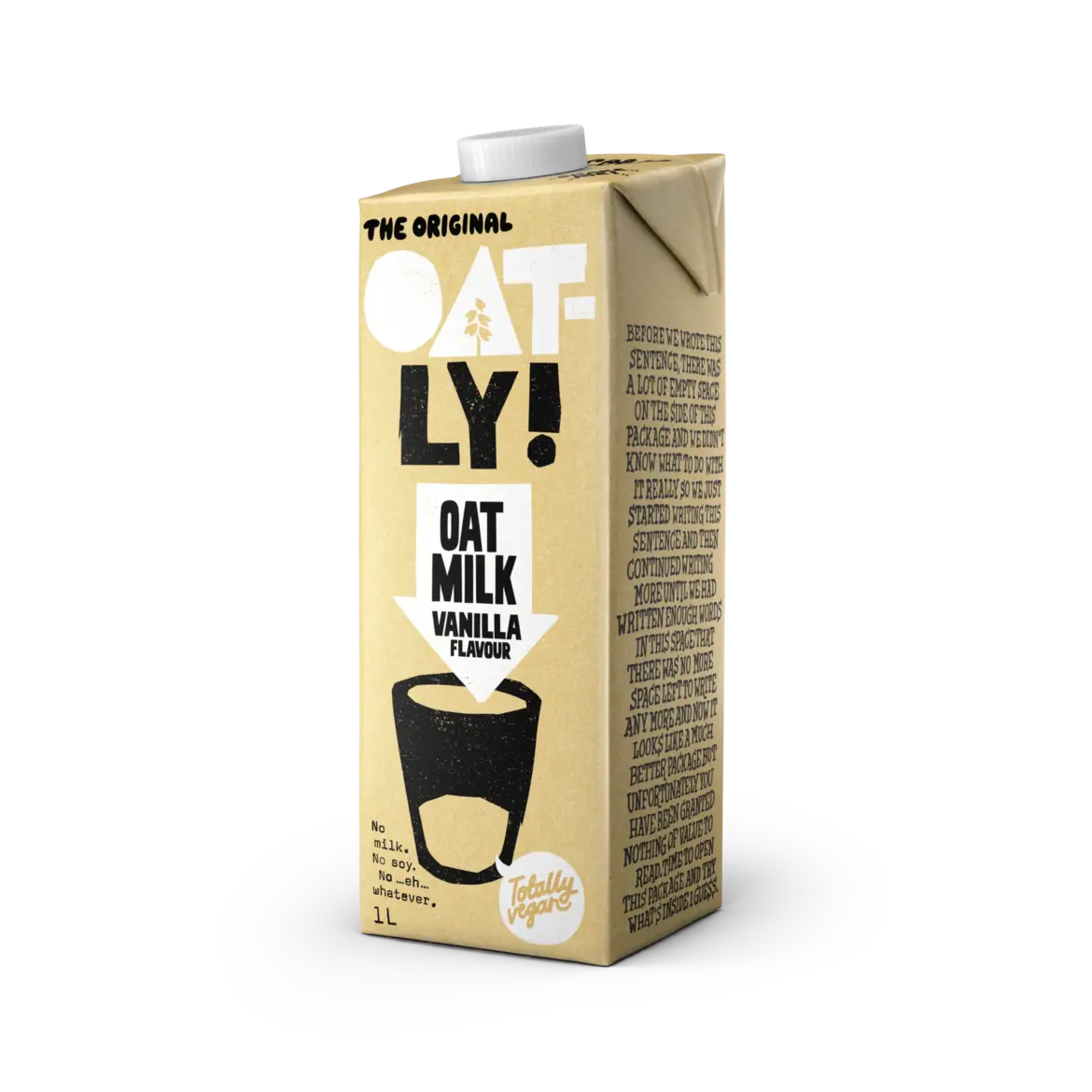
In recent years, the demand for plant-based milk alternatives has surged, with Oatly oat milk leading the charge in the United Kingdom. The growing concern for environmental sustainability and health-conscious choices amongst consumers has made oat milk, particularly Oatly, an appealing option. Oatly, a Swedish brand founded in the 1990s, has carved out a significant market share due to its unique production methods and branding strategies.
The Oatly Success Story
Oatly began its journey with a mission to offer a dairy-free alternative derived from oats. The brand’s formulation process involves enzymatically breaking down oat starches, enabling a creamy texture that closely resembles cow’s milk. As of late 2023, Oatly’s sales figures have reported a remarkable rise, with an increase of 30% in the UK alone, affirming its status as a prominent player in the dairy alternatives sector.
Health and Environmental Considerations
Health benefits have contributed to Oatly’s popularity. The oat-based drink is rich in beta-glucans, known for their cholesterol-lowering properties, and generally lower in fat than dairy. Moreover, Oatly boasts a lower carbon footprint than traditional dairy milk—using 80% less water and reducing related greenhouse gas emissions significantly during production.
Current Trends and Events
The UK’s dietary shift towards plant-based options is reflected in various food trends, such as veganism and flexitarianism. Oatly have capitalised on this shift by expanding its product range to include barista editions, cooking cream, and even ice cream. Recently, Oatly faced challenges with supply chain disruptions, yet it has strategically managed to ensure consistent availability in stores across the country. Furthermore, the brand launched a marketing campaign focusing on sustainability, touching on themes of eco-friendliness and personal health, attracting a diverse customer base.
Conclusion
As Oatly oat milk continues to gain traction in the UK market, expectations are high for further innovations and expansions within the plant-based sector. Interest in healthier, sustainable alternatives is expected to keep rising, ensuring Oatly remains relevant. For consumers, Oatly not only presents a nutritious choice but also aligns with a growing desire to make eco-conscious decisions in their food choices. The future looks promising for Oatly, as it strengthens its position in a competitive market while catering to evolving consumer demands.