Introduction to Non-Fungible Tokens
Non-fungible tokens (NFTs) have surged into the limelight over the past few years, transforming the landscape of digital ownership and assets. Unlike traditional cryptocurrencies such as Bitcoin or Ethereum, which are fungible and can be exchanged one-for-one, NFTs are unique digital items that represent ownership of specific assets, often tied to art, music, and collectibles. The significance of NFTs lies in their ability to provide a secure method of verifying ownership and provenance of digital content, making them a game-changer in various industries.
Current Developments in the NFT Market
In 2023, the NFT market continues to evolve with more robust applications across various sectors. Major brands, artists, and even sports franchises are embracing NFTs to engage their audiences in innovative ways. For instance, some music artists are now releasing exclusive tracks as NFTs, allowing fans to own a piece of their favourite artists’ work, while sports leagues are offering NFTs of highlight plays and virtual collectibles for enthusiasts.
Recent reports have indicated that the NFT marketplace has seen a resurgence in activity after a brief slowdown in 2022. According to NonFungible.com, the total sales volume of NFTs skyrocketed to over $1 billion in the first quarter of 2023 alone, indicating a renewed interest from both investors and collectors. This resurgence can be attributed to a combination of lower entry costs and an increasing recognition of NFTs as valid avenues for investment.
Challenges and Future Perspectives
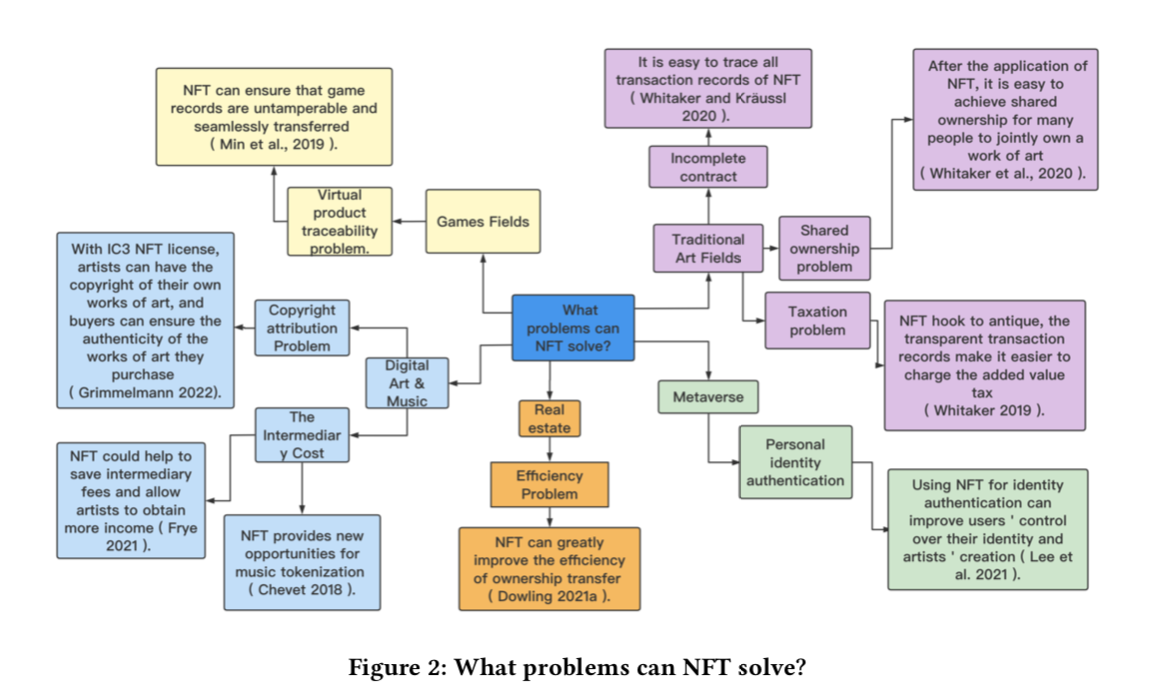
Despite the positive trends, the NFT market is not without challenges. Concerns surrounding copyright infringement, environmental impact, and regulatory frameworks continue to linger. Critics highlight that many NFT platforms fail to adequately address issues of artists’ rights, leading to unauthorized sales of their works. Moreover, the environmental impact of blockchain technologies used to mint NFTs raises questions about the sustainability of the sector.
Looking forward, experts predict that as technology evolves, the integration of NFTs will expand beyond digital art and collectibles. In particular, the gaming industry appears poised to adopt NFTs further, allowing players to truly own in-game assets. Furthermore, legal systems worldwide may eventually react to the NFT market’s growth, establishing the necessary regulations that will foster a safer trading environment.
Conclusion: The Significance of NFTs
Non-fungible tokens are revolutionising the concept of ownership in the digital realm. Their ability to authenticate and give value to digital assets is reshaping various industries, making them an important topic to watch for investors, creators, and consumers alike. As NFTs gain further traction, it will be interesting to observe how they integrate into mainstream markets and what regulatory measures emerge to support their growth.