Introduction
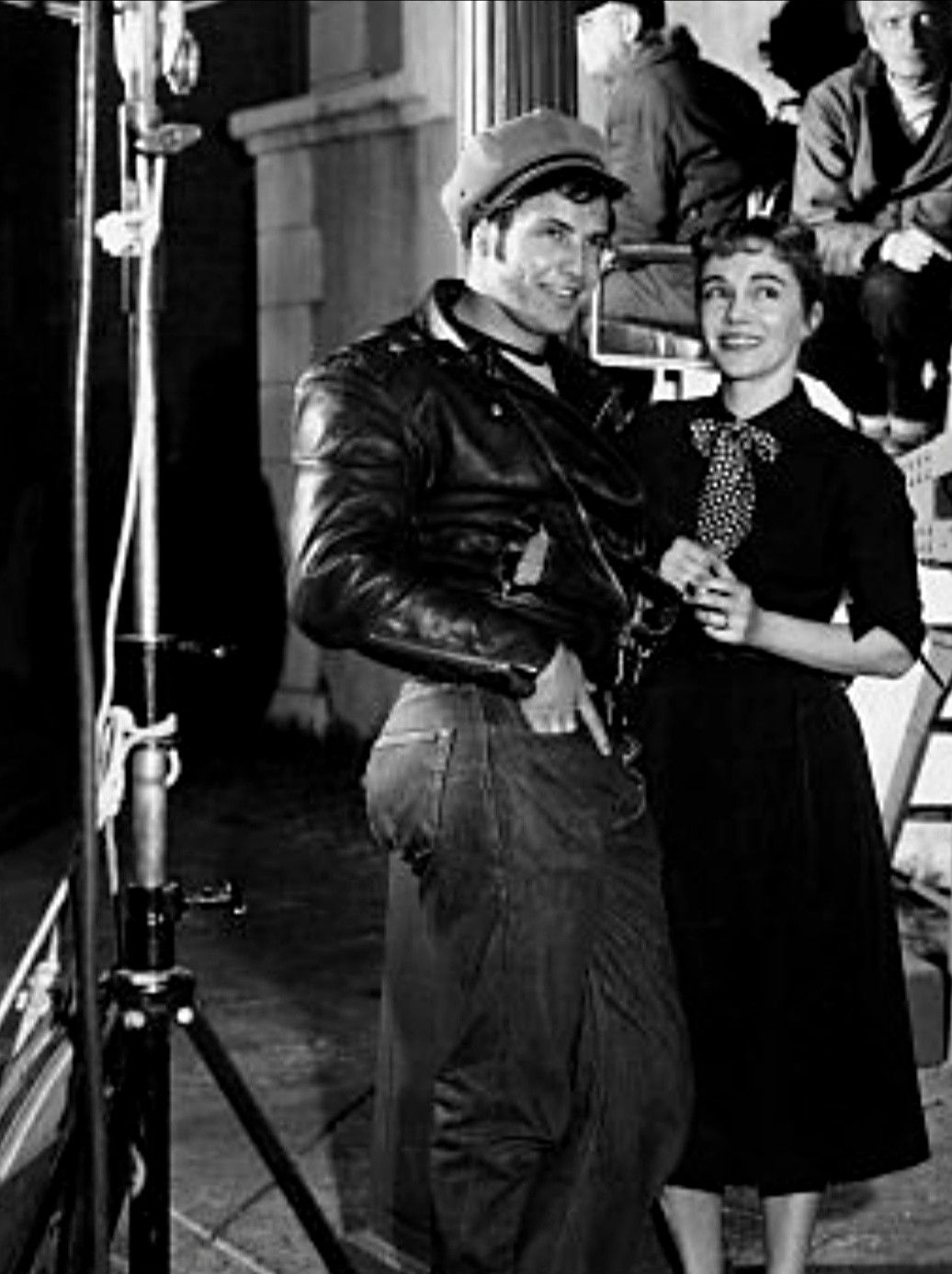
Marlon Brando, often hailed as one of the most influential actors in the history of cinema, transformed the art of acting and left an indelible mark on Hollywood. His innovative techniques and powerful performances changed the landscape of film, inspiring countless actors and filmmakers. As discussions around his contributions and controversies arise, understanding Brando’s significance in the film industry becomes more relevant than ever.
Pioneering Methods and Iconic Roles
Born on April 3, 1924, in Omaha, Nebraska, Marlon Brando rose to fame through his intense portrayals of complex characters. His performance in the 1951 film A Streetcar Named Desire established him as a leading man, introducing method acting to a broader audience. This approach focused on emotional truth and personal experience, contrasting sharply with the more theatrical styles that preceded him. Brando’s ability to convey raw emotion captivated audiences and critics alike.
His subsequent roles, including Vito Corleone in The Godfather (1972), further cemented his status as a cinematic legend. Brando’s performance in the role of the Godfather not only earned him an Academy Award but also defined the character’s cultural impact, making ‘Don Corleone’ synonymous with power and complexity. Despite his disdain for the Hollywood establishment, Brando’s influence on filmmaking techniques, character development, and performance styles has been profound.
Controversy and Impact
Brando’s life was not without controversy. He was an outspoken activist, particularly regarding civil rights and Native American issues. His refusal to accept the Academy Award for Best Actor in 1973 in protest of Hollywood’s portrayal of Native Americans highlights his commitment to using his platform for social justice. This moment was a turning point in Oscar history, marking the intersection of arts and activism.
Conclusion and Significance
Brando’s contributions to cinema extend beyond his memorable performances; he challenged the boundaries of acting and storytelling. His pioneering spirit continues to inspire a new generation of actors and filmmakers, prompting them to explore deeper emotional truths in their work. As the film industry evolves, Brando’s methods and philosophies remain relevant, reminding us of the transformative power of authenticity in storytelling. His legacy is not only about the awards he won but the barriers he broke, affirming that true artistry often requires courage to fully embrace one’s convictions.