Introduction
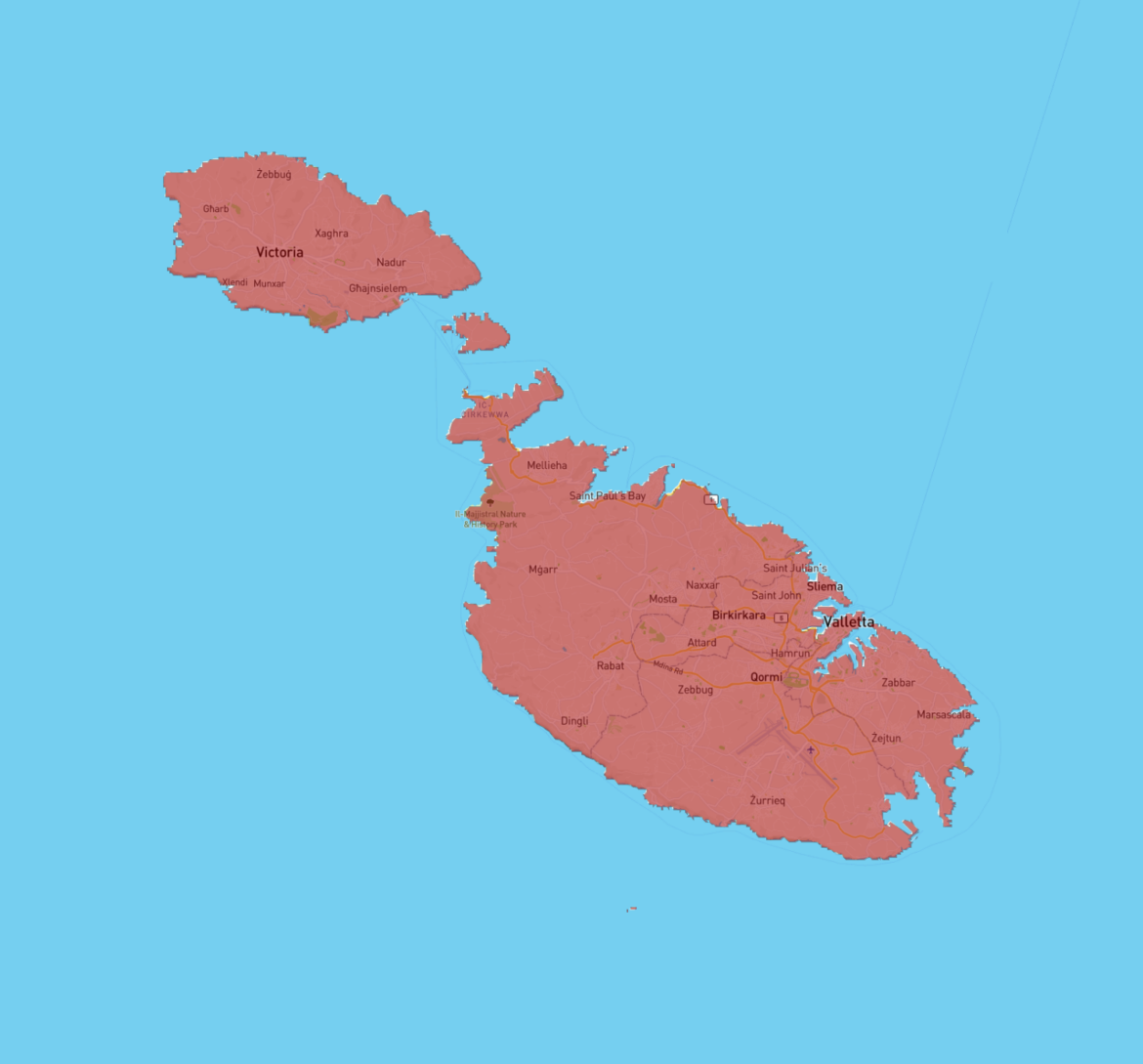
Malta, a small archipelago in the Mediterranean Sea, is increasingly becoming a favoured destination for travellers worldwide due to its rich history, vibrant culture, and stunning geographical features. With a perfect blend of historical sites, picturesque coastlines, and a welcoming climate, Malta is a pivotal location not only for leisure but also for investment, education, and tourism. Its strategic location between Europe and North Africa adds to its importance as a crossroads of civilisations.
Historical Significance
Malta’s history spans over 7,000 years, featuring a diverse blend of influences from the Phoenicians, Romans, Knights of St. John, French, and British. Notable landmarks include the megalithic temples, which are among the oldest free-standing structures in the world, and the historic capital, Valletta, a UNESCO World Heritage Site. The fortress city is renowned for its spectacular Baroque architecture and significant events like the Great Siege of 1565 and World War II, which shaped the island’s identity.
Cultural Scene
The Maltese culture is a rich tapestry woven from its diverse history, language, and traditions. Maltese is the national language, and English is widely spoken, making it accessible to international visitors. The country celebrates a multitude of festivals throughout the year, including the well-known Carnival in Valletta, which showcases vibrant parades and local traditions. The food scene is also a highlight, with Mediterranean influences reflected in its cuisine, notably dishes like rabbit stew and pastizzi.
Natural Beauty and Outdoor Activities
Beyond its historical allure, Malta offers breathtaking landscapes, with stunning cliffs, crystal-clear waters, and charming beaches. The Blue Lagoon, located on the island of Comino, is particularly famous for its turquoise waters and scenic views. Outdoor enthusiasts can enjoy activities such as diving, hiking, and sailing, exploring the natural beauty that the islands offer. The climate is Mediterranean, with mild winters and hot summers, making it suitable for year-round tourism.
Conclusion
As Malta continues to grow in popularity among global travellers, it stands out not just as a tourist destination but as a promising site for investment and business opportunities. The government’s efforts to enhance infrastructure and promote the islands as an educational hub add to its allure. With its rich history, captivating culture, and stunning landscapes, Malta is more than just a dot on the map; it is a destination waiting to be explored by those seeking both adventure and relaxation in an enchanting setting.