Before the Semi-Final
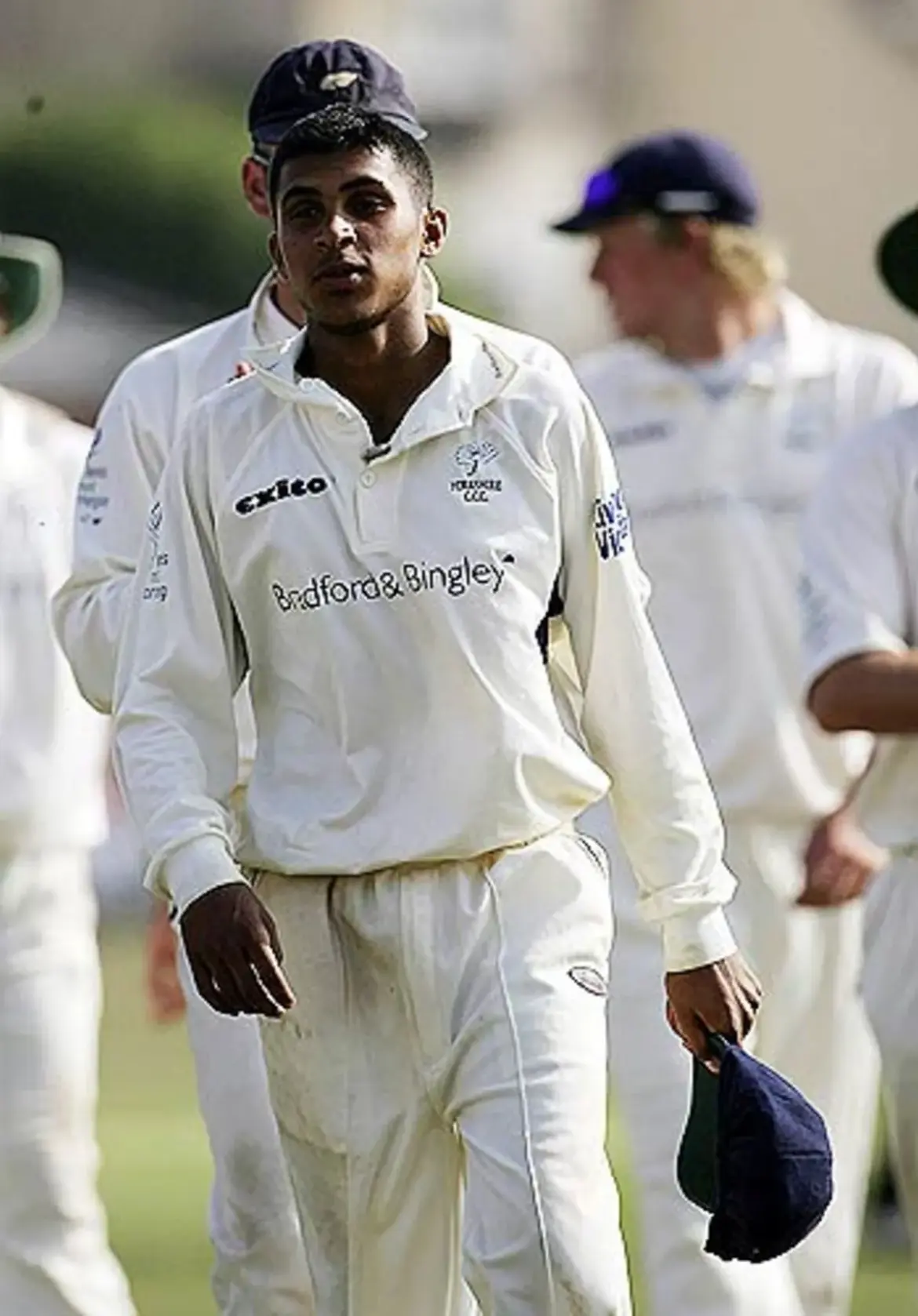
Adil Rashid entered the T20 World Cup as a seasoned bowler, known for his wicket-taking ability. Prior to the semi-final against India, he had already made a name for himself, becoming the joint leading wicket-taker in the tournament with 13 wickets.
Decisive Moments
During the semi-final held at Wankhede Stadium in Mumbai on March 5, 2026, Rashid’s performance was pivotal. He took 2 wickets for 41 runs in his 4 overs, including the crucial dismissal of Suryakumar Yadav, who was stumped by wicketkeeper Jos Buttler. This performance not only highlighted Rashid’s skill but also contributed to his standing as the joint-second most wicket-taker in the history of the ICC Men’s T20 World Cup, with a total of 44 wickets.
Immediate Effects
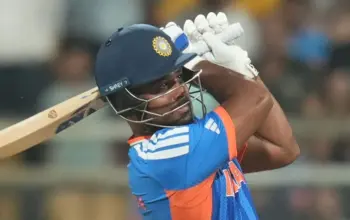
Despite Rashid’s efforts, England faced a challenging match as India scored a formidable 253 runs. Sanju Samson was a standout performer for India, scoring 89 runs off just 42 balls. The high-scoring nature of the game put immense pressure on the English bowlers, including Rashid, who had to contend with a relentless batting lineup.
Expert Perspectives
Rashid’s achievement of becoming the first international bowler to concede 200 sixes in T20Is, reached in his 137th T20I innings, adds a layer of complexity to his career statistics. While this milestone may raise eyebrows, it also underscores the aggressive nature of modern T20 cricket, where high scores and big hits are increasingly common.
Looking Ahead
The outcome of the semi-final will determine who faces New Zealand in the final, adding further stakes to Rashid’s performance. As the tournament progresses, Rashid’s role as a leading wicket-taker will be closely monitored, particularly in high-pressure situations like the semi-final against India.
Details remain unconfirmed regarding the final matchups, but Rashid’s contributions to the tournament have certainly made an impact on England’s campaign.