Recent Developments in Azerbaijan-Iran Relations
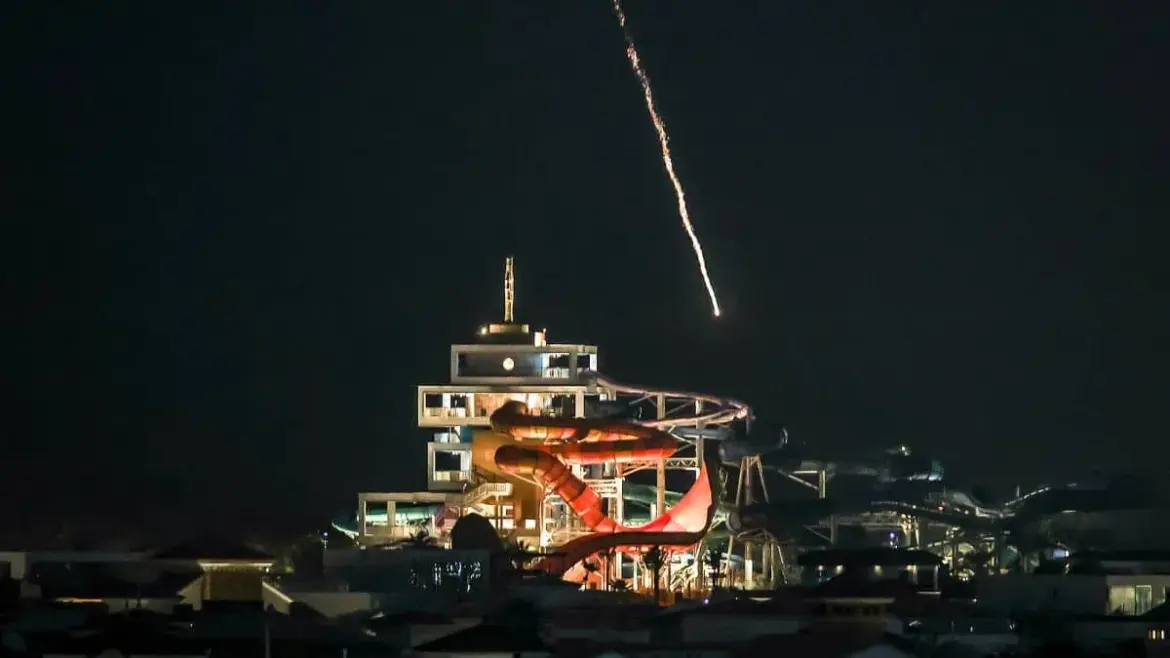
On March 5, 2026, tensions between Azerbaijan and Iran escalated significantly when Azerbaijan accused Iran of carrying out a drone attack on its territory. The incident occurred in the Nakhchivan Autonomous Republic, a region that is geographically separated from the rest of Azerbaijan by a distance of approximately 40 kilometers. This attack resulted in injuries to four civilians and damage to an airport building, marking a serious breach of Azerbaijan’s sovereignty.
Azerbaijan’s Response
In response to the drone attack, Azerbaijan’s Foreign Ministry lodged an official protest with the Iranian embassy, condemning the act as a “groundless act of terror and aggression,” as stated by President Ilham Aliyev. The Azerbaijani government has demanded that Iran provide an explanation and take measures to prevent future incidents. Furthermore, Azerbaijan’s military has been instructed to prepare and implement retaliatory measures, indicating a readiness to respond to any further provocations.
Iran’s Denial and Regional Implications
Iran’s general staff has denied launching a drone toward Azerbaijan’s territory, which adds a layer of complexity to the situation. Azerbaijan’s Foreign Ministry has asserted that Iran’s actions contradict international law and contribute to increased tension in the region. The geographical context is crucial, as Nakhchivan accounts for about 6% of Azerbaijan’s territory and is bordered by Iran for nearly 700 kilometers.
International Reactions
The situation has drawn international attention, particularly from Turkey, which has expressed support for Azerbaijan. Turkish President Recep Tayyip Erdogan condemned the Iranian drone attack, reinforcing the close military and economic ties between Azerbaijan and Turkey. Additionally, Azerbaijan has developed relationships with Israel and the United States, further isolating Iran in the South Caucasus region.
Current State of Affairs
As of now, Azerbaijan has halted truck traffic across its extensive border with Iran, a significant move that may impact trade and diplomatic relations. The Azerbaijani government is firm in its stance, with President Aliyev emphasizing that the country will not tolerate such acts of aggression. The demand for accountability from Iran includes a call for an apology and criminal liability for those responsible for the attack.
Significance of the Incident
This sequence of events is critical for both Azerbaijan and Iran, as it highlights the fragile nature of their relationship and the potential for further conflict. The incident not only affects bilateral relations but also has broader implications for regional stability, particularly given the involvement of other nations like Turkey and Israel. The ongoing tensions could lead to a reevaluation of alliances and security strategies in the region.
Looking Ahead
Details remain unconfirmed regarding the next steps both nations will take in the wake of this incident. The international community is likely to monitor the situation closely, as any escalation could have far-reaching consequences for the South Caucasus and beyond. Azerbaijan’s assertive response signals a shift in its foreign policy, potentially leading to a more militarized stance in the face of perceived threats.