Gold Rates Surge Amid Ongoing Tensions
The ongoing tensions in the Middle East have significantly influenced gold and silver prices. As the conflict between Israel and Iran escalates, investors are increasingly turning to gold as a safe haven asset. On March 6, gold gained $104 per troy ounce on Comex, reaching a high of $5,182 per ounce. This surge reflects the market’s response to the geopolitical instability that has characterized the region in recent weeks.
In addition to the geopolitical factors, economic indicators from the United States have also played a crucial role in shaping gold rates. The US economy reported a loss of 92,000 jobs in February, contrary to economists’ expectations of a gain of 50,000 jobs. This disappointing employment data has raised concerns about the stability of the labor market, leading to a rise in gold prices as investors seek refuge from potential economic downturns.
The unemployment rate has also risen to 4.4%, further highlighting the fragility of the US economy. Mary Daly, a prominent economist, remarked, “February’s employment data was disappointing and undermined the notion that the labor market was stabilizing.” Such sentiments have contributed to the perception that gold remains a reliable investment during uncertain economic times.
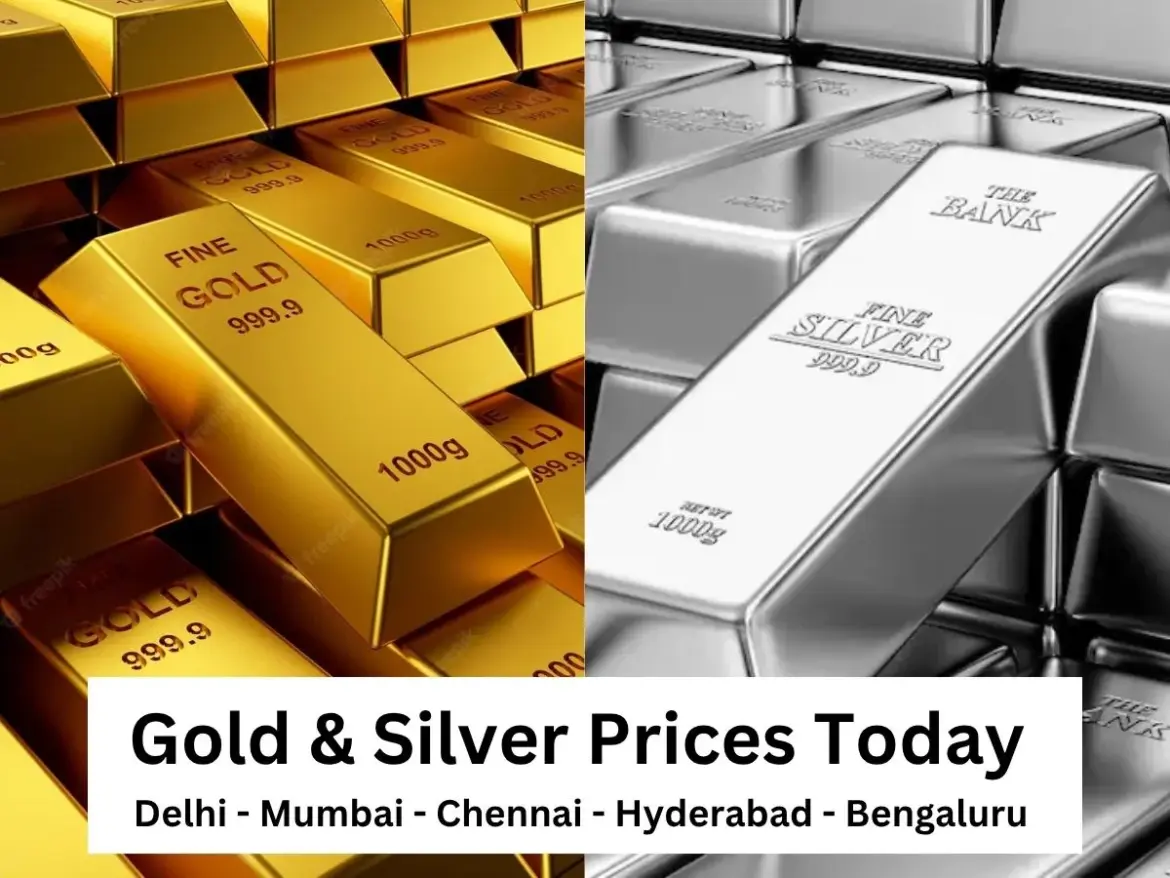
Silver prices have also seen a notable increase, with silver strengthening $3.15 per troy ounce to a high of $85.33. In India, April gold futures on the Multi Commodity Exchange (MCX) jumped ₹2,839 per 10 grams, reaching a high of ₹1,62,512. Similarly, silver May futures advanced ₹8,309 per kilogram to a high of ₹2,70,500. In Delhi, gold prices are currently around ₹163,020 per 10 grams, while silver prices are approximately ₹284,900 per kilogram.
Market analysts suggest that gold is often viewed as a long-term inflation hedge and tends to perform well in low-interest rate environments. With traders pricing in 43 basis points of Federal Reserve rate cuts towards the end of the year, the outlook for gold remains positive. The current geopolitical tensions, coupled with economic uncertainties, are likely to keep gold rates elevated.
As the conflict in the Middle East extends into its seventh day, statements from key figures have further fueled market reactions. Donald Trump stated that there would be “no deal with Iran” unless it agrees to “unconditional surrender.” In contrast, Iranian official Abbas Araghchi asserted that his country had no intention of negotiating and was prepared for a ground invasion. These developments underscore the high stakes involved and the potential for further escalation in the region.
Looking ahead, observers anticipate that gold prices will continue to be influenced by geopolitical tensions, US dollar strength, and interest rates. The interplay of these factors will be crucial in determining the trajectory of gold rates in the coming weeks. As the situation evolves, investors will be closely monitoring developments in the Middle East and their implications for the global economy.