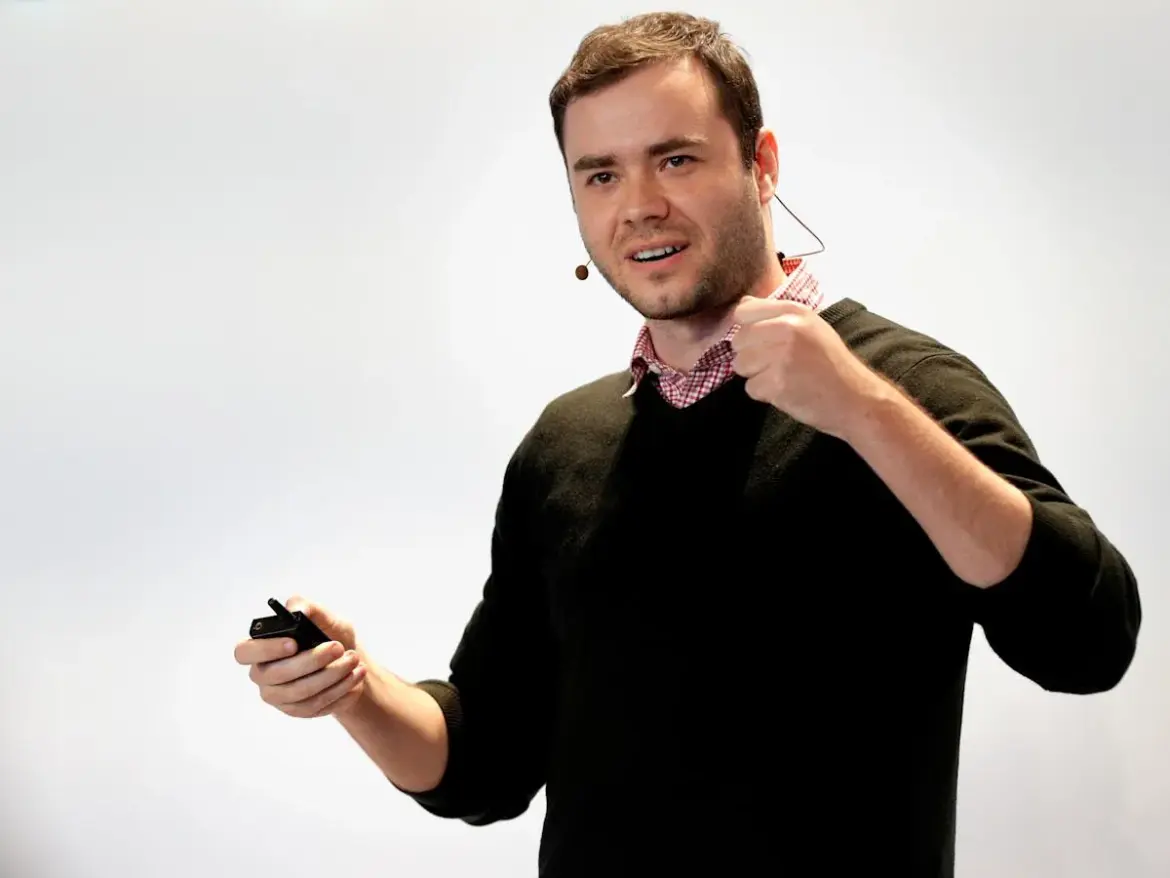
What is the significance of Andrej Karpathy’s contributions to AI in software engineering?
Andrej Karpathy, a prominent figure in the field of artificial intelligence, has raised critical questions regarding the future of software engineering through his innovative approaches and insights. As a founding member of OpenAI and the former director of AI at Tesla, Karpathy has been at the forefront of integrating AI into coding practices. He has noted a significant shift in the software engineering landscape, where AI coding agents are becoming increasingly prevalent.
The Rise of AI-Assisted Coding
Karpathy has coined the term “vibe coding” to describe his evolving coding style, which now consists of approximately 80% AI-generated code and 20% manual coding. This change reflects a broader trend in the industry, where developers are increasingly relying on AI tools to assist in programming tasks. In a recent survey, 84% of developers reported using or planning to use AI-assisted programming, indicating a substantial shift in how software is developed.
Developer Sentiment Towards AI Tools
Despite the growing adoption of AI in coding, there remains a level of skepticism among developers. The same survey revealed that 46% of developers expressed doubts about the accuracy of AI tools, and only 3% reported that they “highly trust” AI-generated output. This skepticism highlights the need for ongoing improvements in AI technology and the importance of transparency in AI-generated code.
Karpathy’s Observations on AI’s Impact
Karpathy has observed a “phase shift” in software engineering, attributing this change to the advancements made by AI coding agents. He remarked, “AI coding agents crossed some kind of threshold of coherence around December 2025 and caused a phase shift in software engineering.” This statement underscores the transformative potential of AI in reshaping traditional coding practices.
The Emergence of New Tools
As AI continues to evolve, new tools are emerging to meet the demands of developers. For instance, Gavriel Cohen launched NanoClaw, a security-oriented alternative to OpenClaw, which has gained significant traction with 18,000 stars on GitHub. Such tools are indicative of the growing reliance on AI in software development and the need for secure coding practices.
Karpathy’s Personal Experience with AI Coding
Reflecting on his own experiences, Karpathy stated, “I really am mostly programming in English now, a bit sheepishly telling the LLM what code to write… in words.” This highlights the shift in how developers interact with coding languages, moving towards a more conversational approach with AI systems. He also noted, “I’ve already noticed that I am slowly starting to atrophy my ability to write code manually,” emphasizing the profound impact AI is having on traditional coding skills.
The Future of AI in Software Engineering
As the integration of AI in software engineering continues to grow, the implications for the industry are significant. While many developers embrace the efficiency and capabilities that AI tools offer, the concerns regarding accuracy and trust in AI-generated code remain. The future will likely see ongoing discussions about the balance between human expertise and AI assistance in coding practices.
Details remain unconfirmed regarding the full extent of AI’s impact on the software engineering landscape, but the trends observed by Karpathy and others suggest a transformative era ahead for developers and the tools they use.