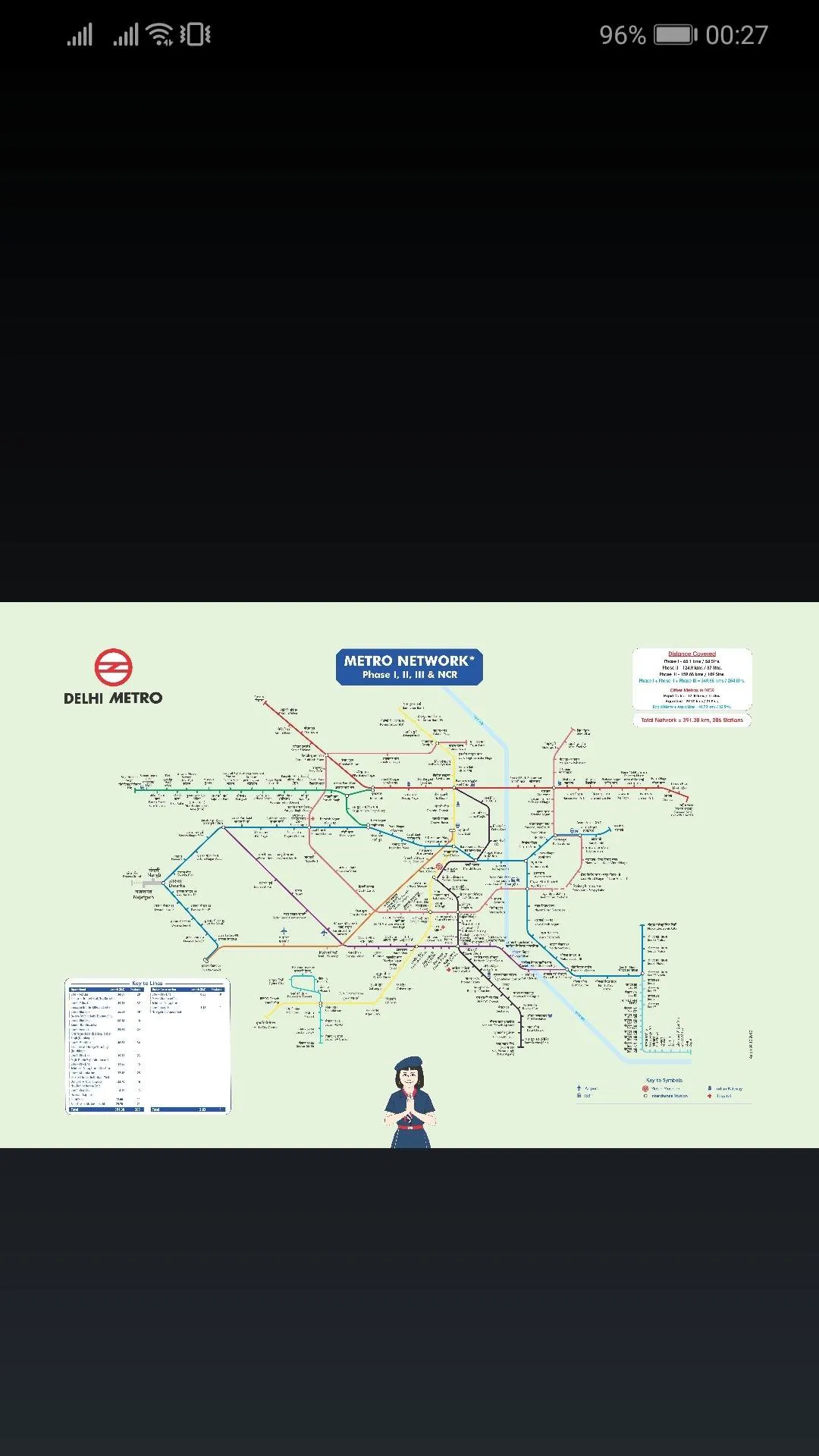
Before the Expansion
Prior to the latest developments, the Delhi Metro had already established itself as a crucial component of urban transport in the capital. With a network stretching approximately 1,100 kilometers, it served as a lifeline for millions of commuters. However, the system faced challenges in accommodating the growing population and the increasing demand for efficient public transport. The length of the metro network was significantly shorter before 2013-14, measuring only 245 kilometers. This limited capacity often resulted in overcrowding during peak hours, leading to longer travel times and commuter dissatisfaction.
Decisive Changes
The landscape of the Delhi Metro changed dramatically with the inauguration of two new corridors by Prime Minister Narendra Modi. The Majlis Park-Maujpur Babarpur corridor, measuring approximately 12.3 kilometers, and the Deepali Chowk-Majlis Park corridor, at about 9.9 kilometers, were introduced as part of an ambitious expansion plan. This expansion is part of Phase 5-A of the Delhi Metro, which includes three new corridors aimed at improving connectivity for residents traveling between Noida, South Delhi, and the airport. The total investment for these projects is around Rs 33,500 crore, with Rs 18,300 crore allocated specifically for the two new corridors.
Immediate Effects
The immediate effects of this expansion are profound. Commuters can now expect reduced travel times and increased convenience, as the new corridors significantly enhance connectivity across the city. Housing and Urban Affairs Minister Manohar Lal emphasized the importance of the metro rail, stating, “Metro rail has become the lifeline of Delhi and is helping commuters to save considerable travel time.” This improvement is expected to alleviate congestion on the roads and provide a reliable alternative for daily commuters.
Expert Perspectives
Experts have noted that these new metro corridors are not only significant from a transportation standpoint but also represent engineering achievements. Delhi Chief Minister Rekha Gupta remarked, “These metro corridors are also significant achievements from an engineering perspective.” The expansion is part of a broader government initiative to modernize urban infrastructure, including a redevelopment plan that will provide over 9,350 modern flats for government employees.
Broader Implications
Furthermore, the projects include a new bridge across the Yamuna River and a double-decker viaduct, which are expected to further enhance the urban landscape. Prime Minister Modi highlighted the government’s commitment to improving urban infrastructure, stating, “India is scripting a new chapter in women empowerment and they are playing an important role in the country’s development.” This statement underscores the broader social implications of improved public transport, particularly for women who rely on safe and efficient commuting options.
Future Prospects
The expansion of the Delhi Metro is indicative of a larger trend towards modernizing urban transport systems across India. As the metro network continues to grow, it is expected to reach approximately 71.56 kilometers with the new sections, further integrating various parts of the city. The ambitious plans aim to create a self-sustainable financial model for the metro projects, ensuring long-term viability and continued improvements in public transport.
In summary, the recent developments in the Delhi Metro reflect a significant shift in urban transport dynamics in New Delhi. With substantial investments and a focus on connectivity, the metro is poised to play an even more vital role in the lives of commuters, contributing to the overall modernization of the city’s infrastructure.