The Evolution of Horror Movies: From Real-Life Inspirations to Iconic Characters
Horror movies have captivated audiences for decades, often drawing inspiration from real-life events that amplify their chilling narratives. Notable figures in the genre, such as Alfred Hitchcock and Wes Craven, have created films that not only entertain but also reflect deeper societal fears. For instance, Hitchcock’s film ‘The Birds’ was inspired by a real incident involving sooty shearwaters attacking people in California, showcasing how reality can blur the lines of fiction.
Another significant influence on horror cinema is the infamous Charles Manson and the tragic events surrounding his cult. The film ‘I Drink Your Blood’ was notably influenced by the Manson Family murders, illustrating how true crime can serve as a backdrop for horror storytelling. Similarly, ‘The Strangers’ is marketed as being based on a true story related to these murders, further emphasizing the genre’s connection to real-life terror.
Wes Craven’s iconic film ‘A Nightmare on Elm Street’ also draws from real events, inspired by the death of a Cambodian refugee child who experienced horrific nightmares before his demise. This narrative not only highlights the psychological aspects of fear but also reflects the real struggles of individuals facing trauma. Such stories resonate deeply with audiences, making the horror genre a powerful medium for exploring human emotions.
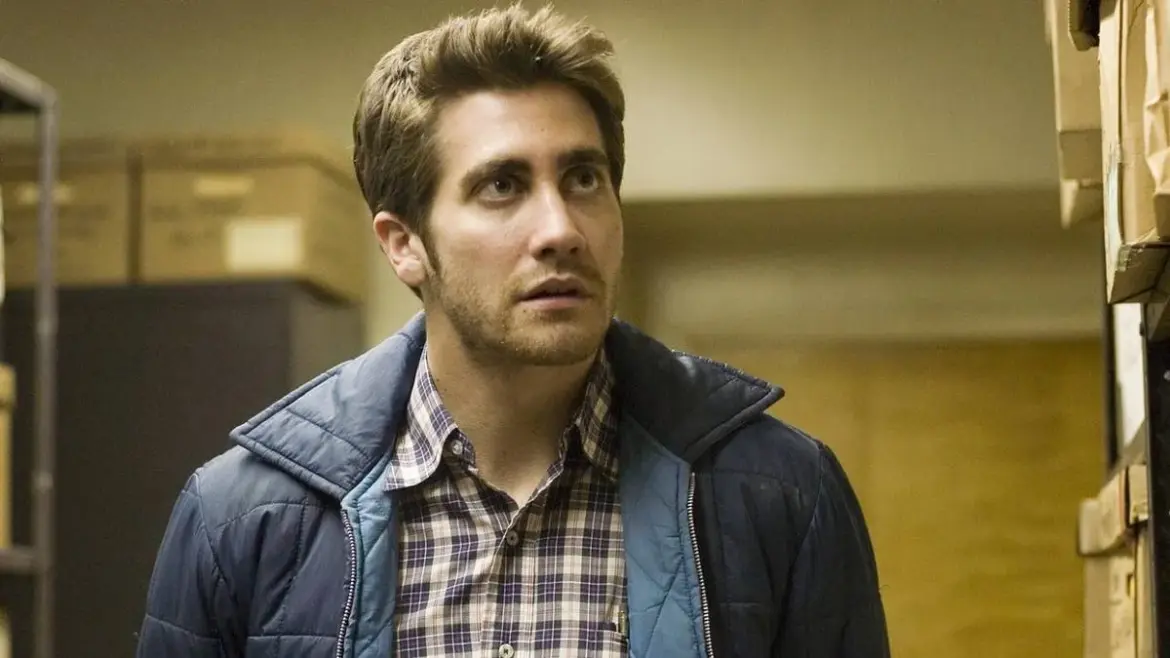
In addition to these inspirations, horror movies often feature iconic characters that have become synonymous with the genre. The Zodiac Killer, a notorious serial killer who murdered five people in the San Francisco Bay Area between 1968 and 1969, has been depicted in various films, including ‘Zodiac’, directed by David Fincher. This film approached the Zodiac Killer case with empathy for the victims, showcasing a more nuanced perspective on horror.
Characters like Ghostface from the ‘Scream’ franchise and Freddy Krueger from ‘A Nightmare on Elm Street’ have become cultural icons, representing the fears and anxieties of their respective eras. These characters not only entertain but also serve as reflections of societal issues, making them enduring figures in horror cinema.
Stephen King’s contributions to the genre cannot be overlooked, with his works often adapted into films that explore the darker sides of human nature. His novel ‘Desperation’ was adapted into a film featuring Ron Perlman as a mass-murdering sheriff, further illustrating how horror movies can delve into the complexities of evil and morality.
As horror movies continue to evolve, they remain a mirror to society, reflecting emotional realities and fears that resonate with audiences. The recent release of ‘Scary Movie 6’, which parodies popular horror films from the last decade, including ‘Get Out’ and ‘M3GAN’, highlights the genre’s ability to adapt and comment on contemporary issues.
While the horror genre has its roots in real-life events and societal fears, it also serves as a platform for creative storytelling. As filmmakers draw from history and current events, the impact of these narratives continues to shape the landscape of horror movies, ensuring that they remain relevant and thought-provoking. Details remain unconfirmed regarding future developments in the genre, but the connection between horror films and real-life inspirations is undeniable.