Background of the Conflict
The conflict between Israel and Iran has intensified, expanding its reach into the Gulf region, Lebanon, and Iraq. This escalation follows a series of provocations and retaliatory actions that have drawn in multiple regional and global powers, including the United States. The situation has become increasingly volatile, with both sides engaging in military operations that threaten to destabilize the entire region.
Recent Developments
On March 8, 2026, the conflict saw a significant escalation as the United States and Israel launched large-scale strikes on Iran, targeting critical infrastructure such as oil storage depots and refining facilities. Since the onset of these attacks on February 28, at least 1,332 people have been reported killed, highlighting the severe human cost of this ongoing conflict.
Casualties and Humanitarian Concerns
The strikes have not only resulted in military casualties but have also raised serious humanitarian concerns. A recent attack on a primary school in southern Iran resulted in the deaths of at least 160 people, prompting Human Rights Watch to call for an investigation into what they describe as a potential war crime. The death toll from Iran’s retaliatory attacks on the United Arab Emirates has also risen to four, further complicating the humanitarian situation.
Military Responses and Threats
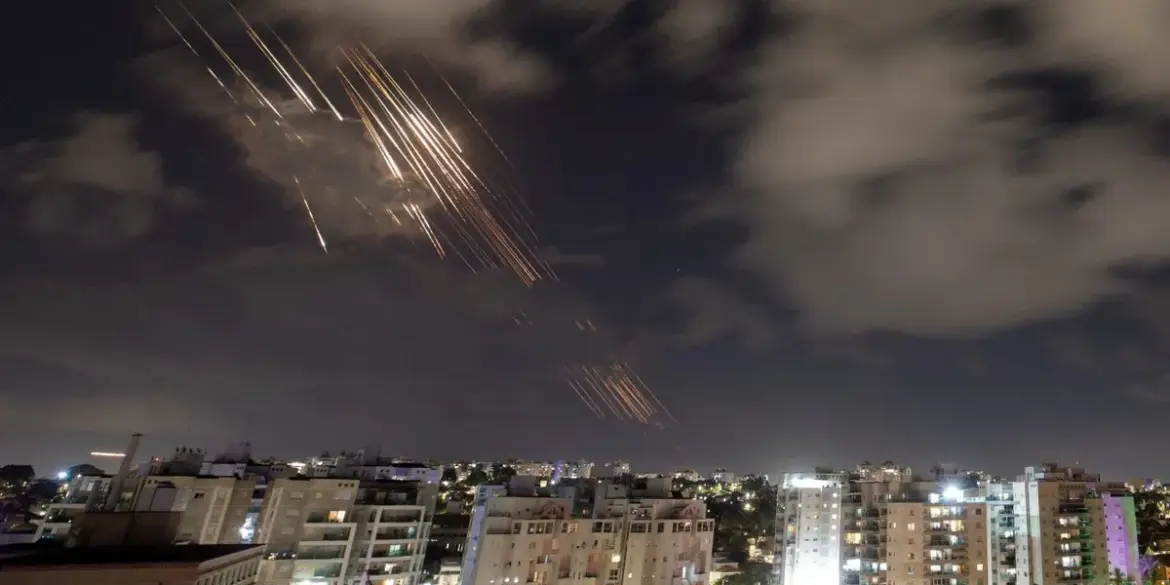
In response to the escalating violence, Iran’s military has confirmed that the Strait of Hormuz remains open but has vowed to target any US or Israeli ships attempting to navigate through this critical waterway. Additionally, the Israeli military reported that Iran launched several missiles towards Israel, triggering air raid sirens in southern Israel. The conflict has also seen the first Israeli troop deaths since fighting resumed with Hezbollah, with two Israeli soldiers killed in combat in southern Lebanon.
Statements from Key Leaders
US President Donald Trump commented on the situation, stating that the war would continue for “a little while” and that it was going “unbelievably good” for the US military. Meanwhile, US Defense Secretary Pete Hegseth issued a stark warning to Iran, asserting that the United States would hunt down and kill those who threaten Americans, emphasizing the seriousness of the US commitment to its allies in the region.
The Gulf Cooperation Council (GCC) has condemned Iran’s continued attacks against Bahrain and Kuwait, labeling them as “dangerous acts of aggression.” This reflects a broader concern among regional powers regarding Iran’s military ambitions and the potential for further destabilization in the Gulf region. Observers note that the situation is precarious, with the potential for wider conflict looming.
Impact on Global Markets
The ongoing conflict has had significant repercussions on global markets, particularly in the oil sector. Oil prices have surged to multiyear highs, with Brent crude oil prices climbing 27 percent in just one week. This spike is attributed to fears of supply disruptions stemming from the conflict, which could have far-reaching economic implications beyond the immediate region.
Looking Ahead
As the situation continues to evolve, the international community watches closely. Observers and officials are concerned about the potential for further escalation, which could draw in additional countries and lead to a broader regional conflict. The complexities of the Israel-Iran conflict, coupled with the involvement of various state and non-state actors, make the path forward uncertain. Details remain unconfirmed regarding future military actions and diplomatic efforts to de-escalate the situation.