Recent Developments
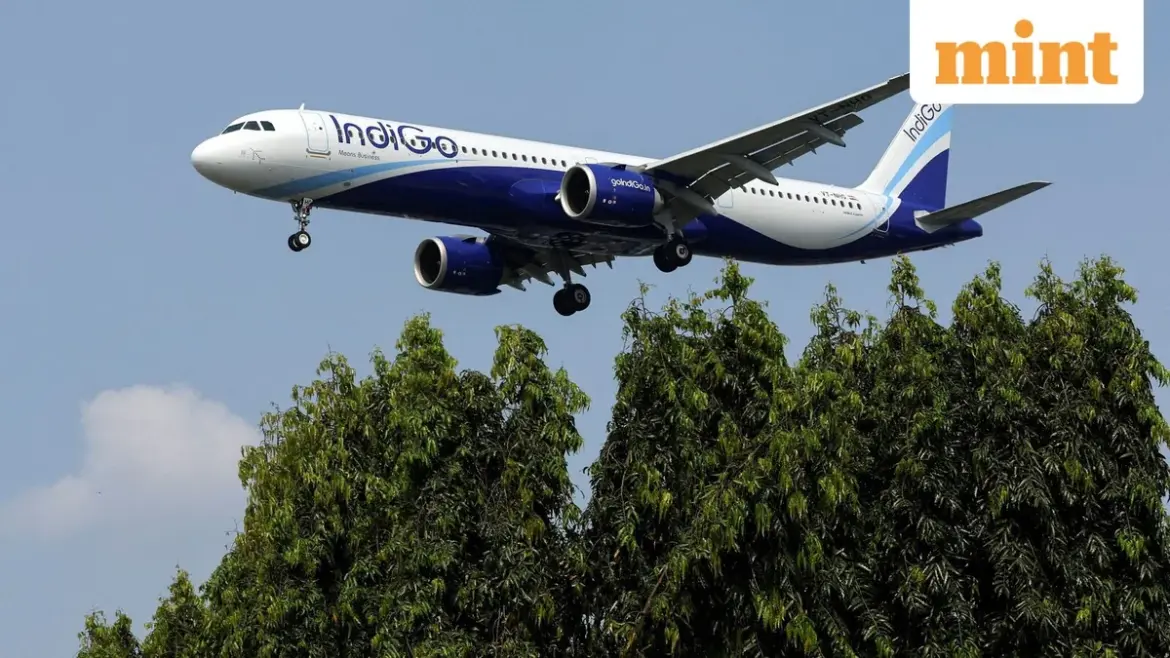
On March 9, 2026, IndiGo’s share price experienced a notable decline, crashing 8% to ₹4,045 per share. This drop marks a continuation of a troubling trend for the airline, which has seen its stock fall over 11% so far in March 2026. The decline is compounded by a series of operational challenges and external economic factors that have put pressure on the airline’s financial performance.
Impact of Rising Crude Oil Prices
One of the primary drivers behind the decline in IndiGo’s share price is the surge in crude oil prices, which recently surpassed $100 a barrel, reaching a 52-week high. Given that IndiGo is particularly sensitive to fluctuations in crude oil prices due to its relatively limited hedging strategy, this increase poses a significant threat to its profitability. Analysts estimate that every $5 increase in Brent crude prices will reduce IndiGo’s earnings by approximately 13%.
Operational Challenges
In addition to rising fuel costs, IndiGo has faced operational disruptions related to geopolitical tensions in the Middle East. The airline announced the suspension of flights to and from this region, leading to the cancellation of more than 500 flights between February 28 and March 3, 2026. This decision was made in light of evolving airspace restrictions and the potential risks associated with operating in a volatile environment.
Stock Performance Overview
IndiGo’s stock opened at ₹4,150 on March 9, 2026, but quickly fell to its 52-week low of ₹4,035 later that day. Over the past month, the airline’s shares have declined approximately 18%, and they are down about 20% year-to-date. This stark contrast to the airline’s performance in the previous year, where it hit a 52-week high of ₹6,232.50 on August 18, 2025, underscores the challenges currently facing the company.
Market analysts have expressed concerns regarding the potential long-term implications of these developments. JM Financial noted that a swift de-escalation in geopolitical tensions could lead to a normalization of operations and bookings. However, they also cautioned that a prolonged disruption could result in capacity rationalization, margin compression, and downgrades in earnings estimates. Emkay Global highlighted that despite the current challenges, IndiGo’s operating metrics for January and February 2026 were broadly in line with or slightly ahead of expectations.
Looking Ahead
The current state of IndiGo’s share price and its operational challenges highlight the precarious position of the airline in a rapidly changing economic landscape. Investors and stakeholders are closely monitoring the situation, as the airline’s ability to navigate these challenges will be crucial for its future performance. The ongoing fluctuations in crude oil prices and geopolitical tensions will likely continue to influence IndiGo’s operations and financial health in the coming months.
As IndiGo grapples with the dual pressures of rising fuel costs and operational disruptions, the implications for its share price and overall market position remain significant. The airline’s historical performance as a multibagger stock, with returns of 119% over three years and 142% over five years, may be overshadowed by these recent developments if the situation does not improve.