What is causing the recent spike in temperatures across Maharashtra?
The recent surge in temperatures across Maharashtra, particularly in cities like Mumbai, Solapur, Kolhapur, Sangli, Satara, and Mahabaleshwar, raises an urgent question: Why are temperatures reaching alarming levels earlier than usual? As of now, Mumbai has recorded temperatures reaching 40°C, while Solapur has seen a maximum temperature soar to 40.3°C.
Temperature Records and Health Implications
Other cities are also experiencing significant temperature increases, with Kolhapur recording a maximum of 37.1°C, Sangli at 38.2°C, Satara at 37.3°C, and Mahabaleshwar at 30.7°C. This rise is notably earlier than typical for March, leading to a concerning trend of heat-related health issues. Dr. Aditya Bari, a local health expert, noted, “Normally we start seeing heat-related patients after mid-April or towards the end of April and May. But this time we are seeing them in the first half of March itself, which is definitely earlier than usual.”
Impact on Daily Life and Health Services
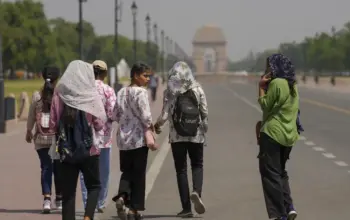
The rising temperatures are not just a matter of discomfort; they are impacting public health significantly. The increase in heat-related ailments has been alarming, with health services reporting a surge in cases. Mukesh Raut, a resident of the region, expressed, “It feels like a heatwave in the daytime in just the second week of March.” This sentiment reflects the discomfort and health risks posed by the current weather conditions.
Comparative Temperature Analysis
In Solapur, the temperature has increased by 3.4°C compared to the previous day, while Kolhapur has seen a rise of 2.1°C. Such rapid fluctuations in temperature can lead to a variety of health issues, including heat exhaustion and heatstroke, especially among vulnerable populations.
Underlying Causes of Temperature Rise
The increase in temperatures is attributed to several factors, including climate change and urbanization, which exacerbate heat retention in urban areas. As cities expand and develop, the natural landscape is altered, often leading to higher temperatures. This trend is particularly concerning as it coincides with a rise in viral infections and other health-related issues.
Looking Ahead: What is Next?
As Maharashtra continues to experience these high temperatures, it remains to be seen how local authorities will respond to the growing health crisis. Public health campaigns may need to be intensified to educate residents about heat safety and prevention strategies. Details remain unconfirmed regarding any specific measures that may be implemented in response to this rising trend.
The current temperature trends in Maharashtra serve as a stark reminder of the ongoing challenges posed by climate change and its impact on public health. As temperatures continue to rise, the need for effective public health strategies becomes increasingly urgent.