Recent Developments
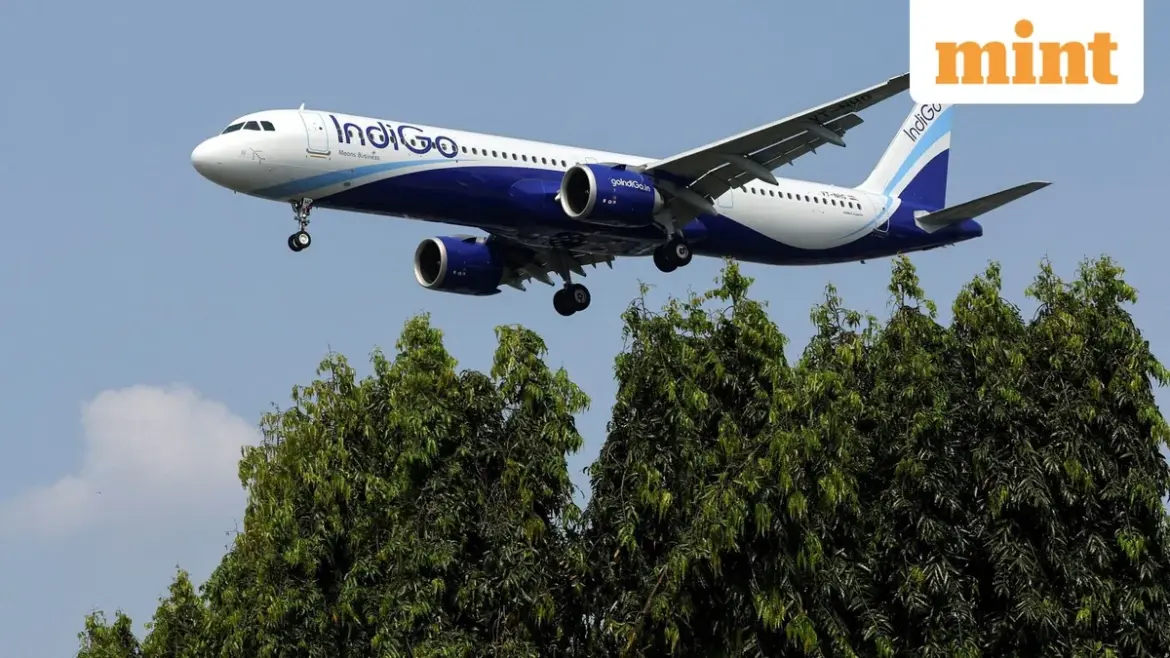
On March 9, 2026, IndiGo’s share price experienced a notable decline, crashing 8% to ₹4,045 per share. This drop marks a significant moment for the airline, which has seen its stock fall over 11% in the month of March alone. The decline comes amidst rising crude oil prices, which have surpassed $100 a barrel, reaching a 52-week high, further straining the airline’s operating costs.
Impact of Rising Crude Oil Prices
Fuel costs account for approximately 40% of total operating expenses for airlines, making IndiGo particularly vulnerable to fluctuations in crude oil prices. According to JM Financial, every $5 increase in Brent crude prices is expected to reduce IndiGo’s earnings by around 13%. This financial pressure is compounded by the airline’s limited hedging strategy, which leaves it exposed to market volatility.
Operational Challenges
In addition to rising fuel costs, IndiGo has faced operational challenges due to geopolitical tensions in the Middle East. The airline suspended flights to and from the region, resulting in the cancellation of over 500 flights between February 28 and March 3, 2026. This disruption has raised concerns about the airline’s capacity and profitability in the near future.
Stock Performance Overview
IndiGo’s stock has been on a downward trend, having hit a 52-week high of ₹6,232.50 on August 18, 2025. However, the recent decline has seen the share price reach a 52-week low of ₹4,035 on March 9, 2026. The overall trend indicates a decline of approximately 18% over the past month, reflecting investor concerns regarding the airline’s financial health amid rising operational costs.
Market analysts have expressed mixed sentiments regarding IndiGo’s future. While some reports indicate that the airline’s operating metrics for January and February 2026 were broadly in line with expectations, the ongoing geopolitical issues and rising fuel costs pose significant risks. JM Financial noted that a swift de-escalation in tensions could lead to a normalization of operations and bookings, but prolonged disruptions could result in capacity rationalization and margin compression.
As the situation evolves, stakeholders are closely monitoring the developments surrounding IndiGo’s operations and share price. The airline’s ability to navigate these challenges will be crucial in determining its financial performance in the coming months. Investors are advised to stay informed about the potential impacts of crude oil prices and geopolitical events on the airline’s operations.
The decline in IndiGo’s share price is a reflection of the broader challenges facing the airline industry, particularly in light of rising fuel costs and operational disruptions. As the market reacts to these developments, the future of IndiGo will depend on its ability to adapt to the changing landscape and manage its costs effectively.