Background of the Conflict
The conflict between the US, Israel, and Iran escalated significantly after the US-Israeli strike that killed Iran’s supreme leader Ali Khamenei. This event marked a turning point, leading to heightened military actions and retaliatory strikes from both sides. Following the death of Ali Khamenei, his son, Mojtaba Khamenei, was appointed as the new supreme leader of Iran, further complicating the geopolitical landscape.
Recent Developments
On March 9, 2026, a series of Israeli attacks targeted Iranian oil facilities in Tehran and Alborz, which the Israeli government claimed were being used for military infrastructure. These strikes have raised concerns about the potential negative impact on public health, particularly for vulnerable populations such as children and the elderly. The Iranian authorities reported significant damage to these facilities, which are crucial for the country’s economy.
Reactions and Statements
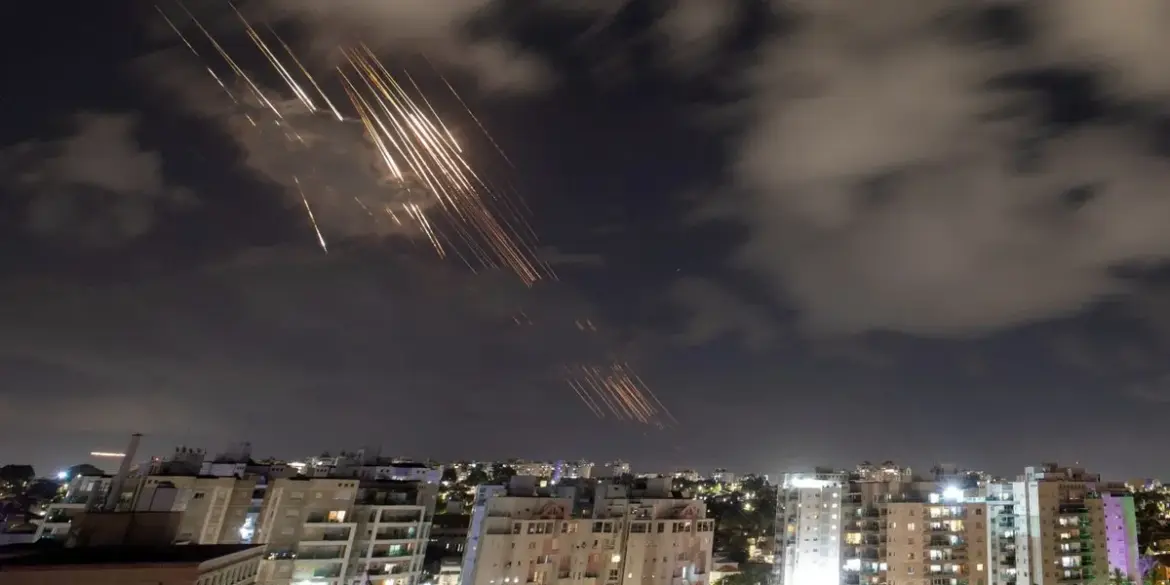
In response to the Israeli attacks, Iran launched missiles and drones at various targets across the Middle East, escalating the conflict further. Donald Trump, the former US president, commented on the situation, stating, “Iran was going to destroy Israel and everything else around it… We’ve worked together. We’ve destroyed a country that wanted to destroy Israel.” His remarks reflect a broader sentiment among US and Israeli officials who have vowed to continue military actions against Iran despite international concerns.
Casualties and Humanitarian Impact
The ongoing conflict has resulted in significant casualties. Reports indicate that 1,230 people have been killed in Iran, along with 397 in Lebanon and 11 in Israel. Additionally, around 700,000 people have been displaced in Lebanon, including 200,000 children. The humanitarian impact of these military actions is profound, with organizations like Amnesty International expressing concern over the civilian toll and the potential for toxic substances to harm non-combatants.
International Concerns
Agnes Callamard, a representative from Amnesty International, highlighted the risks associated with the attacks, stating, “The incidental harm to civilians, including the release of toxic substance, appears to indicate that too little precautions were taken and that the incidental harm to civilians is disproportionate.” This statement underscores the growing apprehension among international observers regarding the conduct of military operations in the region.
Future Implications
As the conflict continues to escalate, the potential for further military engagements remains high. The US and Israeli governments have indicated their commitment to ongoing attacks on Iran, which could lead to a broader regional conflict. Observers are closely monitoring the situation, with many fearing that the cycle of retaliation may spiral out of control.
The Israel Iran attack marks a significant escalation in an already volatile situation. With rising casualties and international concern over humanitarian impacts, the future of the conflict remains uncertain. As both sides prepare for potential further confrontations, the implications for regional stability are profound.